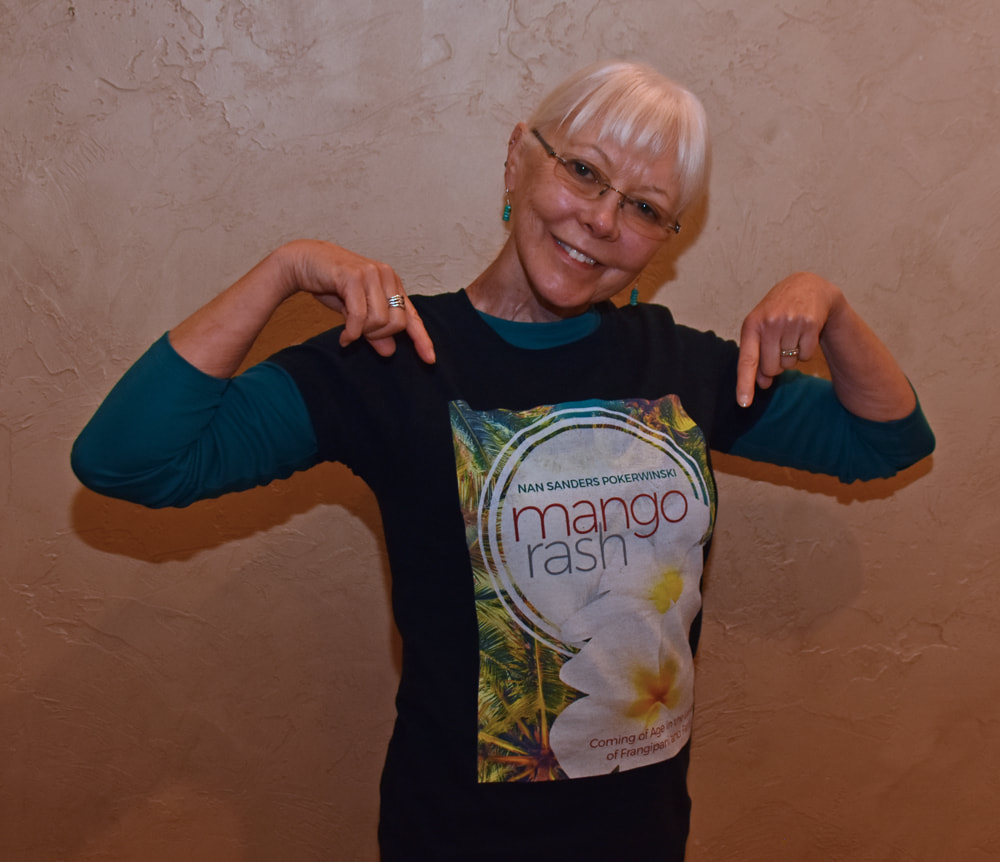
 In case you haven’t noticed, I have a book coming out next week. But how could you not notice? I’ve been hyping it on social media, in a monthly newsletter, and every other way I can think of. And let me tell you, it feels strange to be doing that. Of course I’m thrilled that my memoir, Mango Rash: Coming of Age in the Land of Frangipani and Fanta, (see what I just did there?) is being published, and of course I want to tell the world about it. But the transition from writer to author to book promoter is not a natural one. 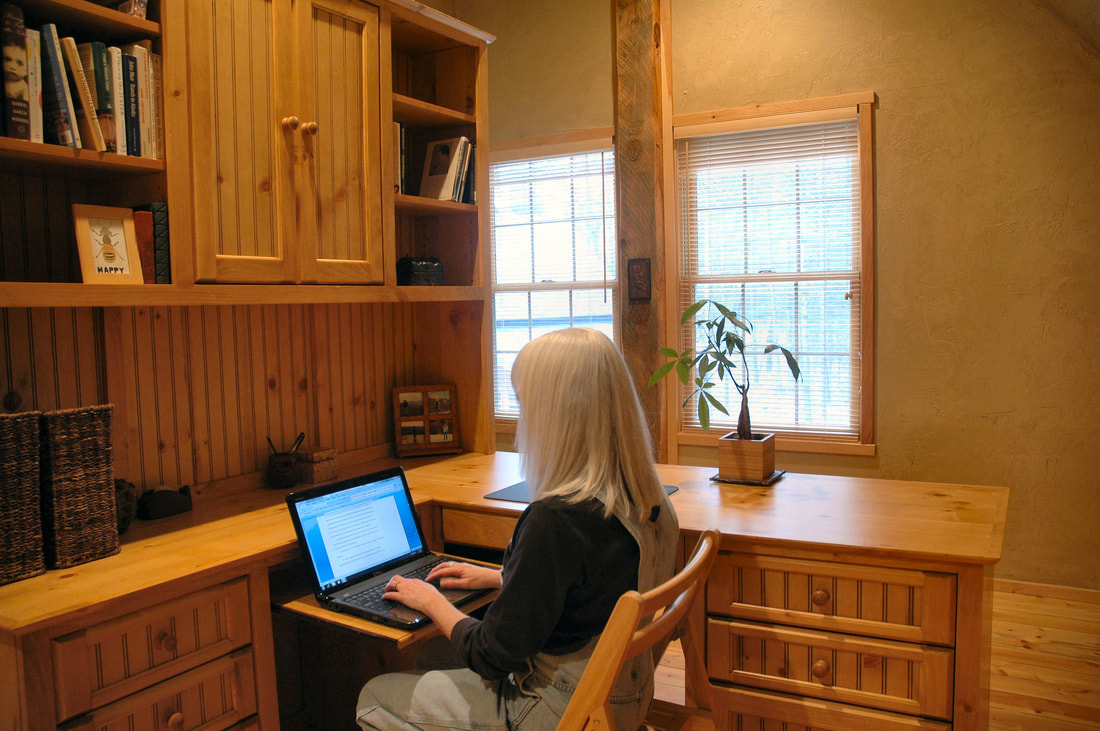 My comfort zone and happy place My comfort zone and happy place We writers tend to be introverts—recluses, even—content to hole up in our writing studios for hours on end, encountering no one except the characters we put on the page. When we venture out into the world, it’s often as observers, absorbing details and mentally recording conversations. If someone asks what we’re working on, we answer in the haziest terms: “Oh, ummmm, a (mumble-mumble) coming-of-age memoir set on a (stutter-stutter) tropical island.” But that all changes once we become authors, or even aspiring authors. Then we have to hone a new set of skills, promoting our books with spiels of various lengths: the logline, the elevator pitch, the face-to-face pitch, the book talk, and so on, not to mention creating web sites, blogs, newsletters, and press kits. 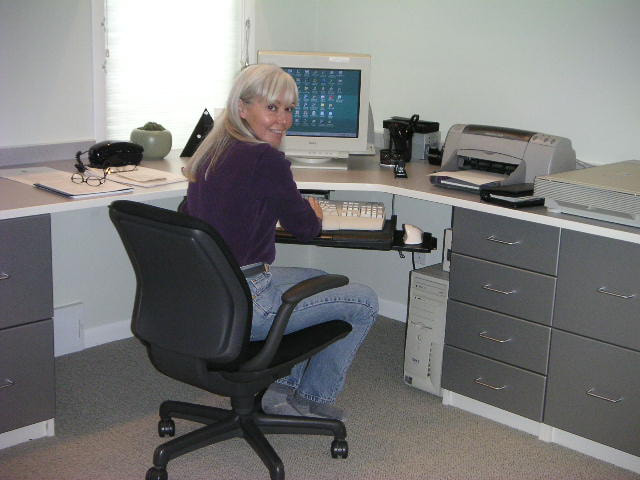 Happy freelancer, pre-flackdom Happy freelancer, pre-flackdom I got a preview of this process when I shifted from being a journalist to working for a university news service some twenty years ago. A big part of my new job was writing about interesting research, just as I’d done as a science journalist. But another big part was promoting that research, in hopes of getting news coverage. In short, I became what we journalists disparagingly called a flack. And that, at first, felt icky. Just now I looked up synonyms for “flack” and among the results was “pain in the neck.” That’s exactly what I felt like when I had to cold-call journalists—former colleagues among them—and try to convince them to write about the researchers whose work I sought to publicize. Over time, I grew more comfortable in that role, mainly because the research I promoted was so worthwhile, and the scientists whose work it was were so grateful for my efforts, and because even the most jaded journalists appreciated receiving lucid explanations of arcane scientific points. 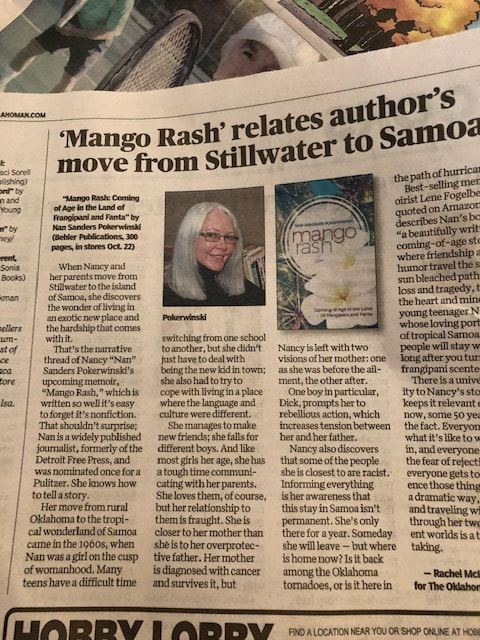 It's a little strange to see my picture in the newspaper . . . It's a little strange to see my picture in the newspaper . . . But now I’m not championing life-changing technological advances or life-saving medical findings or paradigm-shifting discoveries. I’m promoting my own book, a book that’s all about me.  . . . and in event announcements . . . and in event announcements So everything I’m doing—and will be doing for the next several months or longer—feels like nothing short of shameless self-promotion. Never mind that every book and article I’ve read about book publishing and marketing says this is exactly what authors need to do. And never mind that, given my university PR experience, I don’t totally suck at it. In fact I kind of enjoy doing the work—until I remember that it’s ME I’m boosting. Then it feels . . . icky. To counteract the ick, I’ve come up with a few practices that at least make me feel a little less self-absorbed:
4 Comments
I realize it's not the last Wednesday of the month, but I haven't done one of these compilations in quite a while, and I blew right past last month's bonus Wednesday, when I fully intended to post something extra. So I owe you! Besides, I've been finding some good stuff that I really want to share. So here you go . . . We tend to think of consciousness as skin bound, brain tethered. However, in nature we can sense something vaster--and that something larger senses us. And from here our perception and understanding transforms. We start to think from this bigger perspective. -- Mark Coleman, Mindful magazine, April 2019  I'd sooner exchange ideas with the birds on earth than learn to carry on intergalactic communications with some obscure race of humanoids on a satellite planet from the world of Betelgeuse. First things first. -- Edward Abbey, "The First Morning," Desert Solitaire: A Season in the Wilderness  Bees teach us so many lessons. When they take all this nectar from the tree, does that deprive the tree of anything? No, it enhances it. And when you give your time and energy to helping someone, does it deplete your skills? No, it gives you something to be proud of. -- Brother Blaise Heuke, "The Beauty of a Bee," AARP The Magazine,   [W]ith art comes empathy. It allows us to look through some else's eyes and know their strivings and struggles. It expands the moral imagination and makes it impossible to accept the dehumanization of others. When we are without art, we are a diminished people--myopic, unlearned and cruel. -- Dave Eggers, The New York Times, June 29, 2018  Authorship is a solitary business, always coming down to a writer and a blank page, but inevitably it becomes a social act as well, because the book is inextricably part of the world. It finds readers, it begins a conversation, it tells a kind of truth that can't be told in any other way--or else it fails to do that. James Gleick, Authors Guild Bulletin, Spring-Summer 2018  But here's the thing: Humans are not what we do. Humans are everything we do, and feel, and think, with a dash of stardust thrown in. The same is true for writers. -- Lenore Myka, "When to ignore good advice," Poets & Writers magazine, Sept/Oct 2018    For a long time, I was looking for happiness from success. Now I am looking for success from happiness.
-- Kathryn Budig, Yoga Journal, August 2018 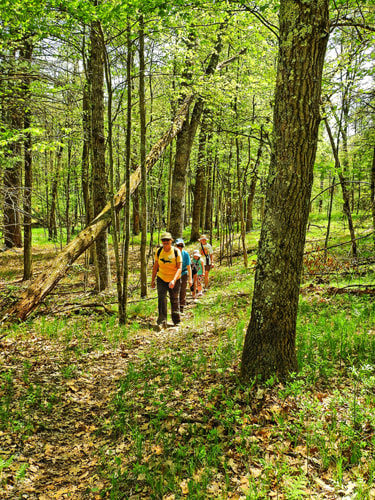 Wander Women on the trail Wander Women on the trail For a few years now, I have closed out most weeks by taking to the trails with the Wander Women, a local hiking group. We walk, and we talk, and we take in the sights and sounds along our woodland paths. But the truth is, we don’t really wander. We have a definite destination and an approximate time frame, from which we rarely deviate. That’s as it should be. We all have post-hike errands to run or appointments to keep or evening engagements to get ready for, so it helps to have an idea just how the day’s hike will fit into all of that. 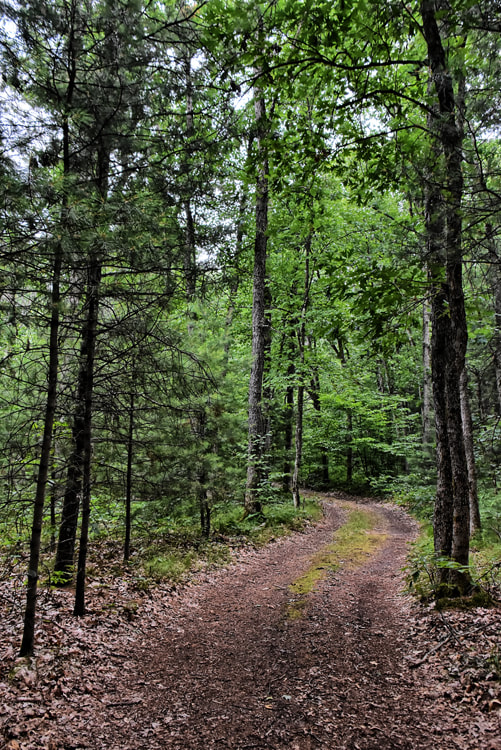 A woodland trail invites aimless idling A woodland trail invites aimless idling Sometimes, though, when I’m on my own in the woods—or on a city street, for that matter—I like to just aimlessly meander. That makes me a flâneur, a word I learned from a lovely article in Mindful magazine. The word has been variously defined as “an aimless idler” and “a passionate wanderer.” I guess I’m a little of both. So, apparently, was Henry David Thoreau, who extolled the virtues of “sauntering” and letting his mind wander along with his feet. 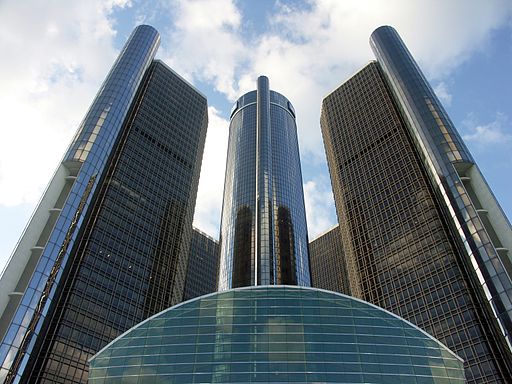 My Detroit ramblings sometimes took me to the Ren Cen My Detroit ramblings sometimes took me to the Ren Cen When I worked in downtown Detroit, I spent most lunch breaks walking, usually with no particular destination in mind. I might end up strolling by the Detroit River or losing myself in the Ren Cen’s maze of hallways and catwalks or exploring Greektown or Harmonie Park or Washington Boulevard. Wherever I roamed, I always came back to the office refreshed and ready to work for the rest of the day. 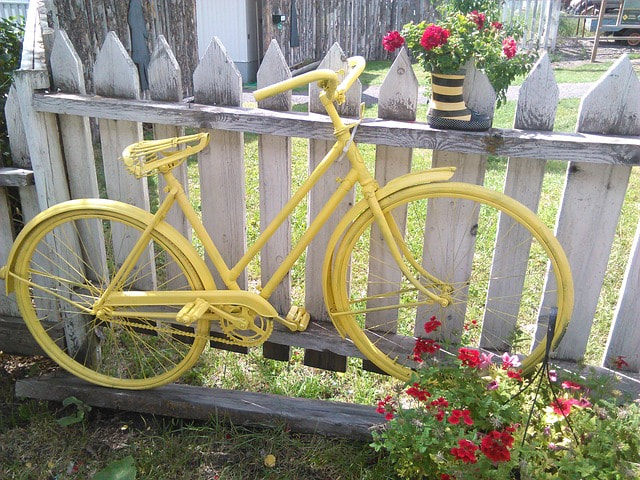 Funky yard art -- always inspiring Funky yard art -- always inspiring Later, when I worked in Ann Arbor, my lunchtime walks took me into various neighborhoods, where I found inspiration in the creatively-designed gardens, quirky houses, and funky yard art I passed along the way. “When you wander, the spring you tighten in order to secure your purpose and direction can unwind,” editor Barry Boyce observed in the Mindful article. What’s more, he noted, wandering can even be a kind of mindfulness practice. While we tend to think mindfulness is all about corralling our restless minds, the definition can expand to include “the practice of just noticing one thing after another as we let ourselves out to play.” 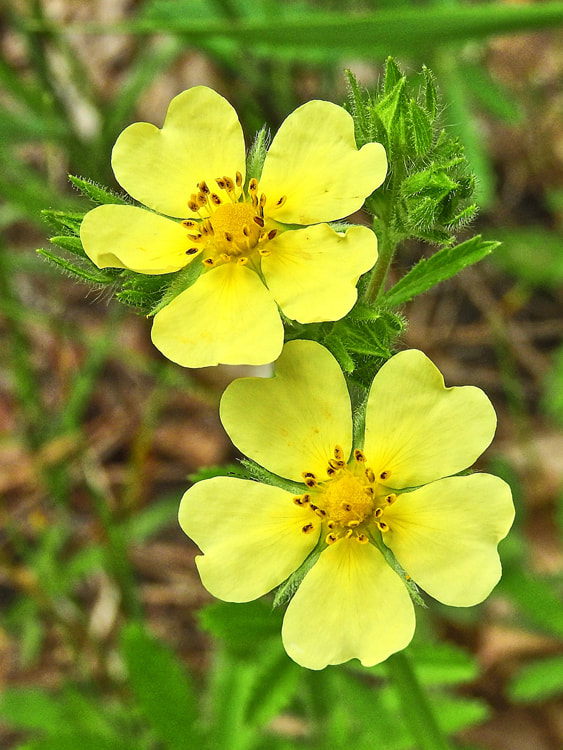 A just-bloomed wildflower might catch my attention when I wander with no particular purpose in mind A just-bloomed wildflower might catch my attention when I wander with no particular purpose in mind That’s exactly what I find myself doing on my walks these days. A just-bloomed wildflower, an oddly-shaped stone, a leaf floating down the creek—there’s no telling what will catch my attention and take it far from whatever minutia occupied my overloaded brain before I set out on my stroll. I seem to wander best when I wander alone, but some folks are joining up in free “walkshops” organized by the nonprofit group Street Wisdom. On these volunteer-led strolls, participants are encouraged to tune into their senses and use their heightened awareness to sharpen their creative problem-solving skills.  Mental meanderers have creative brains Mental meanderers have creative brains Whether you ramble solo or with fellow flâneurs, you can bet your creativity will get the same kind of boost, as long as you let your mind meander freely. Researchers at Georgia Institute of Technology found that frequent daydreamers scored higher on tests of intellectual and creative ability and used their brains more efficiently (as measured with brain scans) than people who zoned out less. All of that is reason enough for me to get up from my desk and wander off. See ya later!
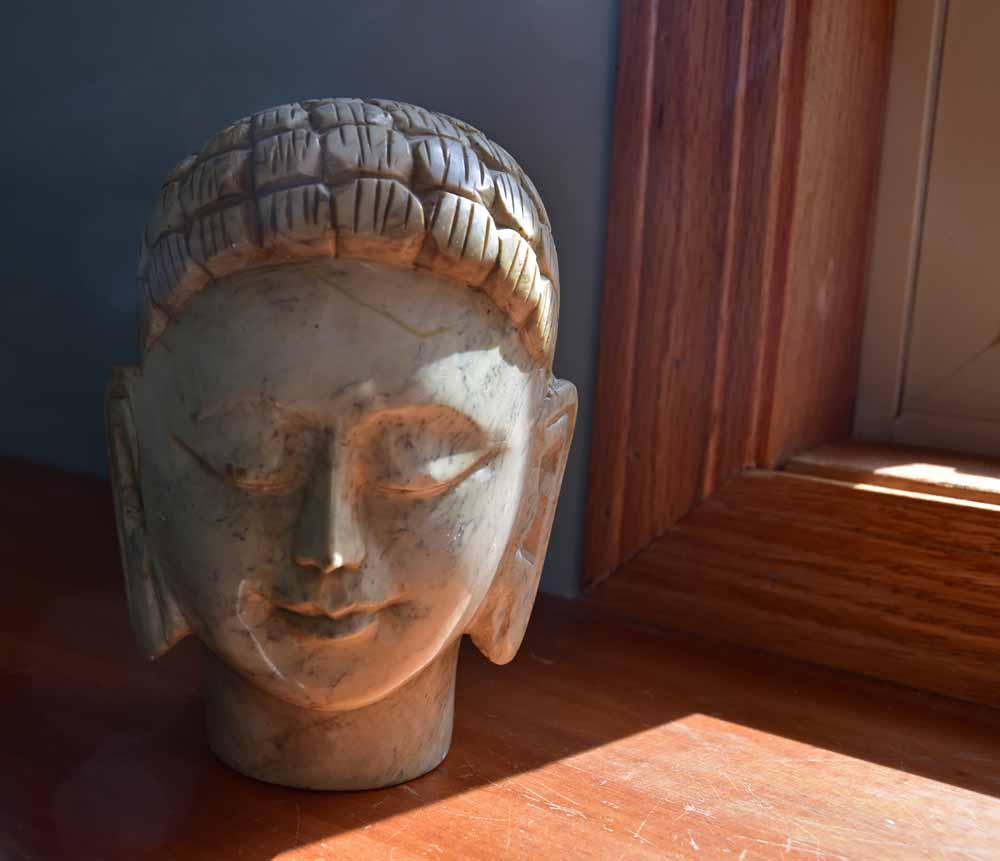 A sunny windowsill at Fae Wood Studio A sunny windowsill at Fae Wood Studio In some ways, the third Monday in March seemed like any other Monday. Early that morning, eleven of us trooped into Fae Wood Studio, the serene space that’s been our yoga home for the past couple of years. Just as she had on so many other Mondays, our teacher, Behnje Masson, led us through a series of moves that refreshed our bodies and boosted our spirits. Our spirits needed boosting more than usual, because—appearances notwithstanding—this Monday was not just any Monday. It was our last class at Fae Wood Studio, and for now, at least, Behnje’s last time to travel to Newaygo to teach us.  For this community of yoginis, this ending marked yet another change in a long history of practicing and studying together. More than twenty years ago, our neighbor Sally Kane initiated the class, teaching every Monday morning in her basement. When Sally went back to school to become a teacher, Ellie Randazzo appeared at just the right time. Ellie took over Sally's class and went on to add more classes, build a devoted following, and eventually open her own studio, Woodland Yoga. As I've written about before, yoga with Ellie, followed by breakfast at Hit the Road Joe Coffee Café became a can’t-miss Monday-morning routine for the group (which I joined about seven years ago), and friendships flourished in the process. 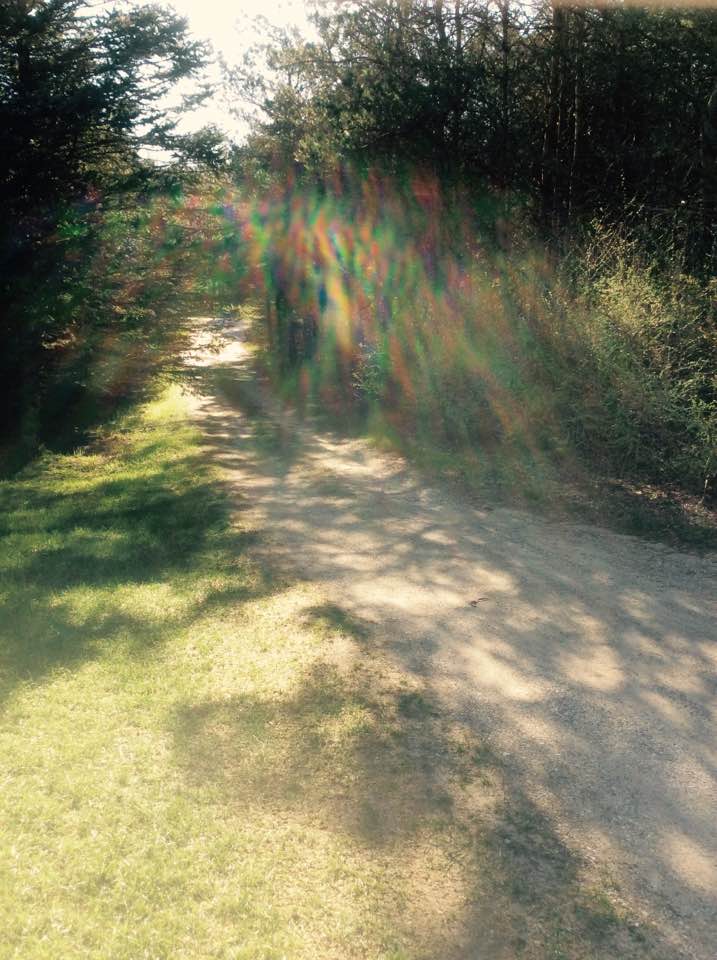 The peaceful setting of Fae Wood Studio seemed magical at times The peaceful setting of Fae Wood Studio seemed magical at times When Ellie died unexpectedly in 2016, we were adrift. Yet we kept our Monday morning yoga-and-breakfast sessions going, even when we had to squeeze into someone’s living room or loft to practice together. Then, through a charmed confluence of events, Ellie’s sister Kathy invited us to use her newly-established studio, Fae Wood, and Behnje offered to drive up from Grand Rapids twice a month to teach us. It was an ideal arrangement, one we’ve been privileged to enjoy for almost two years. But just as Ellie always taught us, change is inevitable. Sure enough, everything has shifted again, and it’s time to readjust. After deciding to move back to Grand Rapids, Kathy has sold her home and closed Fae Wood Studio. Meanwhile, Behnje’s studio in Grand Rapids, From the Heart Yoga, has moved into a new location and needs more of her time and attention. All of that means we’re adrift again. But sad as we are to see this chapter close, drifting for a bit may not be a bad thing, especially with all the possibilities swirling around us: continue practicing together at a new location, carpool down to From the Heart Yoga, try out other local yoga classes. 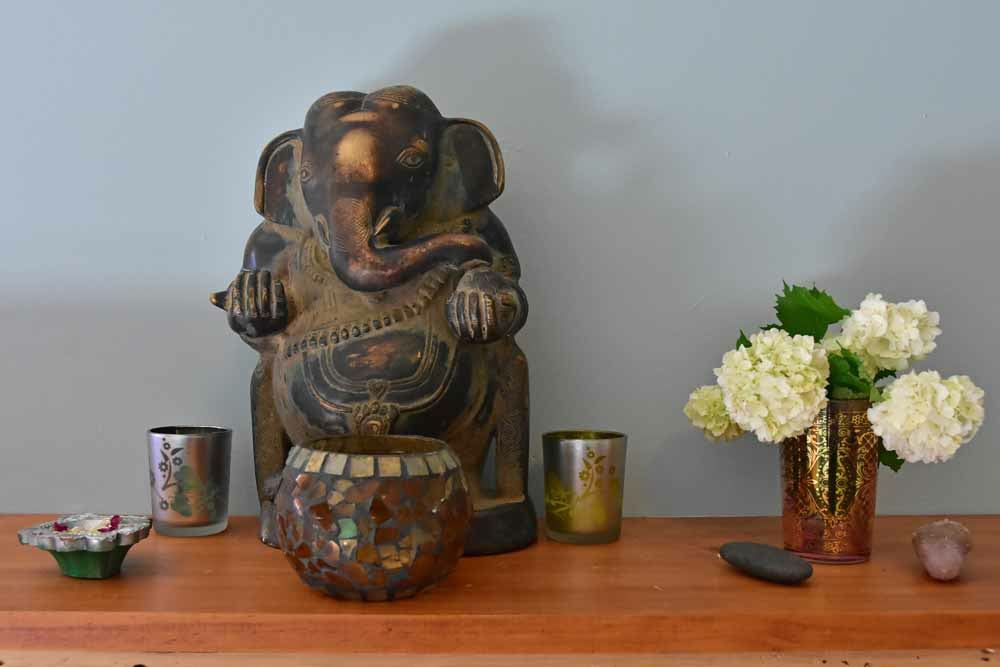 Ellie's favorite Ganesh figure Ellie's favorite Ganesh figure At the end of our last class, we gathered at the back of the room, near Ellie’s favorite statue of the Hindu archetype Ganesh. Behnje talked about the importance of letting go of what you’ve lost, without trying to figure out in advance what’s coming next. She used the image of casting the old into a stream and just waiting to see what flows back to fill the space left open.  It was fitting that this last, momentous class happened to fall in the same week as the vernal equinox, a time associated with balance, but also with change, cleansing, and new beginnings. As we contemplated this latest change, we could feel winter loosening its grip, allowing us to move forward into a season of growth and beauty. It was a good time, too, to be reminded that yoga itself is all about change. As instructor and author Cyndi Lee writes in the March/April 2019 issue of Yoga Journal, yoga “offers a myriad of experiences, many that we could never have predicted.” The point is not to nail a particular pose and hold onto it to dear life (no matter what we may think as we totter in Tree pose), but to adapt, adjust, and explore the range of possibilities.  “See how your actions come together to make certain poses, and then notice how that experience dissolves and is over. We are learning the truth of impermanence. Since everything arises and passes, we try to appreciate it in the moment that it is here.”
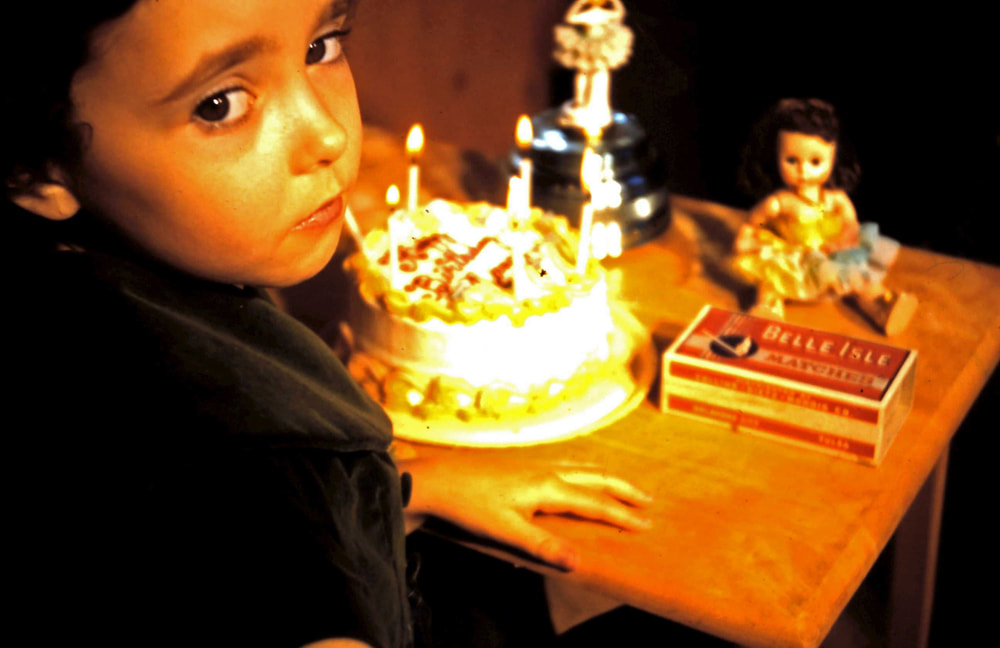 Today is my birthday! I was going to be all low-key about it—just let it slide by without a mention. But when I noticed it would fall on a blog-posting day, I couldn’t resist sharing some birthday thoughts with you. Besides, this one’s a biggie: 70. Just typing that number makes my jaw drop. Me?? 70?? With the dicey health history I had from age 17 on, there were times I doubted I’d ever see this many candles on my cake. Yet as the years piled up, I allowed myself to hope—and then believe—I just might.  When I did envision myself at 70, I imagined I’d be living a slowed-down, reflective life, sifting through mementos and old photo albums, processing the past, while practicing meditation and yoga to keep me grounded in the present. What I didn’t imagine was that I’d be so involved in new projects and interests and so jazzed about what’s still ahead. 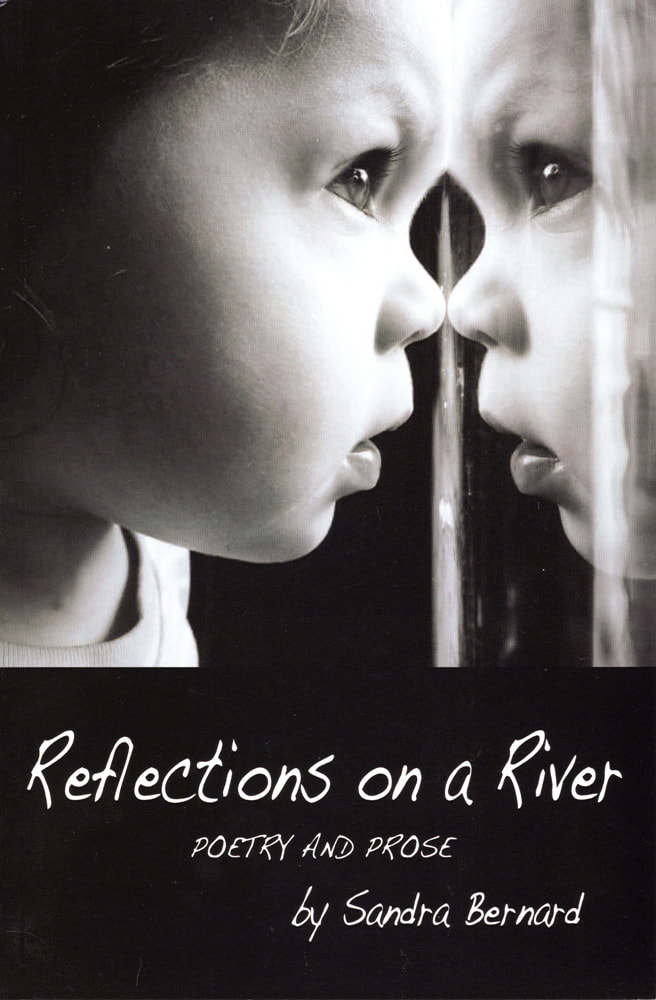 My friend Sandra Bernard recently published this book of poetry and prose and now is working on a new children's book My friend Sandra Bernard recently published this book of poetry and prose and now is working on a new children's book It helps that we live in a community of energetic, engaged people around my age and older who are doing interesting things: playing and recording music, making art, writing and illustrating books, tending gardens, devoting time and talents to worthy causes. (By the way, if you missed my post on Bea Cordle, an inspiration to us all at 90+, be sure to check it out.) 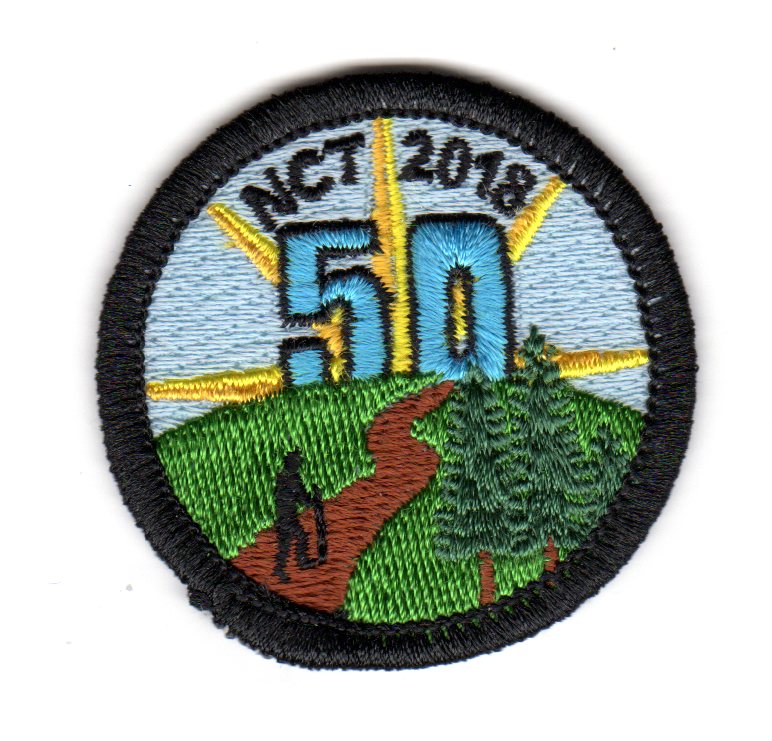 Last year, the stars aligned to make good things happen with my writing and photography. Now, looking forward to the publication of my memoir, Mango Rash, later this year, I’m loving the idea of being a debut author at 70. Toward the end of last year, I also achieved my goal of hiking 50 miles of the North Country Trail, earning that coveted patch for the vest I wrote about in a previous post. This year, I’ve signed up to try for 100 miles (and another patch!), and though sub-zero temperatures and icy trails have set me back lately, I’ve at least made a start toward that goal. Yet in spite of my undampened enthusiasm for projects and passions, this time of life does feel different in some ways from my earlier years, and I do feel the need to take time out for reflection, for putting things in context and looking back as well as forward. In that spirit, Ray and I have been looking through all my photo albums, in order. They start with photos from before I was born—ancestors, my parents’ early lives—and continue up to 2003, when we switched from film to digital and I got tired of sticking pictures on pages. 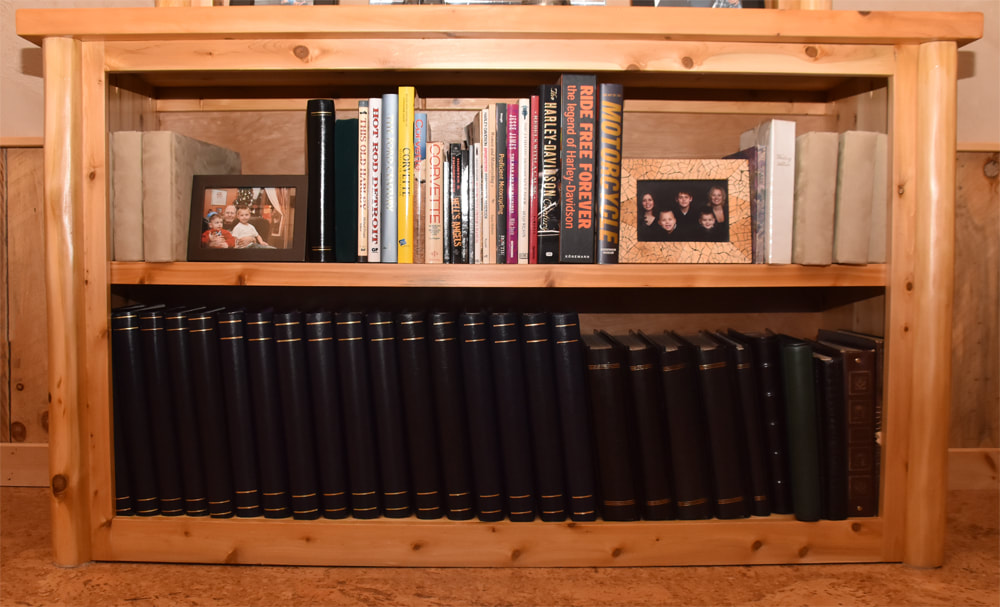 More than three-quarters of a century of photos and memories are contained in these albums 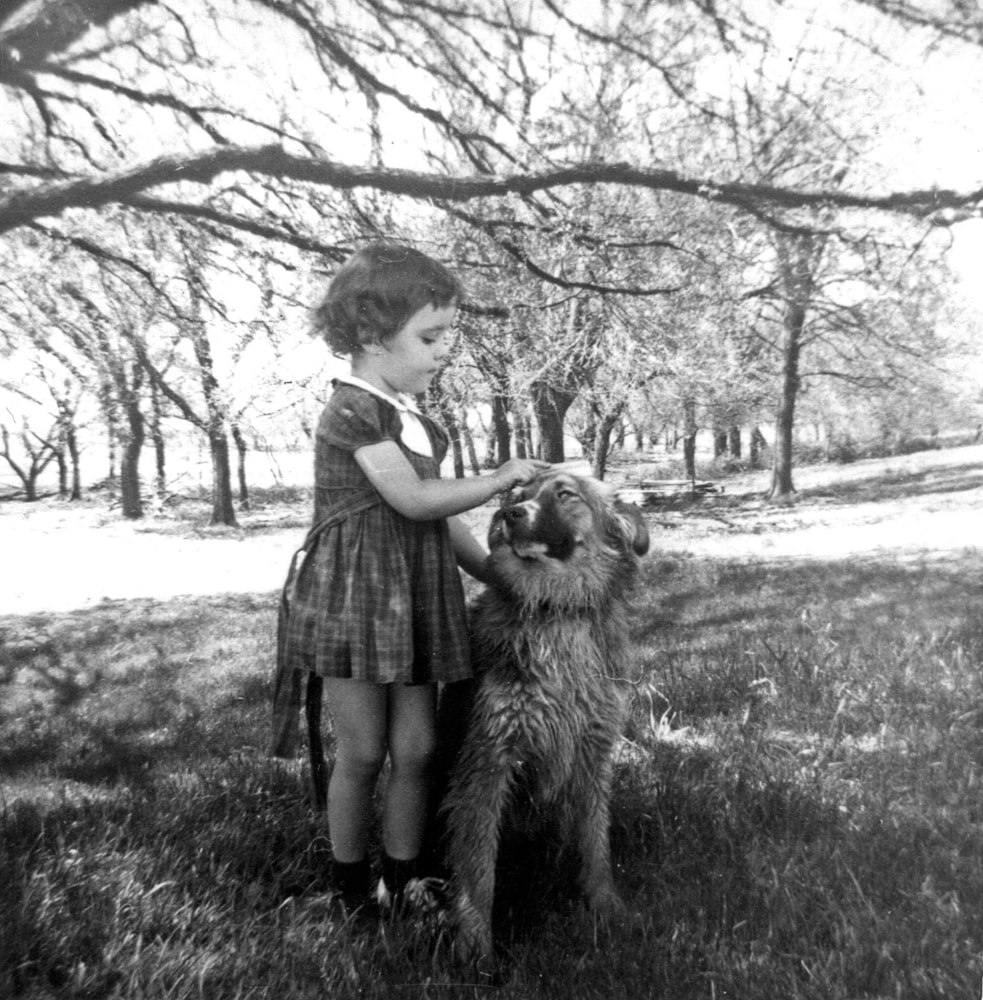 My love of the outdoors has been a theme through the years My love of the outdoors has been a theme through the years Though I’ve dipped into these albums from time to time over the years, I’ve never gone through them this way, one after another, in the span of a few weeks. Doing that now, I notice threads that run through the decades. One is my love of nature, from childhood romps in the woods to more recent treks on nearby trails. Another is appreciation of art, evident in snapshots from settings that range from tony sculpture gardens to funky street fairs. Travels—around Michigan and beyond, by motorcycle, RV, or other conveyance—are another theme. 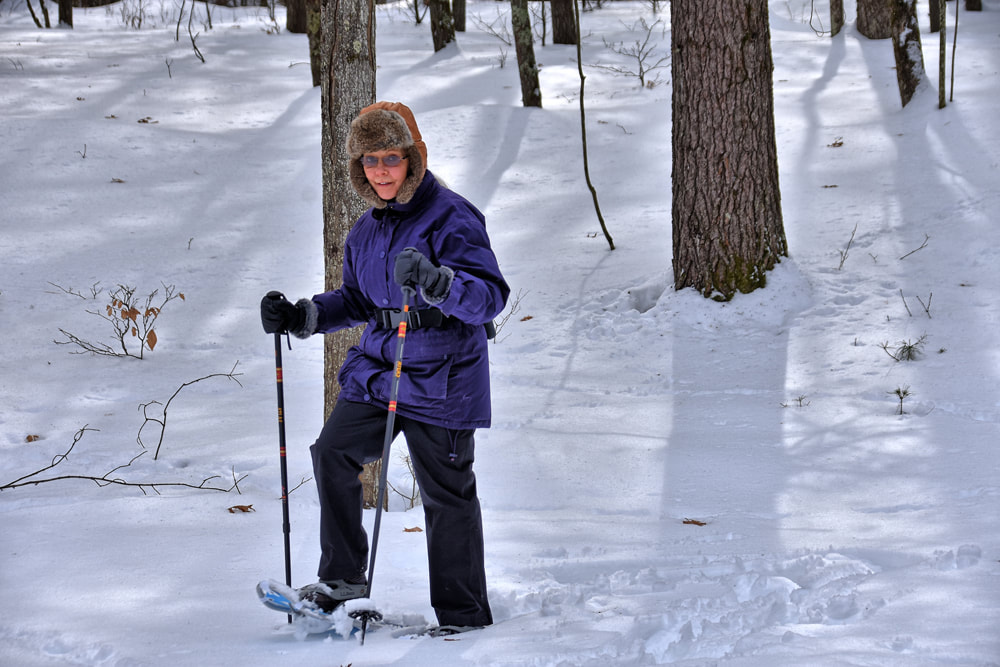 A recent walk in the woods (with new snowshoes Ray gave me for my birthday!) Most meaningful, though, are the faces that keep showing up, year after year, in different situations and places: the friends and family members with whom I’ve shared both celebrations and somber occasions. It's gratifying to realize how many of these people I'm still in touch with and have talked to or exchanged email with in the past week alone. Remembering the roles we’ve played—and continue to play—in one another’s lives gives me a deep sense of connection. 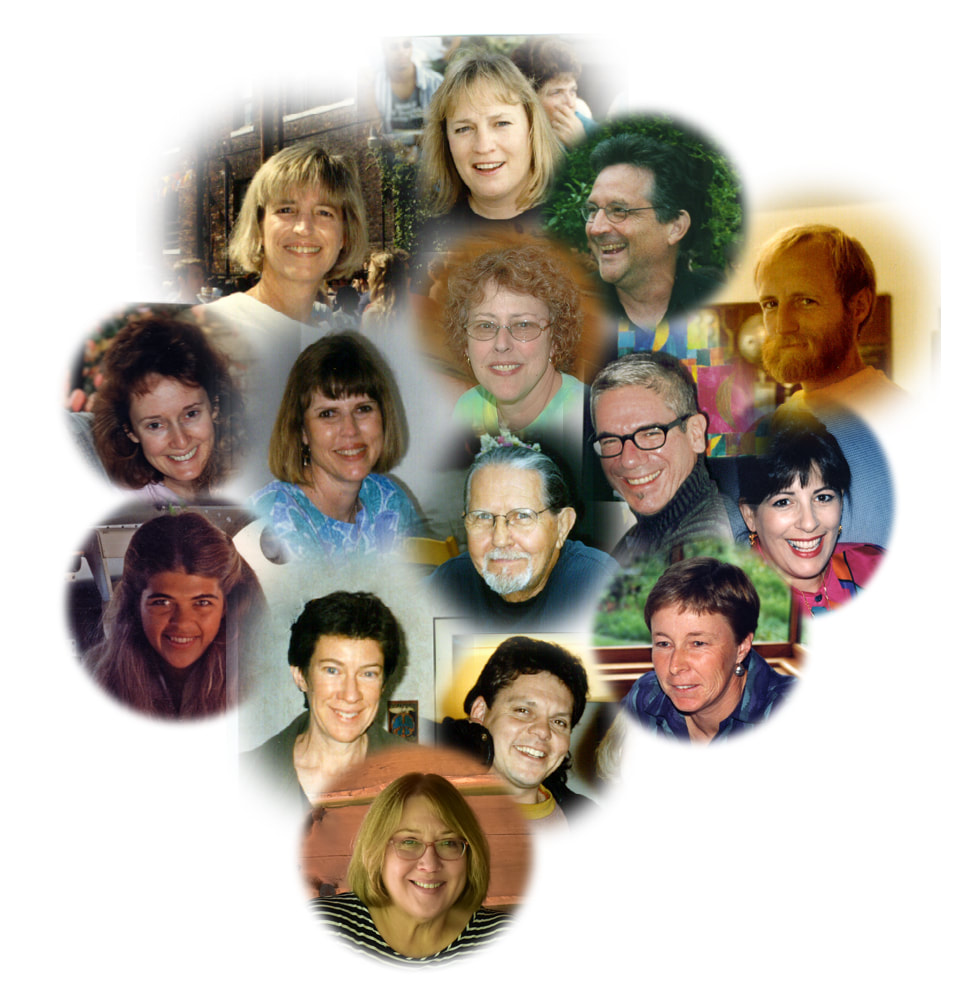 Some (but by no means all) of the faces that keep showing up in my photo albums 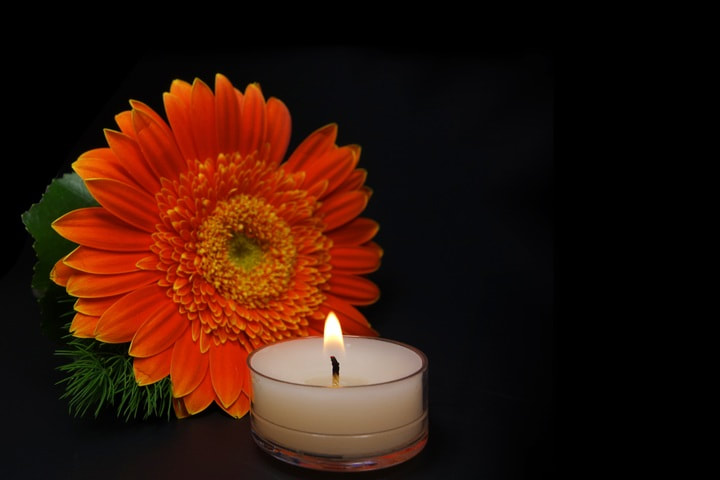 Within the pages of my photo albums, I also find reminders of the losses that come with a long life. So many faces in those photos belong to people who have passed from this life and whose presence I miss. At this time of life, the losses come closer together, and the bonds among those of us who remain grow stronger. When I embarked upon this photographic time trip, I didn’t give much thought to its significance. It was just one of those “someday, I’ll . . . ” things that I felt like doing now. Now, as I pore over pages, I realize what a profound experience it is to look back over a lifetime and contemplate what it's all been about. At a time when it sometimes seems things are falling apart, there's also a sense that everything's coming together. As I anticipate the coming year—and years—it's with a keen awareness that there's really no way of knowing what may come, and no point in either worrying or fantasizing about what-ifs. All I can say for now is, "So far, so good." 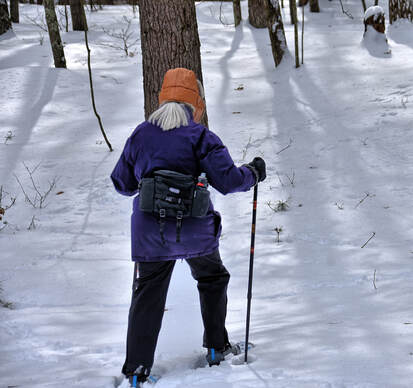 Share your thoughts about the stage of life you're experiencing.
Mālo le onosa’i -- Samoan proverb loosely translated as “patience is a virtue”  I’ve been thinking a lot about patience—and its payoffs—lately. About the years I spent writing and revising and polishing my memoir, and the months of researching agents and publishers, pitching at conferences, and sending out queries. Friends praised my perseverance, but I sometimes wondered if they were secretly thinking, Isn’t it about time she gave up on this thing and got on with her life? Sometimes I wondered that myself. At the same time, I kept reading about authors—many of them famous now—who traveled the same plodding path, encountering rejection after rejection until finally they hit publication pay dirt. So I waited . . . and waited . . . and kept doing everything I could to improve my odds until, miracle of miracles, I had my own book contract in hand.  And then I found out still more patience is required. My memoir, Mango Rash: Coming of Age in the Land of Frangipani and Fanta, is due out in October of this year—a wait of another nine months, made up of a multitude of mini-waits. Right now, I’m waiting for my editor’s notes so I can begin another round of revisions. Then I’ll be waiting for more editorial input on final tweaks. And so on, and so on. Meanwhile, I’m suppressing the urge to fire off nervous-newbie question after question to my editor, knowing that she’s swamped with other projects right now and trusting that she will provide whatever information and guidance I need as I need it. Patience. Patience. In that spirit, I’ve rounded up an assortment of wisdom on the subject to share with you today.  Have patience. All things are difficult before they become easy. - Saadi  The creative people I admire seem to share many characteristics: A fierce restlessness. Healthy cynicism. A real world perspective. An ability to simplify. Restraint. Patience. A genuine balance of confidence and insecurity. And most importantly, humanity. - David Droga  I have just three things to teach: simplicity, patience, compassion. These three are your greatest treasures. - Lao Tzu  Patience and perseverance have a magical effect before which difficulties disappear and obstacles vanish. - John Quincy Adams  The key to everything is patience. You get the chicken by hatching the egg, not by smashing it. - Arnold H. Glasow  Having patience is one of the hardest things about being human. We want to do it now, and we don't want to wait. Sometimes we miss out on our blessing when we rush things and do it on our own time. - Deontay Wilder  Have patience with all things, But, first of all with yourself. - Saint Francis de Sales  If you would know strength and patience, welcome the company of trees. - Hal Borland  Everything that slows us down and forces patience, everything that sets us back into the slow circles of nature, is a help. Gardening is an instrument of grace. - May Sarton  Patience is the companion of wisdom. - Augustine of Hippo  Despite the common misconception, having patience doesn't mean making a pact with the devil of denial, ignoring our emotions and aspirations. It means being wholeheartedly engaged in the process that's unfolding, rather than yanking up our carrots, ripping open a budding flower, demanding a caterpillar hurry up and get that chrysalis stage over with. - Sharon Salzberg in “The Power of Patience,” Awakin.org, February 10, 2014  The more you know yourself, the more patience you have for what you see in others. - Erik Erikson 
We’ll replace our old, slothful habits with shiny, new diet and exercise regimens. We’ll be kinder, calmer, more generous and patient. We’ll work harder, or work less, depending on our situations and motivations. We’ll see new places and learn new things.  In short, we’ll be far more fabulous in 2019 than we were in 2018.  It’s an appealing fantasy, and I’ll admit, in past years I’ve made long lists of goals that ranged from personal improvement (find positive ways to deal with conflict; let go of resistance and cultivate lightness) to artistic (make a dozen new collages; take a dance class; write a poem every day) to niggling tasks (keep up on paperwork and email; sell or donate excess stuff). The trouble was, year after year, I grossly overestimated the amount of free time and energy I’d have to devote to all my aspirations and underestimated the time that would be taken up with doing the same old, necessary things week after week. I also tended not to take into account how little enthusiasm I'm able to generate for such tedious tasks as the aforementioned paperwork and email. Reviewing my list at the end of each year became an exercise in frustration. While I made progress on a number of projects and even finished some, I found myself carrying many of my goals forward onto the next year’s list, year after year after year.   Still, a new year seems to warrant some kind of intention-setting ritual, even if it’s nothing more than a mental exercise. In that spirit, I’m making a new kind of list, a modest tally of five things I want to carry forward with me from last year into this year and five things I want to let go because they no longer serve me (if they ever did). Here goes . . . FIVE THINGS I WANT TO BRING WITH ME FROM 2018: 
FIVE THINGS I WANT TO LET GO OF: 
What do you want to hold onto and get rid of in 2019? Do you have your own year-end or year-beginning rituals? All images used with this post are free-use stock images.
 Stuff has leaked out of my bucket list (Stock photo) Stuff has leaked out of my bucket list (Stock photo) My bucket list's got a hole in it. Things that once seemed vitally important to see or do before I die have dribbled away—some replaced by new must-dos, others simply discarded because my interests and circumstances changed. I came to this realization after unearthing some of my old lists. It was enlightening to see which things on those lists I had ended up doing, which things I'd lost interest in along the way, which things just didn't happen and probably never will, and which ones still call to me. For example: My "101 Things I Want to Do Before I Die" list, dated October 20, 2002, includes item number 75: "Have a pet donkey (maybe)." 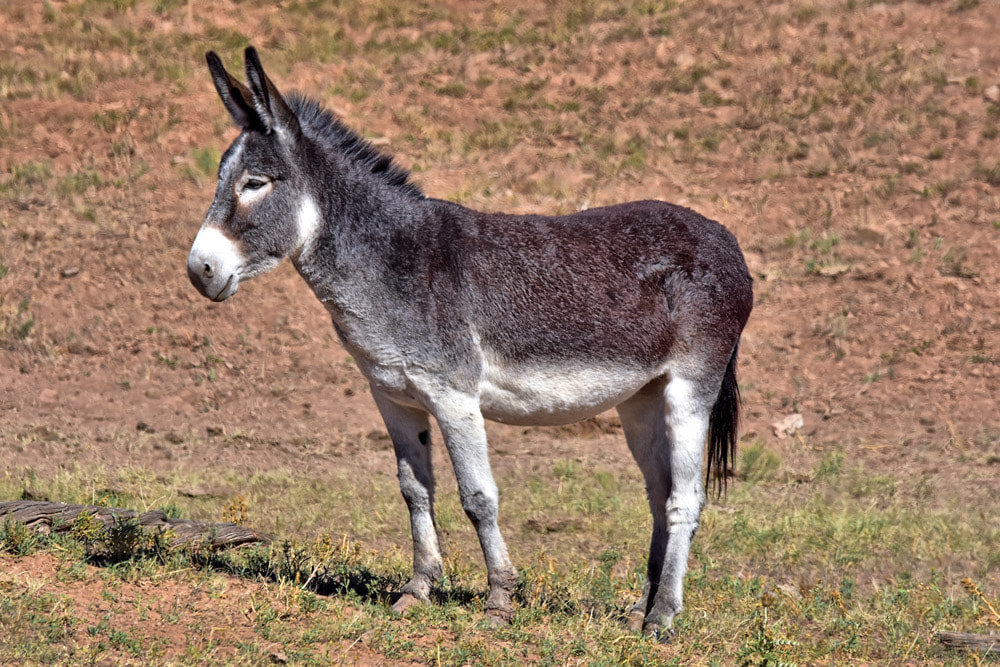 I once dreamed of having a donkey pal (Photo: Nan Pokerwinski) A few years earlier, I had become fascinated with donkeys during a long motorcycle trip down south, on which we saw scads of donkeys—miniature and full-sized—in fields and farmyards. I dreamed of having a donkey farm, then scaled that dream back to just one donkey (or two—I'd heard they need companions). By the time I made the 2002 list, though, the parenthetical "maybe" suggests I already harbored doubts about my commitment to caring for a large animal. By the time I revised my list in March 2006, donkeys had disappeared, replaced by a number of items related to writing, publishing, and attending various writers' conferences.  Playing pedal steel was another aspiration (Stock photo) Playing pedal steel was another aspiration (Stock photo) One gotta-do item that did carry over onto the 2006 list was "Learn to play steel guitar," a burning desire since my grad school days in Kansas, when I worked off stress by dancing to western swing tunes and came to love the twang of pedal steel. But that long-held aspiration had sloshed out of the bucket by 2009, when I again revised and pared down my list. By then, we had bought our Newaygo house and were making plans to move. While the idea of learning a new musical instrument still appealed to me, I wanted to devote more time to outdoor activities, travel, and getting to know our new neighbors and surroundings. I already had one time-consuming, indoor pursuit: writing. That felt like enough. 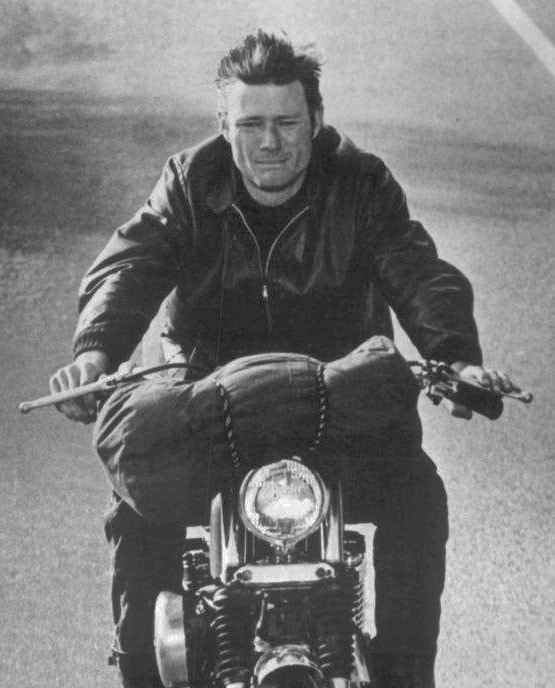 Michael Parks in "Then Came Bronson" Michael Parks in "Then Came Bronson" Then there's the category of things that just didn’t happen and probably never will. Ever since my youth, when I never missed an episode of "Then Came Bronson," starring Michael Parks as a disillusioned former journalist wandering the West on his Harley-Davidson Sportster, I'd dreamed of riding those same roads on my own motorcycle. I got the motorcycle (several, in fact, over the years), learned to ride, and made shorter trips on my own bike and longer ones on the back of Ray's, navigating so he could focus on the challenges of the road. 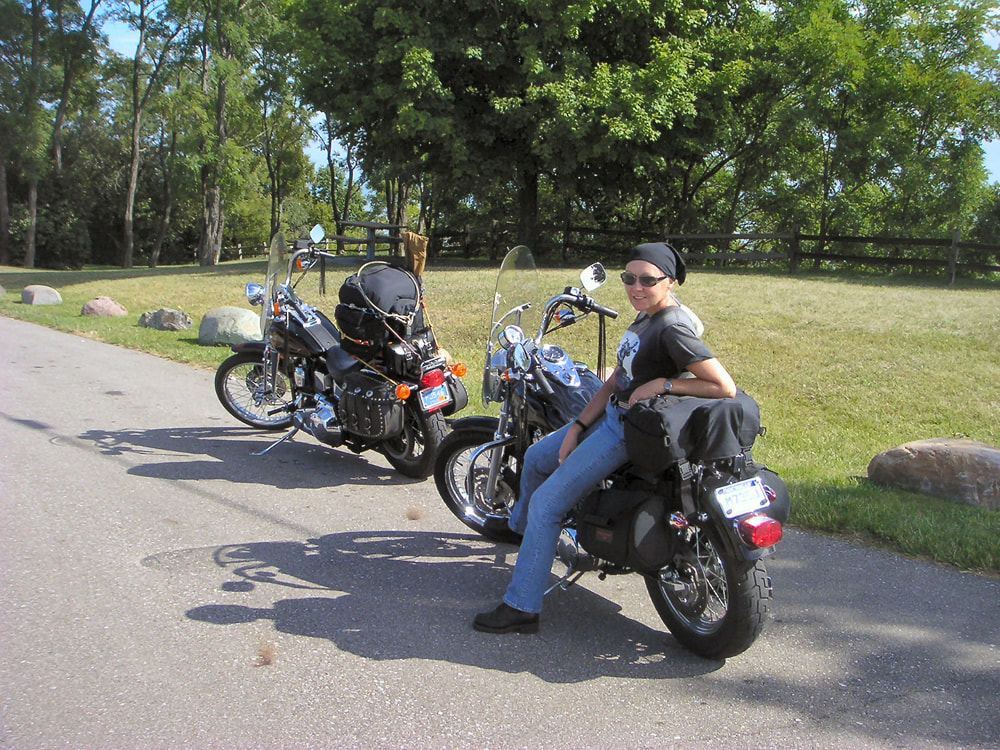 On my own bike, on a motorcycle trip around the Mitten (Photo: Ray Pokerwinski) 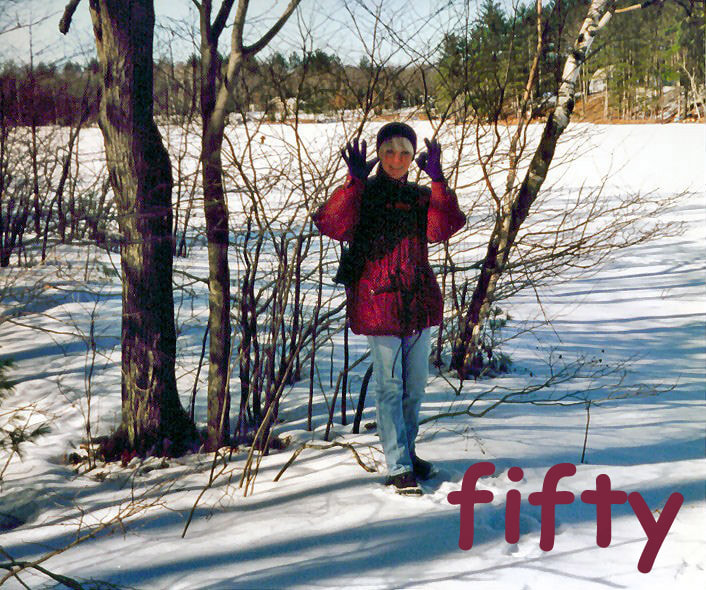 At fifty, I adopted a "never too late" attitude (Photo: Ray Pokerwinski) At fifty, I adopted a "never too late" attitude (Photo: Ray Pokerwinski) But my own westward odyssey never happened, and at some point it became clear to me that it never would. While it's true that ever since I turned fifty, my motto has been, "It's never too late," I've recently come to realize that for some things, it kinda is. The prime time for me to have made such a journey was ten or twenty years ago, when my riding skills, reflexes, and stamina were at their peak (and other drivers on the road were not as distracted as they are these days). I could still do it now, but I wouldn't enjoy it as much as I once would have. I'm a little sad that it didn't happen, but when I remind myself of other experiences that did happen (including several meandering trips out West in vehicles other than motorcycles), the sadness dissipates. 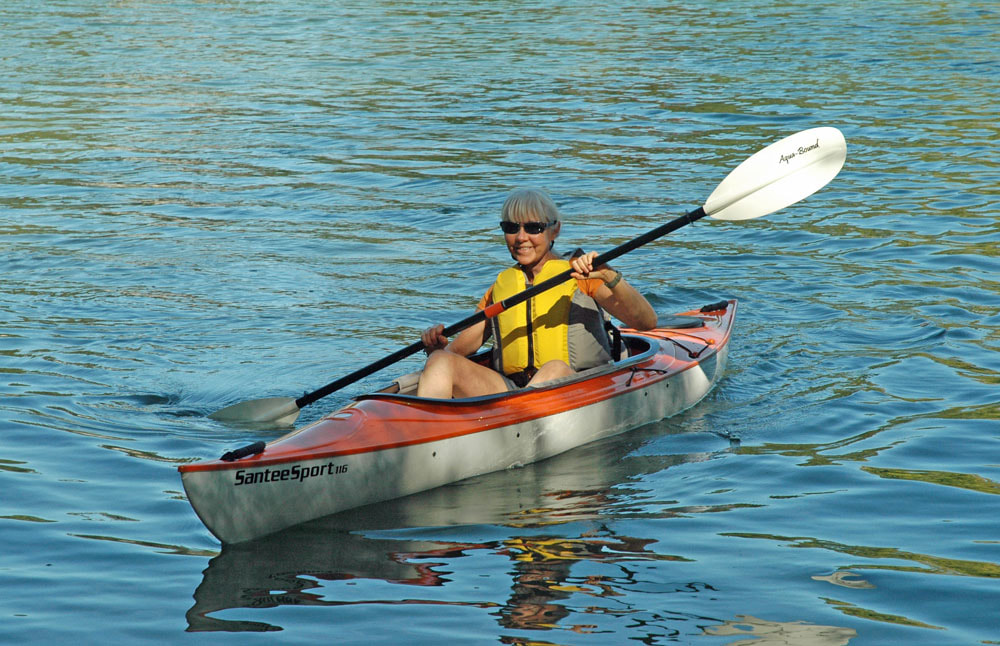 Learning to kayak was on my bucket list (Photo: Ray Pokerwinski) Learning to kayak was on my bucket list (Photo: Ray Pokerwinski) That brings me to the mind-shift about bucket lists that happened not long after I drew up my last one in 2010. I realized that focusing on things still undone made me feel restless and disheartened at the prospect of time running out before I accomplished them all. So I sat down and made a list of all the things I had done over the years—both things that had been on my bucket list (writing a book, making collages, learning to kayak, hiking sections of the North Country Trail) and things that arose out of unexpected opportunities or spur-of-the-moment whims (joining in a 60-mile fundraising walk, taking a motorhome trip to Alaska, moving to Newaygo). 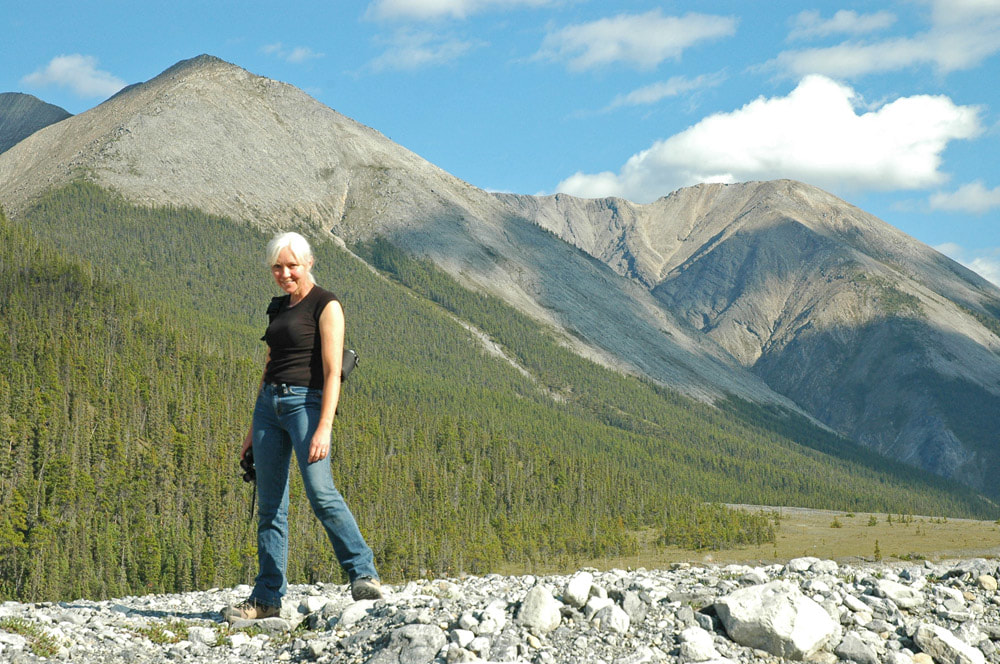 A motorhome trip to Alaska wasn't on my bucket list, but it was on Ray's, and I'm glad he took me along (Photo: Ray Pokerwinski) That list went on for pages, and as I looked it over, I could see that everything I'd listed there had brought me some kind of satisfaction, whether or not it had been on my official bucket list. So I scrapped the bucket list and decided to take a different tack. I looked back at the various iterations of the list and tried to identify threads that ran through them. The result was a different kind of list that I titled "The Themes of My Dreams." Among the entries on that list were:
Now, instead of trying to tick off accomplishments, I just try to align activities with those overarching themes, and I feel far more content as a result. I was surprised to find a similar approach advocated in—of all places--MotorHome magazine. In an article titled Trimming Your Bucket List in the magazine's September 2018 issue, author Mary Zalmanek ends with these suggestions (condensed and paraphrased here):
Finally, Zalmanek closes with this sage advice: "Today, do what will make you feel like you've lived a full and worthwhile life. That way your bucket will never seem empty."
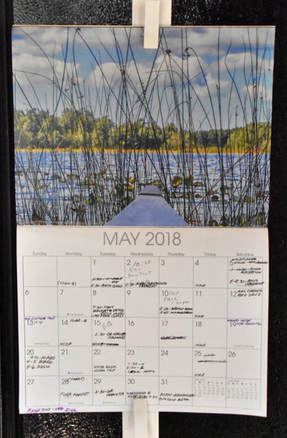 Things were piling up. The calendar swelled with appointments, meetings, events, invitations, and activities. Household projects begged to be completed (or started), outdoor projects jostled for attention. There were errands to run, phone calls to return, e-mails to answer. And then in the midst of all of that, the blog post I'd planned for today fizzled out. My first impulse was to scramble to come up with another topic. Though I had plenty of ideas, all of them would take time to pull together, and time was what I didn't have. As I mentally scanned my gotta-do and wanna-do lists, it was clear I'd be pressed to make everything fit.  (Photo: Max Pixel) (Photo: Max Pixel) Then I had another thought: What if I just called time out? I'd already been planning to switch to a more leisurely blog-posting schedule for a few months over the summer, beginning in June. What if I started that a few weeks earlier than planned? 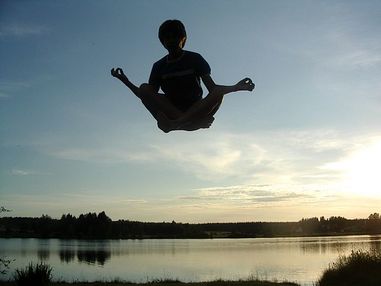 (Photo: Wikimedia Commons) (Photo: Wikimedia Commons) As soon as I had that thought, the space around me opened up. My breathing slowed. I felt like I could float on air.  (Photo: The Blue Diamond Gallery) (Photo: The Blue Diamond Gallery) Such a simple solution, just stepping back and saying, "Whoa, there." Yet it's crazily easy to forget that it's an option — that when things get too hectic, maybe they don't need to be. Maybe there are things that don't have to be done, or that don't have to be done quite the way you thought they did. So with this post, I'm announcing the new, leisurely, summertime HeartWood schedule. For at least the next few months, I'll be posting only on the first and third Wednesdays of the month (see dates below). That means no Last Wednesday Wisdoms for a while. But don't worry, I'll still be gathering tidbits to share later on. 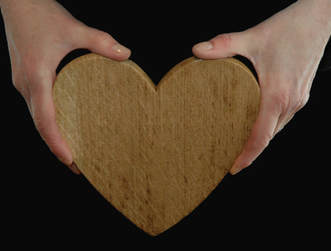 I'm grateful for the faithful readers who show up here every Wednesday, and I hope this change won't throw you all for a loop. But I'll bet you, too, have more things clamoring for your time than time to do them, so this will give you some breathing space, too. And if you just can't stay away from HeartWood every Wednesday (or any other day), you're welcome to visit and read previous posts you've missed or re-read any you especially liked. Here's when you can expect to find new posts: June 6 June 20 July 4 July 18 August 1 August 15 September 5 September 19 See you in June!
It's National Poetry Month! You didn't think I'd let that slip by unnoticed, did you? What better way to pass the time while waiting for spring's late arrival than to read—or write—a bit of poetry? Short on inspiration? Look no further than the things you encounter every day. 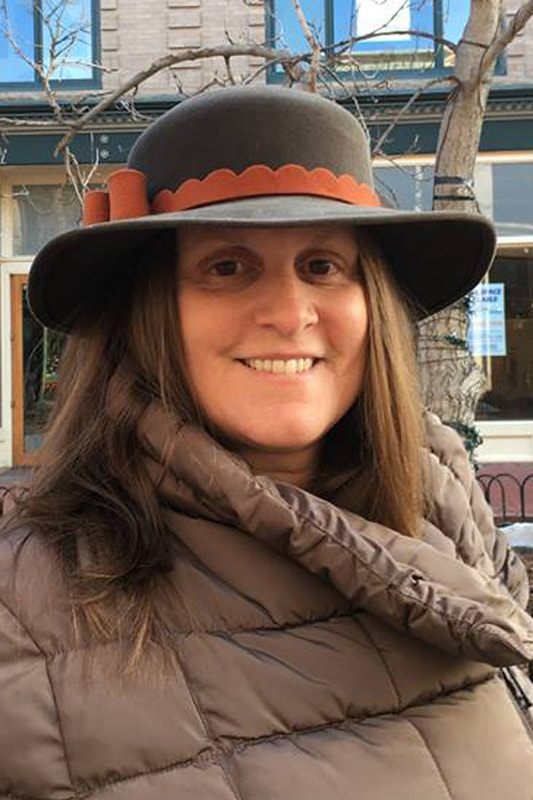 Cristina Trapani-Scott Cristina Trapani-Scott That's the advice of this week's guest, Cristina Trapani-Scott. I first met Cristina fourteen years ago at Bear River Writers' Conference. After the conference, we formed a writers' group with another writer we'd met there. The result was the Sister Scribes, an Ann Arbor-based group that eventually added three more members and became a source of support and motivation for all of us. 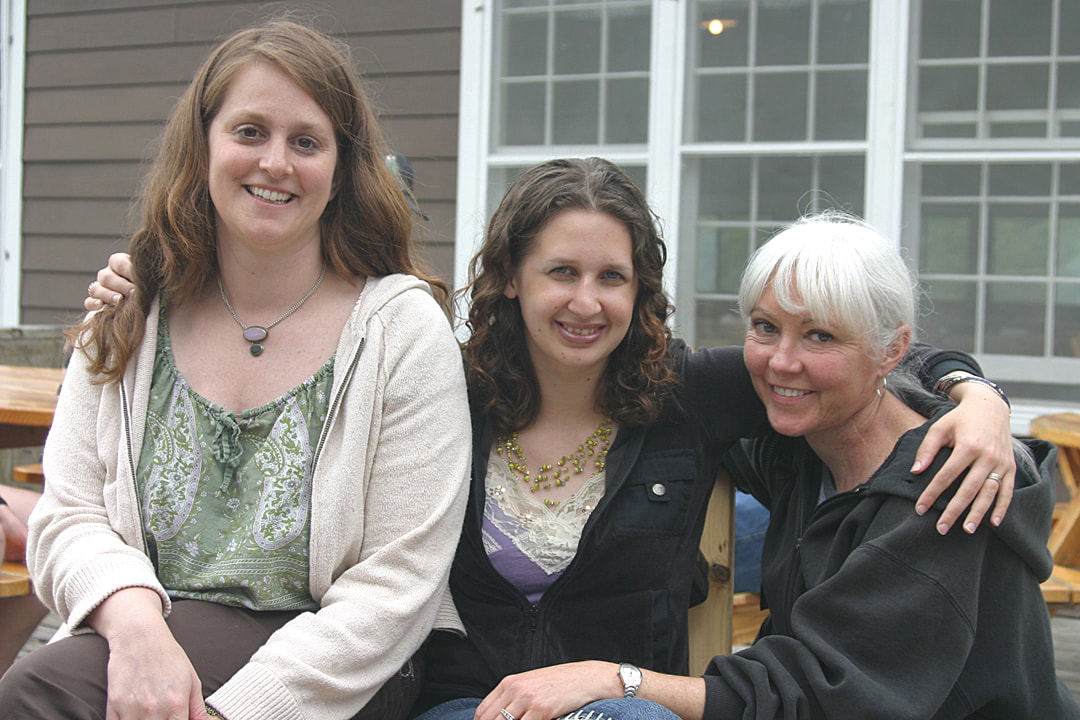 Sister Scribes Cristina, Cyan and Nan in 2005 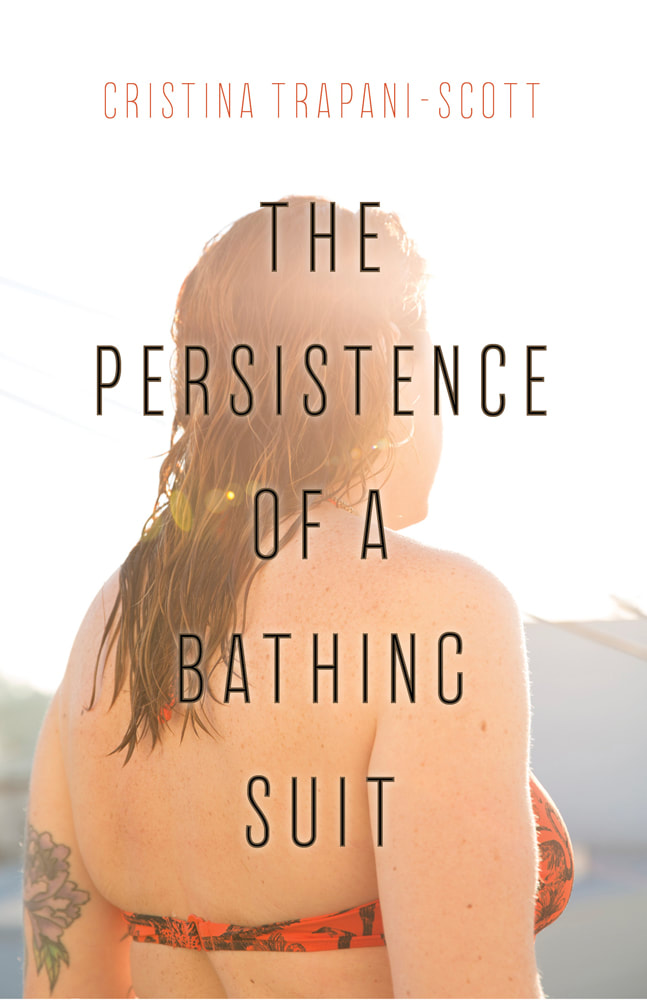 Cristina's debut chapbook collection of poems was published last year Cristina's debut chapbook collection of poems was published last year An author, educator, and former journalist, Cristina now lives and writes in Northern Colorado. Her debut chapbook collection of poems, The Persistence of a Bathing Suit, published in 2017 by Finishing Line Press, explores the moments that fill the space between surviving a breast cancer diagnosis and accepting the inevitability of change and uncertainty. Cristina's work has appeared in the Patterson Literary Review, Hip Mama Magazine, the Driftwood, Bigger Than They Appear: An Anthology of Very Short Poems, and Sweet Lemons 2: International Writings with a Sicilian Accent. She holds an MFA in poetry and fiction from Spalding University and currently teaches creative writing and composition online. Find Poetry in Everyday Things |
Written from the heart,
from the heart of the woods Read the introduction to HeartWood here.
Available now!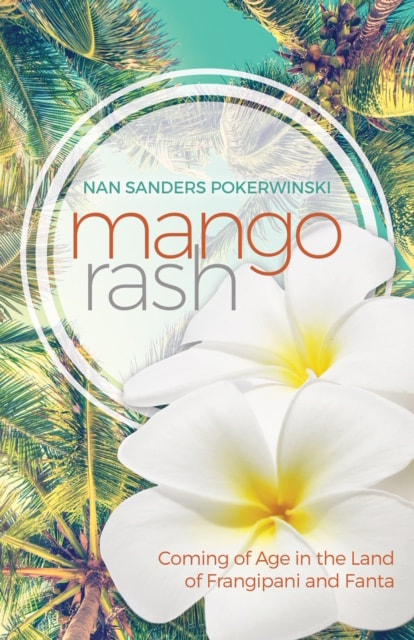
Check with your favorite bookseller or order from the BUY BOOKS page on this website.
Author
Nan Sanders Pokerwinski, a former journalist, writes memoir and personal essays, makes collages and likes to play outside. She lives in West Michigan with her husband, Ray. Archives
April 2022
Categories
All
|
 RSS Feed