|
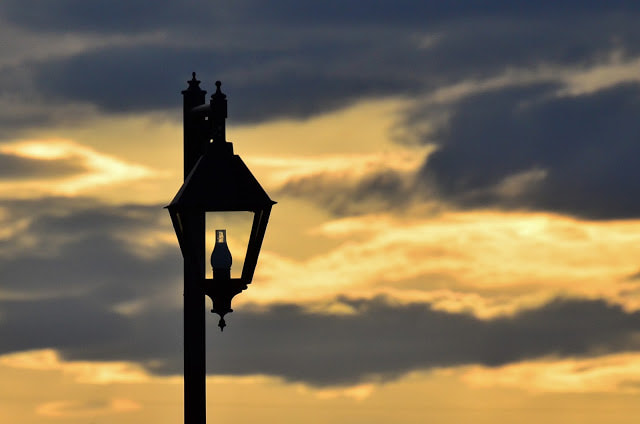
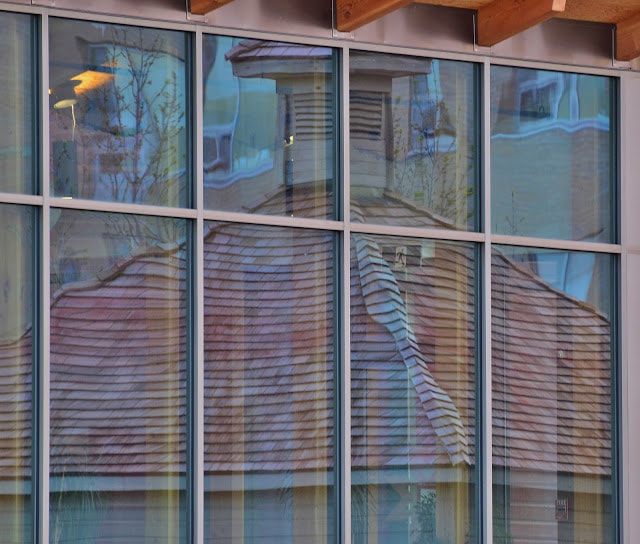
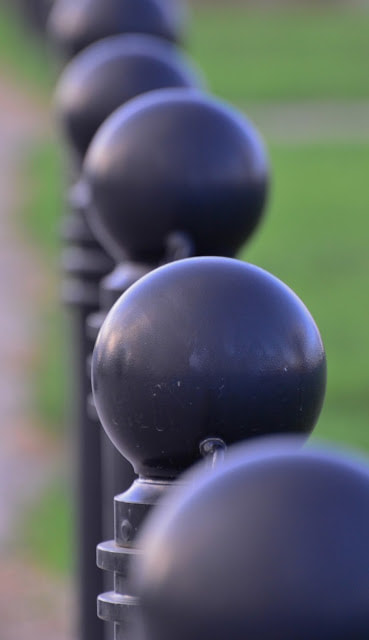
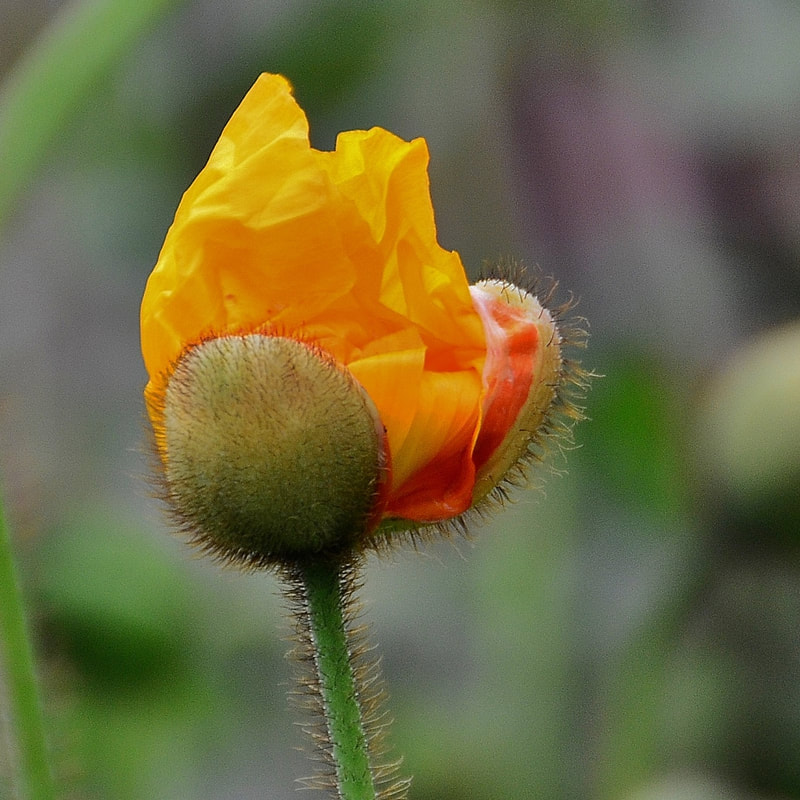
One of my favorite January rituals is choosing a calendar to hang in our kitchen. More than a place to keep track of events and appointments, the right calendar can be a thing of beauty to admire every day. 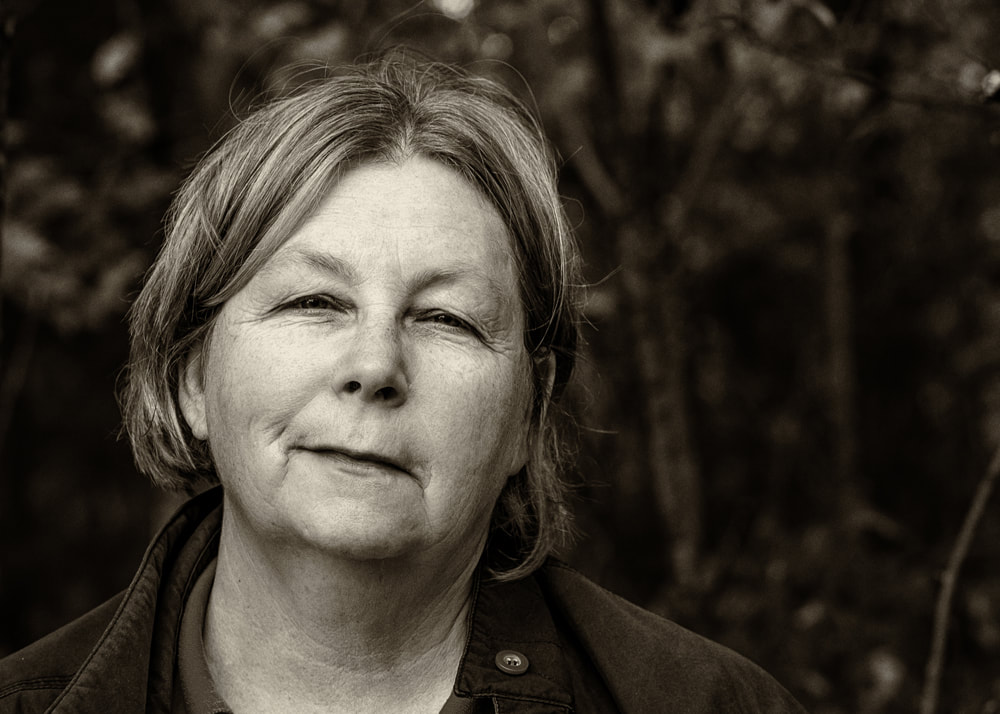 Gail Howarth Gail Howarth For the past three years, I've been delighted to find photographer Gail Howarth's calendars for sale at Artsplace in Fremont. I've been a fan of Gail's photographs since I saw a collaborative exhibit of work by Gail and painter Renae Wallace at Artsplace a few years ago. This year, Gail is donating profits from calendar sales to Mel Trotter Ministries, a Grand Rapids nonprofit organization that works with homeless people. Gail is also undertaking a photography and writing project with the organization. I've invited her here today to tell us about her work and this new project. One thing that has always appealed to me about your photographs is the way you create extraordinary images from everyday objects and scenes—an old chair in a barn, a pile of driftwood, a rusty bicycle in a patch of weeds, a weathered fence post. What is your process for finding subjects for your photographs, and what do you look for in a potential subject? I feel as though my subjects find me. It is true that I carry my camera most of the time and that I often have a goal in mind when I go out for the day. However, what is on my camera at journey's end is seldom what I planned. I photograph a broad range of things, as you mentioned. I am attracted to things old and broken, beautiful landscapes, and interesting people. Often, I travel the same roads or walk the same paths and see nothing of interest. Then with a shift of light, I see the location or an object as though for the first time. This fascinates me and keeps in a state of wonder and awe. A potential subject is anything that tells a story. My hope is that my photography not only be beautiful but also conjures memories or inspires the viewer to create a tale about the image. 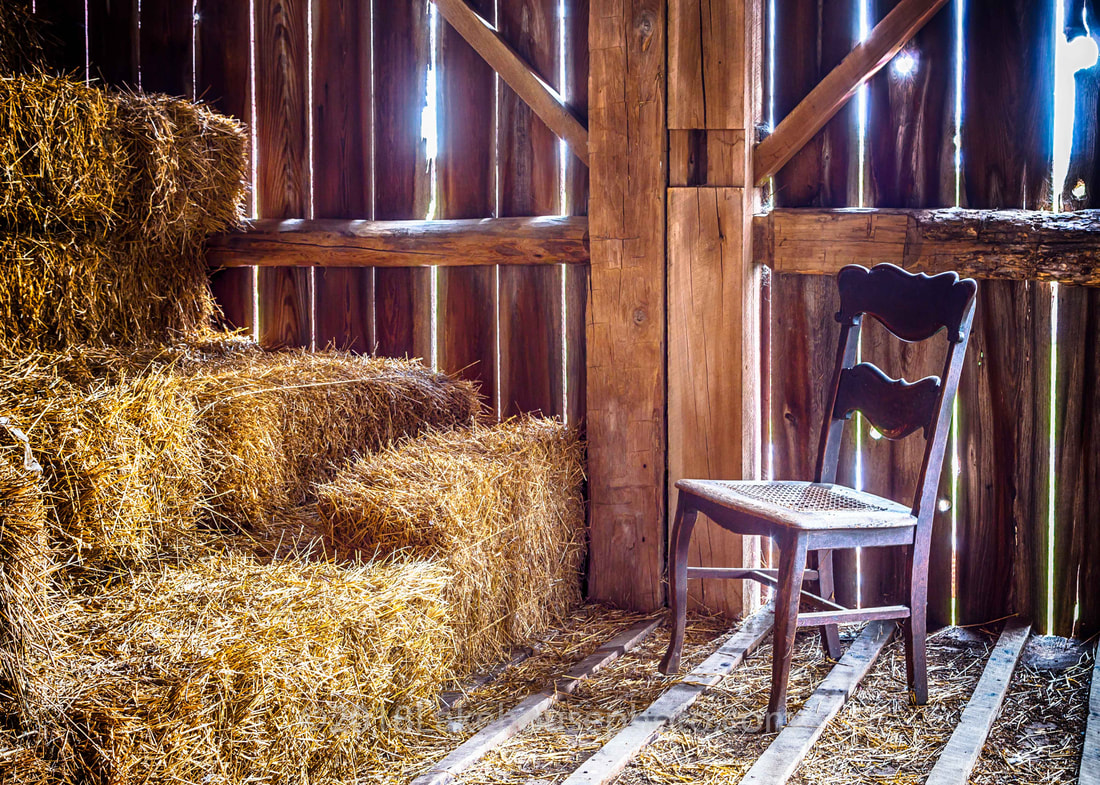 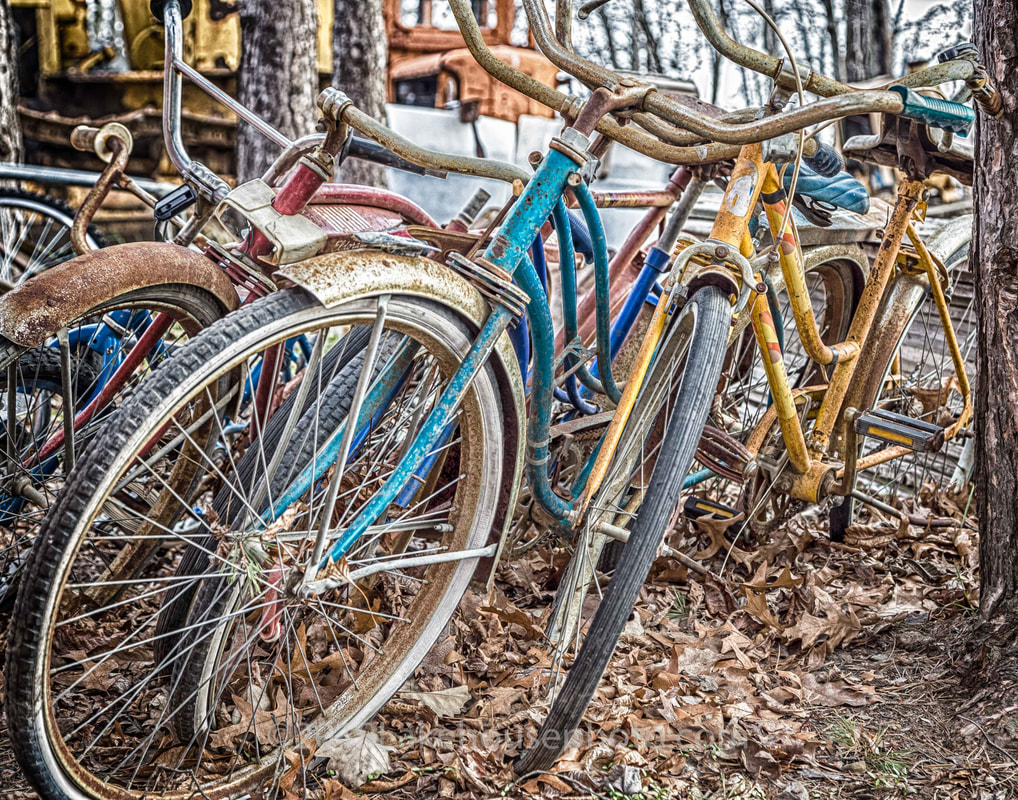 What are some of the most unusual or surprising places you've found good subjects? I love old abandoned places. This is not unusual these days, as there is an entire genre of photography related to "abandoned places". However, it is where I am most surprised and intrigued. First, my storyteller's mind is intrigued by the possibilities of why a thing or place was left behind. Second, I am surprised by what is left behind. A girl's saddle shoe, the curtains, an apron over a bed frame, a lifetime of someone's greeting cards scattered upon the floor, a woman's purse, and so on and so on. Some images are heartbreaking, yet oddly beautiful. 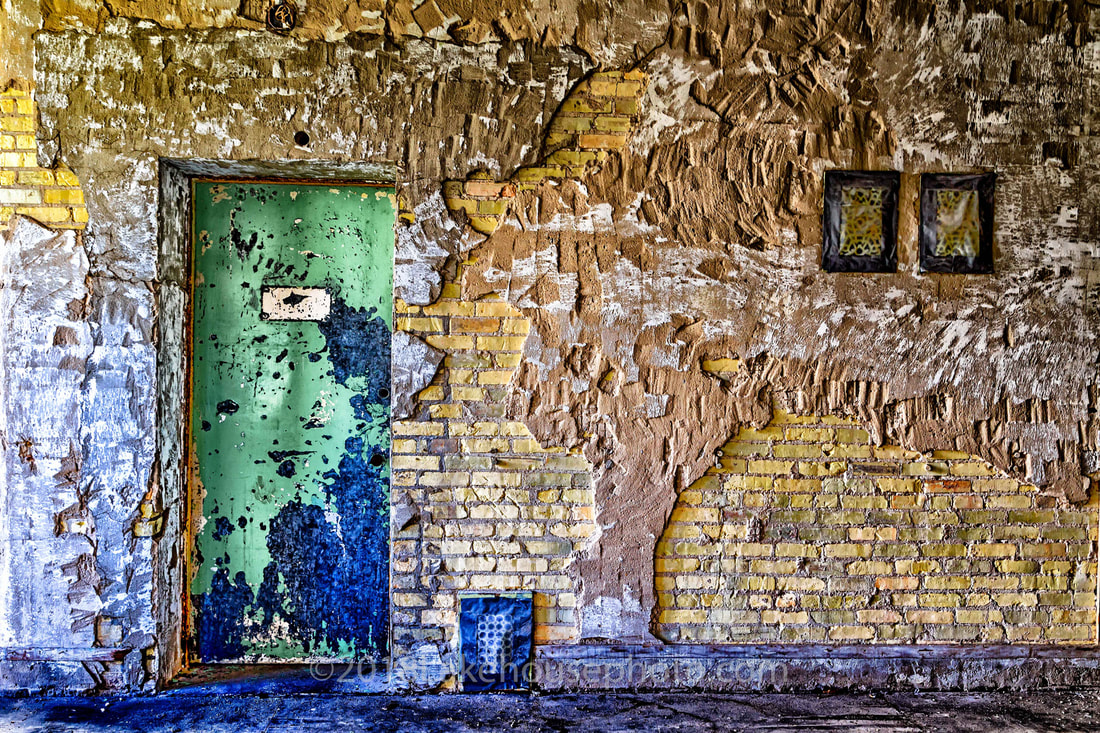  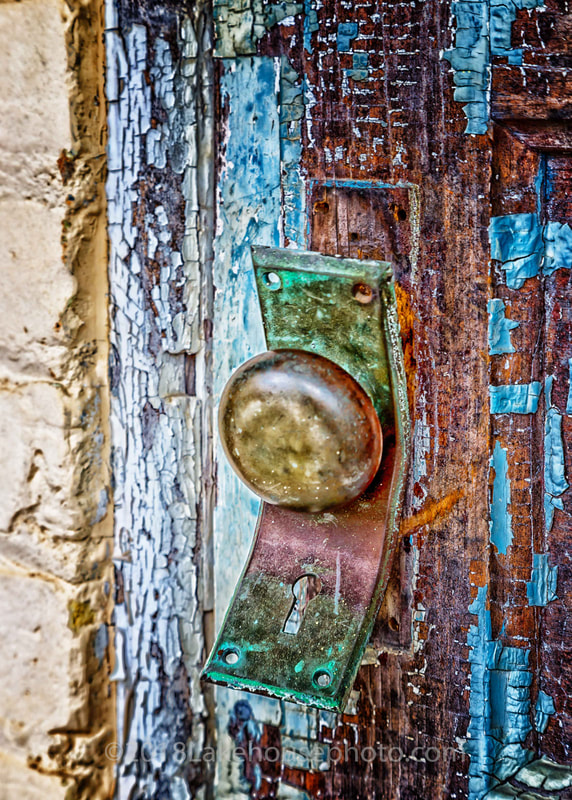 I was surprised to read, in the text on the back of your 2017 calendar, that you started out with little or no confidence in your skills as a photographer. What helped you grow and develop confidence in your abilities? I have always had an eye for composition, but I thought my photography was ordinary. Honestly, it was my friend's comments on Facebook that made me believe I might have something more than snapshots. Then Renae Wallace, a painter from Fremont, Michigan, began asking me if she could paint some of my images. Of course, I was shocked, honored, and so pleased. That eventually turned into our exhibit at NCCA - Artsplace: Of Time, Transition and Reflection. Words cannot even begin to describe how wonderful that experience was. Renae is a gem. A dream came true when Lindsay Isenhart said yes to the project. Everyone at Artsplace was incredibly supportive. Faune Benson Schuitema even helped me pick all the materials to frame and mat my work. The community came out in earnest to support both Renae and me. It was then that I knew I was on my way and felt like a real artist. 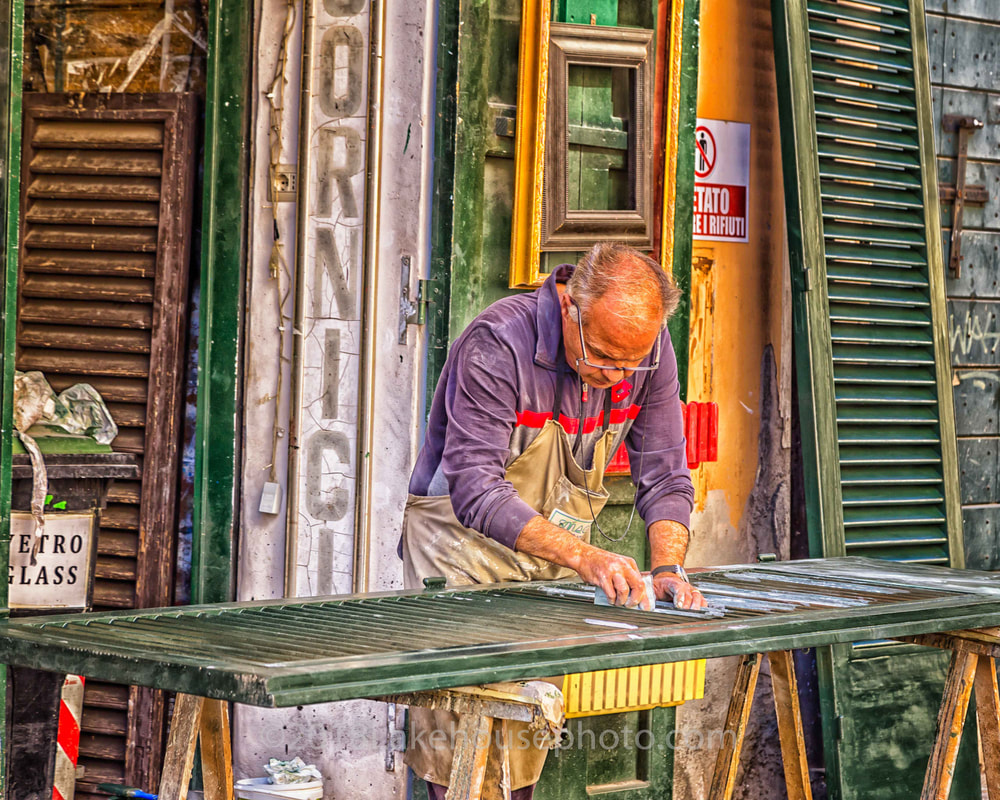 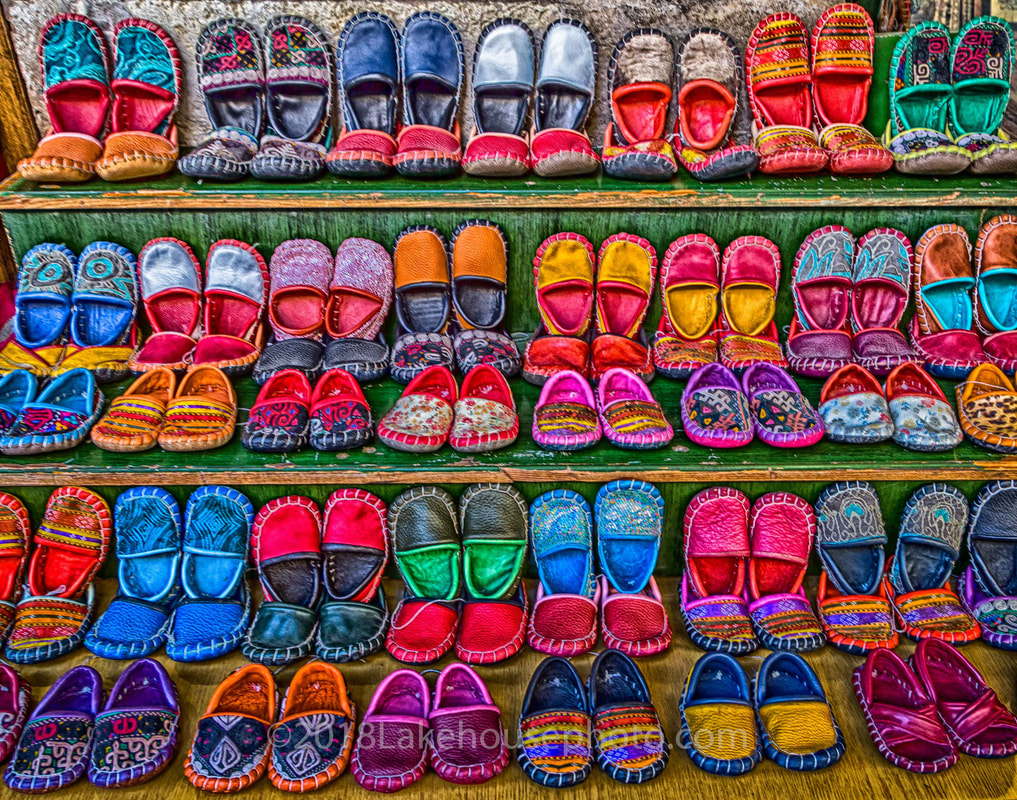 How have your techniques and approaches to photography changed over time? My technique improved once I learned more about all the settings on my camera. Instead of just taking a shot and hoping for the best, I learned how to set the camera for the best capture. Additionally, I started shooting in RAW versus JPEG and picked up a couple of higher-quality glass lenses. I learned Lightroom and Google NIK for editing. I do have Photoshop, but have not yet learned it. Perhaps this year. My approach is different, as I take more time with setup and take fewer images versus taking too many images and then sorting through for the best one. That was very time-consuming. I also ask for opportunities to photograph things that interest me. In the past, I would miss many opportunities because I was too shy to ask. 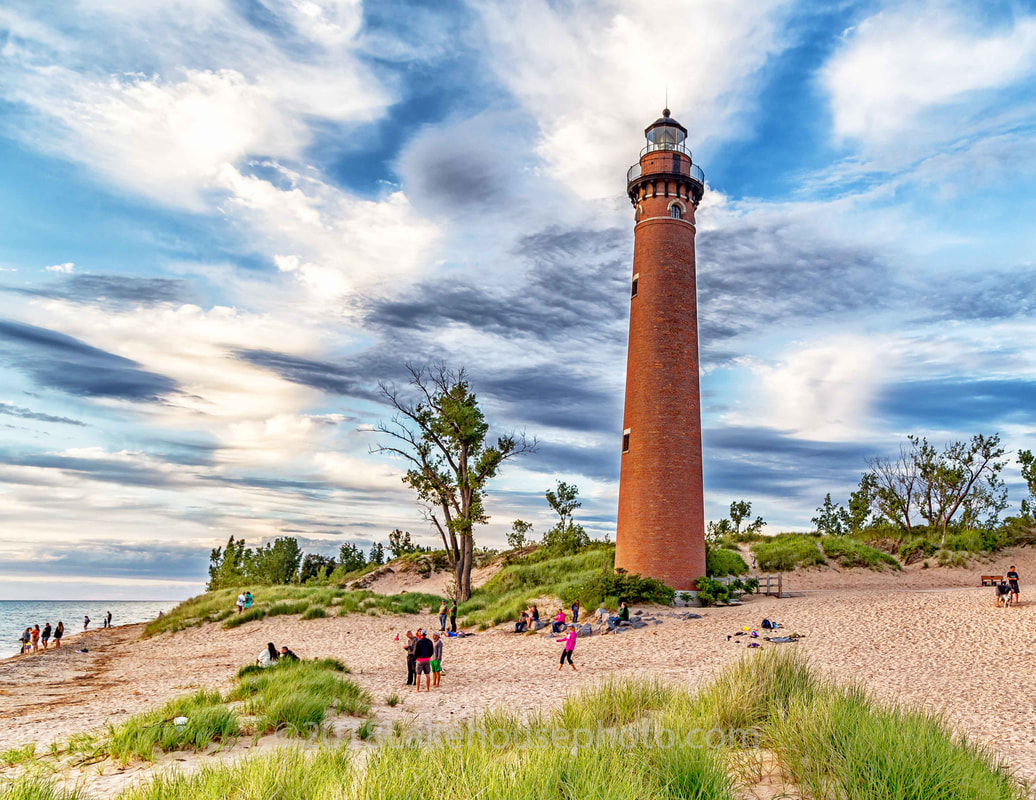 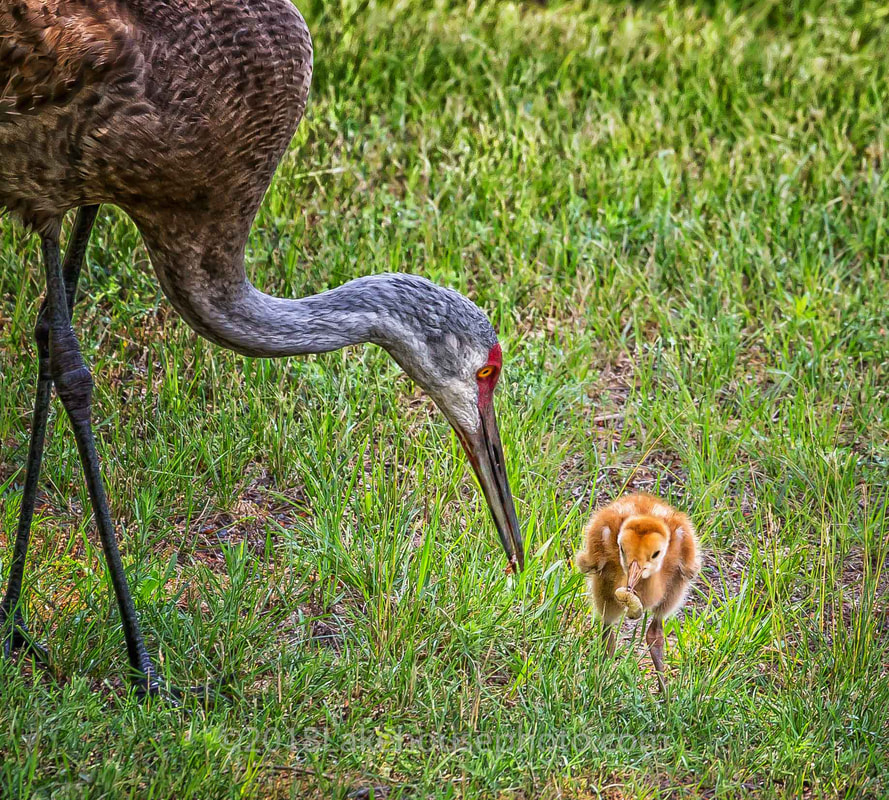 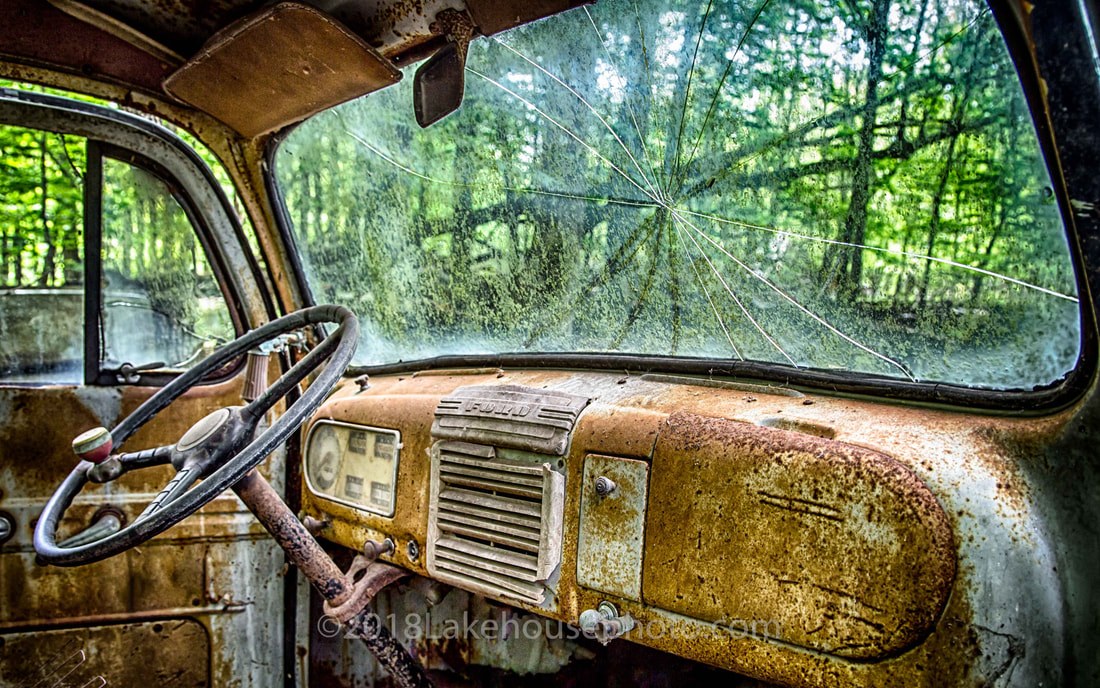 This year, you're donating profits from your calendar sales to Mel Trotter Ministries. How did you come to be involved with the organization? I worked as a practice management software trainer for Patterson Dental. When Mel Trotter Ministries Dental Clinic purchased the software, I became their trainer. Over the years, I would occasionally be called upon for follow-up training. I felt at home with this group and felt strongly that their mission was important. I was moved by their conviction to help and I would think, if I ever left my job I would want to be part of this. In early 2016 I began to feel more and more unsettled in the career I had loved. As the year progressed, I found myself thinking more about photography and writing and less and less about my job. One day when I was training the dental staff at Mel Trotter, I mentioned to Janice Keesman, Director of Clinics, how I was feeling. I told her I was considering leaving my job to pursue my passion. I mentioned that if they ever needed help, I would still like to be considered. That resulted in many discussions, and finally a job offer. I work in the clinic three days a week and spend the rest of my time cultivating my life as an artist. 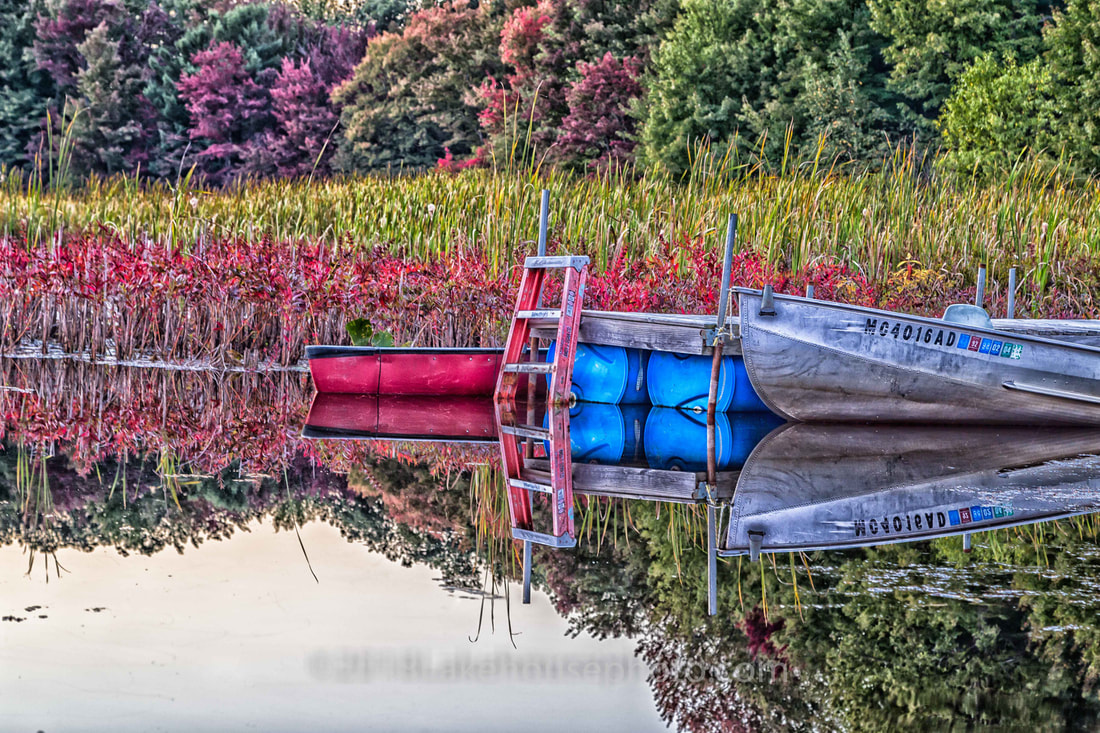 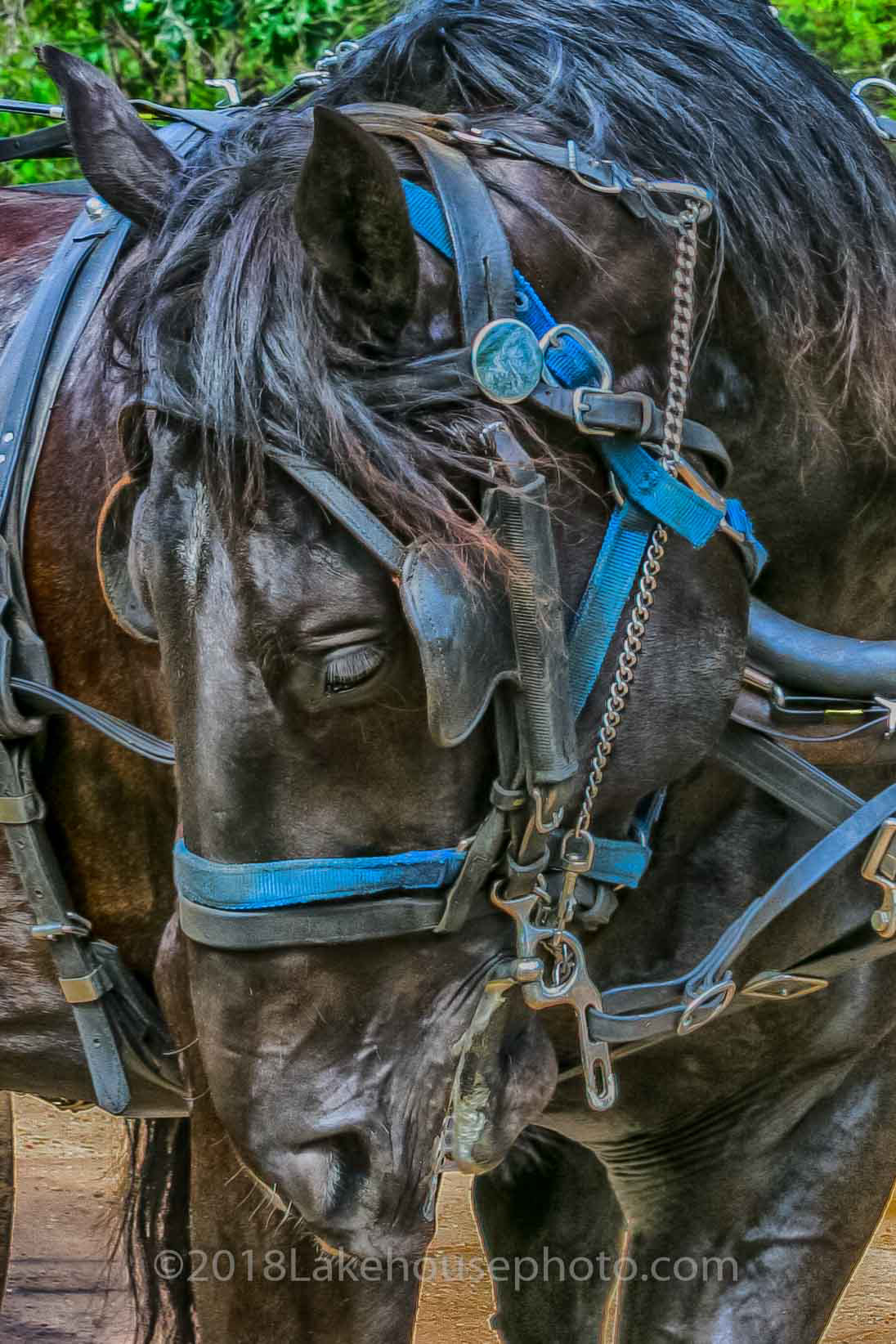 In addition to donating calendar profits, you're working on a photography and writing project for Mel Trotter Ministries. Tell us a little about that project—what you're doing and what you hope to accomplish with this work. This is truly a labor of love. The project is so important to me that I do it on my own time. Mel Trotter Ministries is an organization that serves the homeless. It provides overnight shelter, meals, residential programs, job training, counseling, the dental clinic, chiropractic care, vision, legal services, and so much more. The project was born soon after I began working in the dental clinic. Patients often said the same phrases to describe what was happening in their lives. They went like this: No one hears me. No one sees me. I am invisible. I thought perhaps I could help. With my camera and writing skills, I could give them a voice, a face, and increase public awareness of homelessness. Mel Trotter Ministries publishes my pieces on their website. I will be including the blog posts on my own site soon. Additionally, I would like to create an exhibit for ArtPrize and/or other venues to increase awareness. 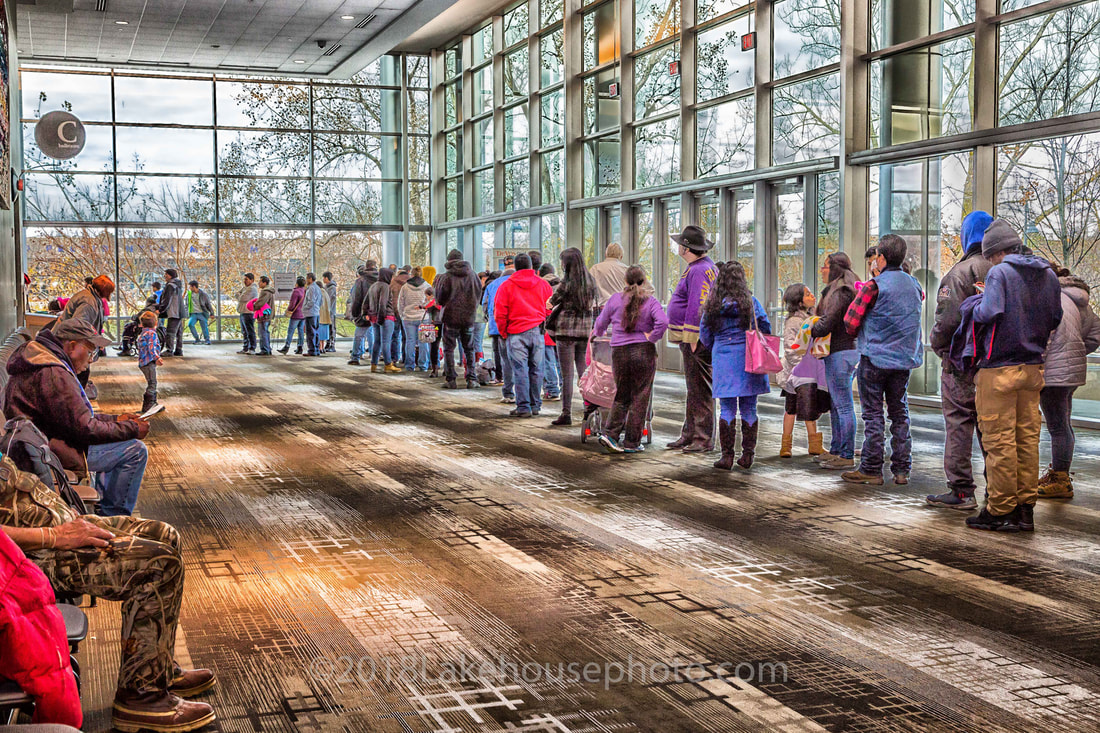 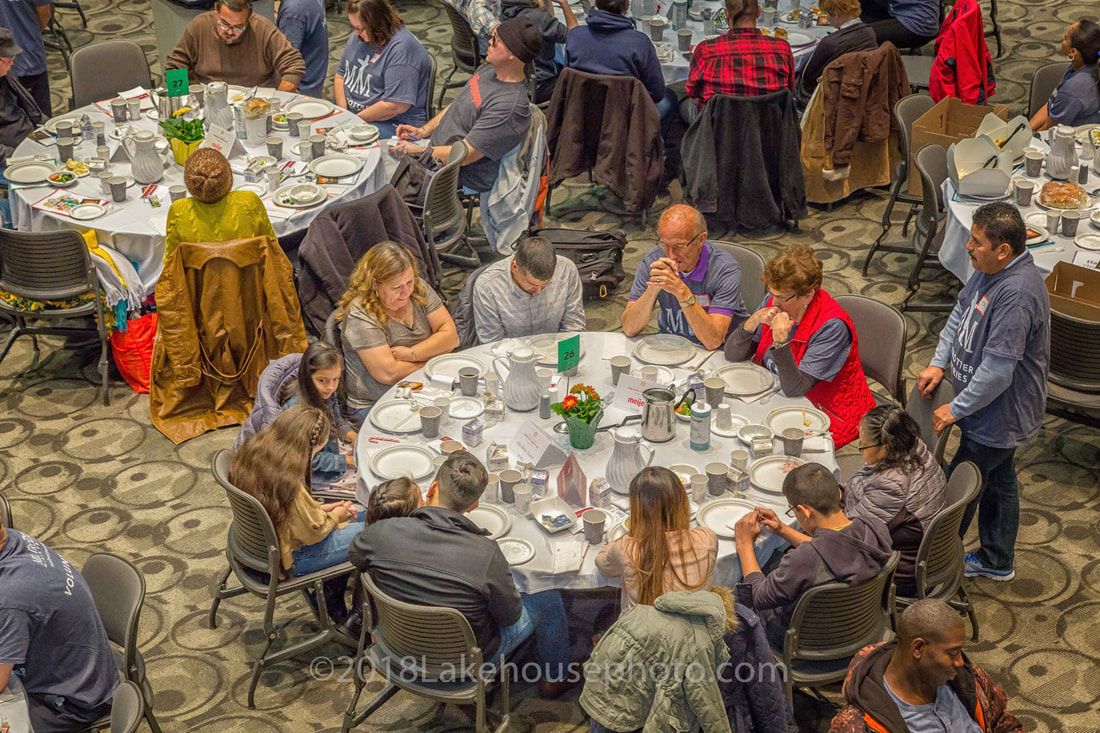 How has your work with Mel Trotter ministries affected you personally? As an artist? One cannot work at Mel Trotter and not be changed. First, it has deepened my personal relationship with God. It may sound quite absurd, but I did not expect this. I think the usual things you might think: I am more grateful, considerate and have deeper compassion. But, I would also say, I feel a bit more of a burden of responsibility in caring for those less fortunate. I find it difficult to leave the building between 4:30 and 5:15 pm. That sounds terrible, but I have a tender heart and my mind has a hard time wrapping my head around the extent of the issue of homelessness. That is the time when the homeless women check in for the evening. They wait in line and security goes through their sparse belongings before allowing them entry where they will receive a meal and bed for the night. I often see the same women day after day. There is no age limit. Some are very young and some very old. Some appear to be frightened, angry, resigned, and yet others quite joyful. And I wonder, where are their families, why does no one care enough to open their doors to these people, and what does the future hold for them? As an artist, I would say it has been a call to action. I am one person. What can I do? I can and will use my words and camera to do whatever I can to help. 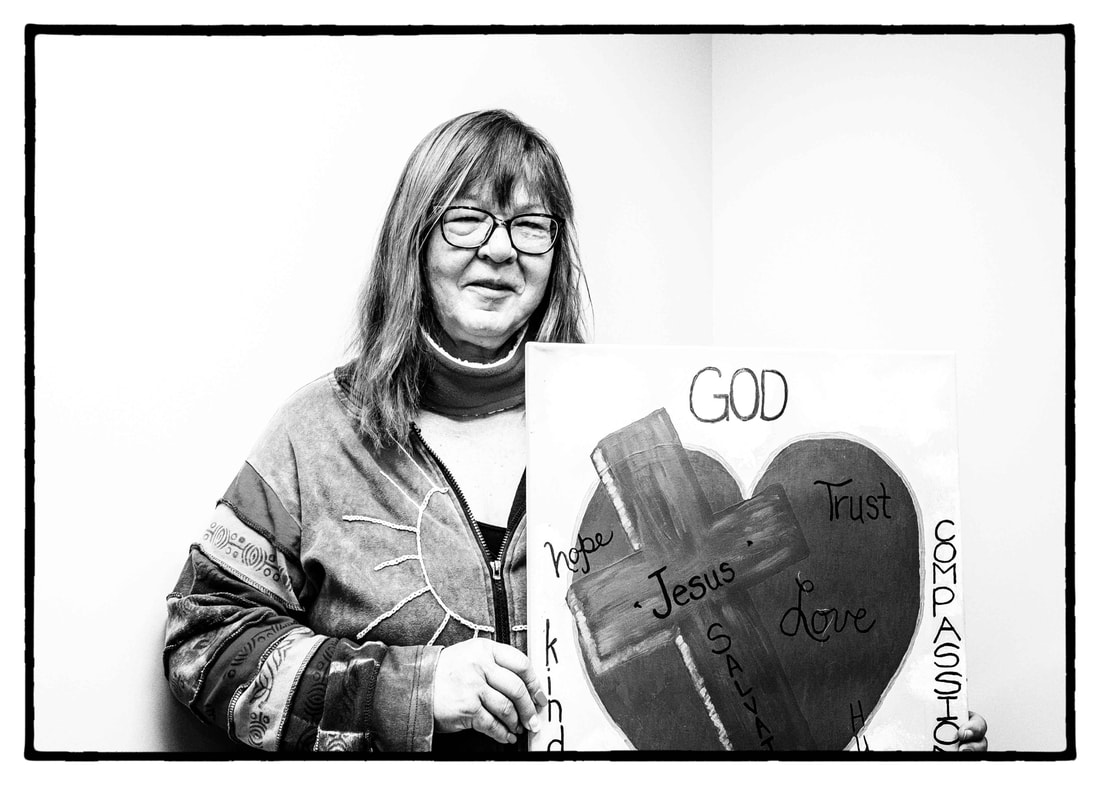 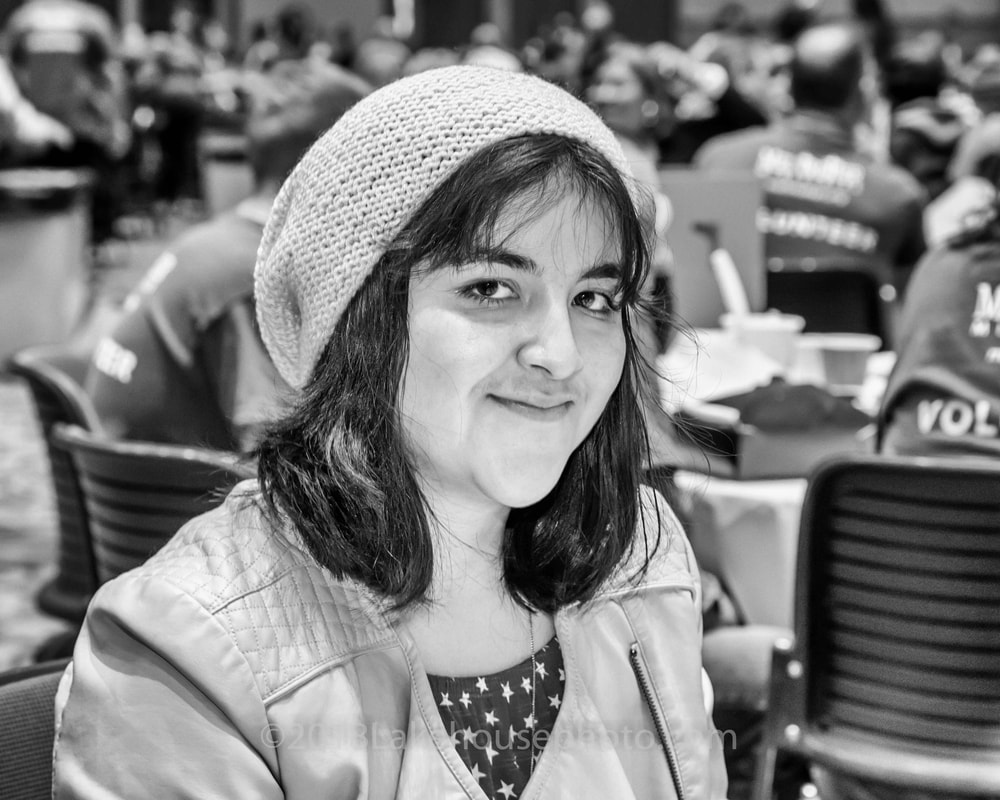 The photos of yours that I've seen in galleries and on your calendars have focused mainly on places, objects and wildlife/nature, and not as much on people. Your new work with Mel Trotter Ministries is all about people. Is this a new direction for your work overall, or just for this particular project? I like photographing people, but not in a studio setting. Lighting with flashes, reflectors, and the use of backdrops is a mystery to me. The project at Mel Trotter is an extension of something I started in November of 2016. I began asking people to think about for what they were most grateful while I photographed them. I used the light that was available and processed the images in black and white. The result is a very raw image. Some people cried while others beamed radiantly. The first person I photographed for the gratitude project taught me that what I was asking was not a minor request. I was asking people to become vulnerable and to bare a part of their soul. I am grateful to those who participated. To be allowed a look into someone's soul is an honor and needs to be treated respectfully. This is what I hope to bring to the Mel Trotter Project. 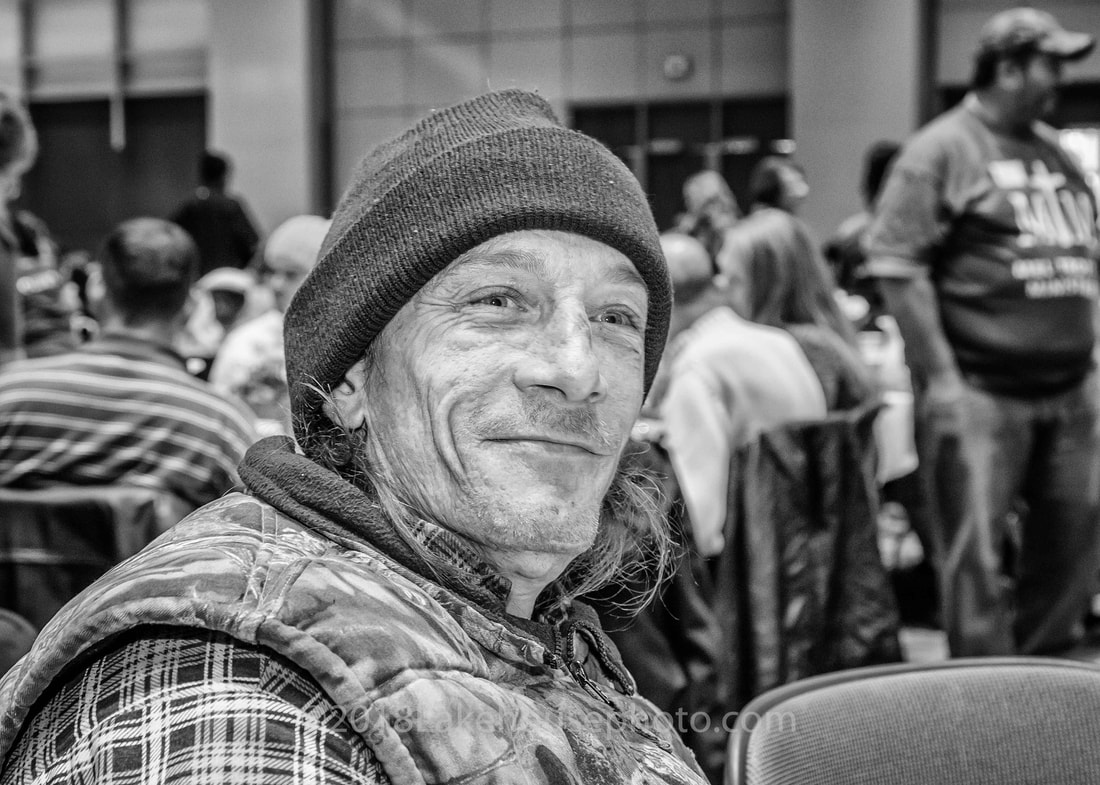 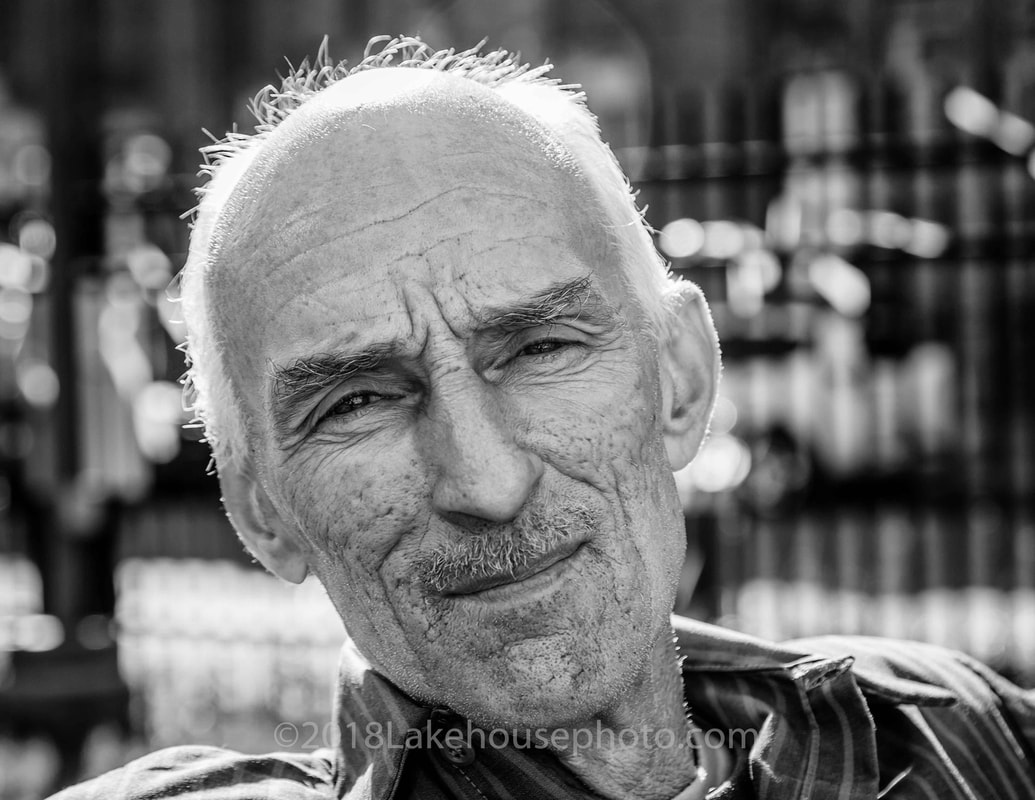 What directions do you want to go with your photography in the coming year? I would like to pair writing with my photography more often. I will definitely be reviving my neglected blog. The folks at Mel Trotter have asked me to also photograph and write about the volunteer of the month and have begun asking me to photograph events. I am hoping that Renae Wallace and I can begin another collaborative project soon and am open to collaborative projects with other artists, but there is nothing in the works. Perhaps this is the year that I will finally learn Photoshop. 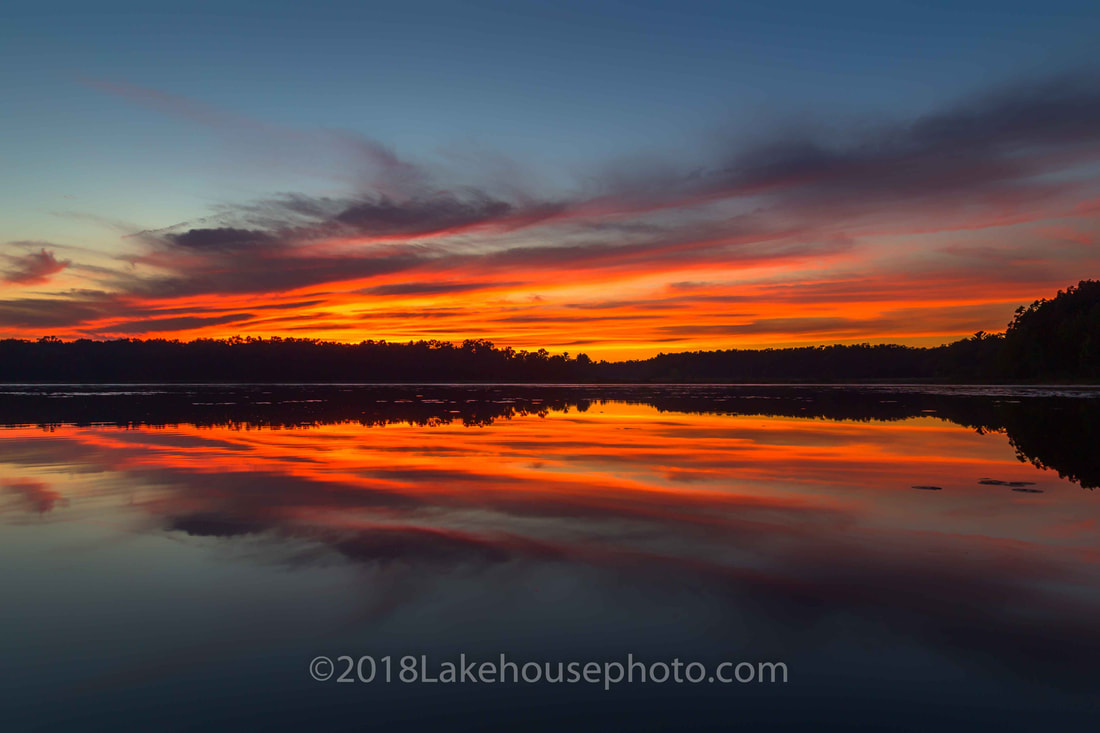 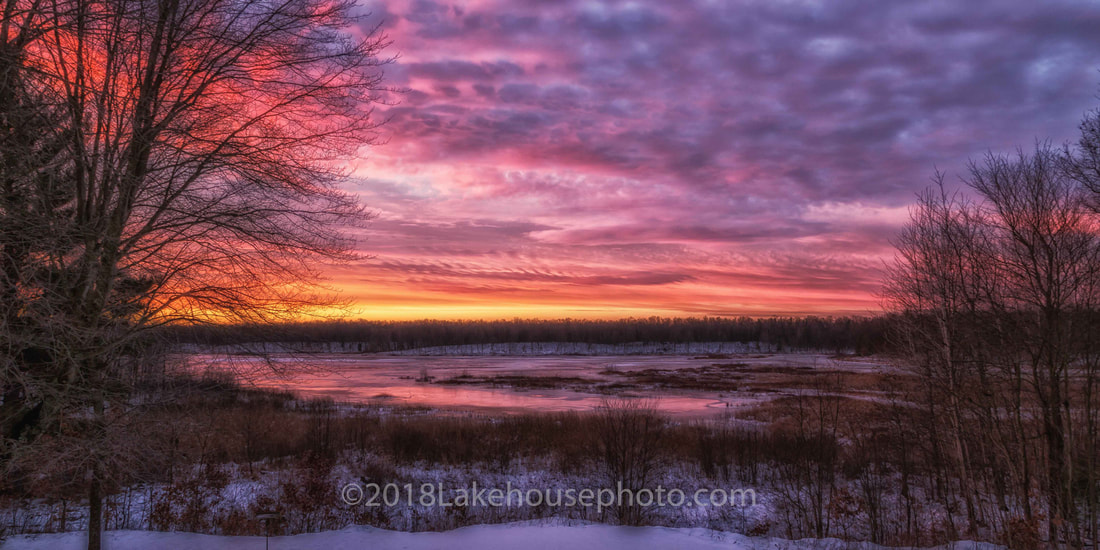 Anything else you'd like to add? My work is available at NCCA - Artsplace in Fremont and at MB Woodworks & Company and Market 41 in Newaygo. Online I can be found at:
http://www.lakehousephoto.com/ https://www.instagram.com/livingatlakehouse/ http://www.lakehousecc.com/blog/. I am also starting a small gallery by appointment at my home in Holton.
16 Comments
Get your feet off the coffee table, and put on your best manners—we have company today. It's local author Janet Glaser, who writes as J.Q. Rose. She's swinging by on a blog tour to spread the word about her newly-released mystery, Terror on Sunshine Boulevard. I met Janet/J.Q. through the writers' group at Fremont Area District Library, and I've enjoyed reading her imaginative stories (and indulging our mutual weakness for ice cream). Terror on Sunshine Boulevard is one of my favorites. Here's a quick word from J.Q., followed by a Q&A. More details about her and her books can be found at the end of the post. 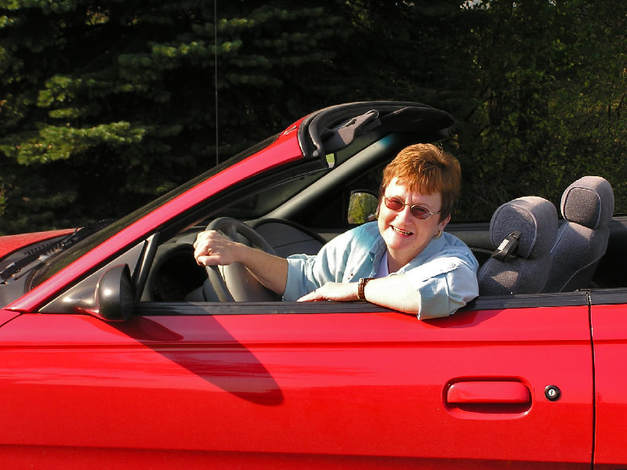 Thank you, Nan, for hosting me during the Terror on Sunshine Boulevard Winter Warm-Up 2018 Blog Tour. I look forward to visiting with you and your readers and to answering any questions asked of me in the comments. I hope you have a cup of cocoa ready to warm me up today. Readers: Please leave a comment below because a lucky commenter will win a PDF copy of Terror on Sunshine Boulevard. Winner will be drawn on Friday, January 19 at 9 p.m. EST. 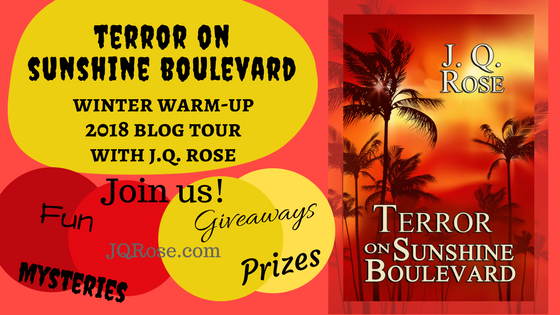 The usual image of a Florida retirement community is one of golf courses, swimming pools and craft classes, not the scene of heinous crimes. What made you decide to set your new mystery, Terror on Sunshine Boulevard, in such a place? I chose this setting because the scene one pictures of a retirement community is exactly what you describe--a place where people who have worked all their lives have a chance to enjoy the good things in life. I love the juxtaposition of the bright fun-in- the-sun feeling with the darkness of murder and mystery. Even the title includes the contrasting views—terror and sunshine. What goes into creating a believable character in a work of fiction? I base my characters on real people in my life. We meet many interesting folks in our travels. And I might add, there are some real characters in Michigan too! I take bits and pieces from personalities, gestures, accents, speech and put them together in one character. I also create the background story of the character to understand his relationships with other characters and his motivation for doing something like stealing, cheating, even murder. All of that information, such as his favorite color, is not spilled out on the page for the reader. The more I know about the character, the more believable he’ll be. 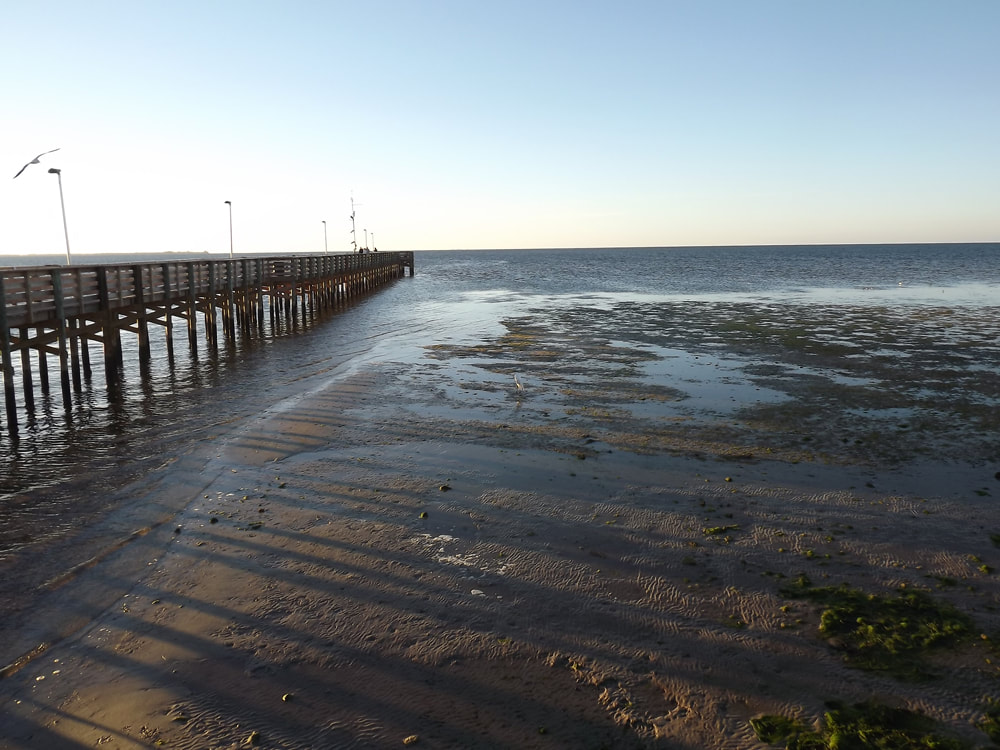 Tarpon Springs, on central Florida's Gulf Coast. (Photo: Janet Glaser) Tarpon Springs, on central Florida's Gulf Coast. (Photo: Janet Glaser) How big a part does setting play in your stories? Does the setting ever become a character? In all of my stories the setting is very important. I have mysteries set in the retirement community, a church, and a funeral home. Each location is a message to the reader to understand the reason for the drama within the pages of the book and to set the mood for the scenes. Often the twist comes when a character doesn’t fit into the setting. I think the setting is an element in the story, but I’ve never thought of it as a character. I guess we need to discuss the definition of the character. Without giving away too much of the story, I think it's safe to say that Terror on Sunshine Boulevard deals with the intersection of nature and civilization, and the conflicts that arise as a result. Is this an issue that concerns you in the real world? Yes. I’m concerned watching “civilization” encroaching on the natural habitat by paving over acres of ground that is home to many animals and native plants. Developers tear out huge areas of property to build malls and subdivisions. Roads and highways cut through ancient areas, disturbing the trails and habits of generations of animals. No wonder wildlife raid garbage cans in subdivisions. Their food supply is no longer available because the homes are built in their habitat. The natural environmental balance is disturbed and the animals’ survival is at risk. We must be better stewards of our resources. 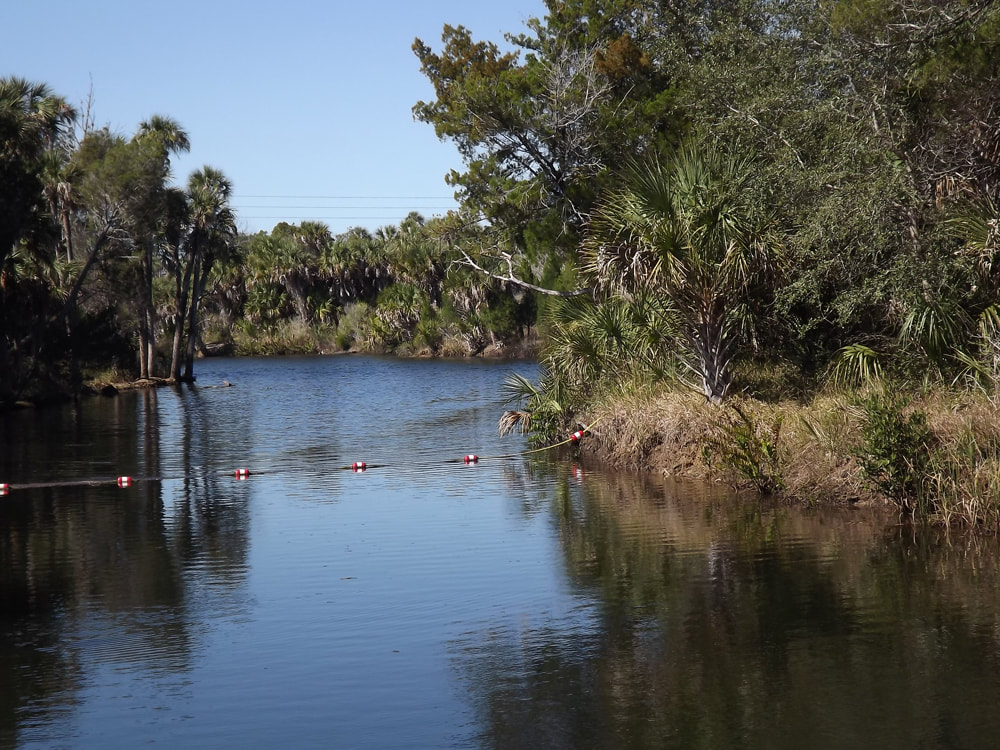 River at a park in Weeki Wachee, where J.Q. and her husband go to watch manatees. (Photo: Janet Glaser) Another theme in Terror on Sunshine Boulevard is the contributions seniors can make to society. Do you think seniors' gifts are underappreciated? I think many folks believe retirees are no longer useful to society. Don’t believe that! They have not been put out to pasture. A vibrant new chapter opens for them. Seniors have skills and talents polished by their life experiences. They are assets to their communities in many ways and guides to warn the young’uns about their mistakes and to show them how they have triumphed. They are storytellers when they share family stories around the dinner table as the kids sit enthralled learning about the funny, crazy uncle or the accomplished pianist in the family. Seniors are eyewitnesses to the world and our country’s history and will not allow anyone to slant the truth for their own purposes. You've been a teacher and a business owner. What led you into writing, and into writing mysteries in particular? To tell the truth, I was a writer way before being a teacher or entrepreneur. I actually started writing stories in second grade and I never stopped. I’ve had mentors and supporters along the way encouraging me to keep writing. First was my Grandmother Maw and teachers. Judy Corey and Mary Zuwerink started the North Country Writers many years ago. Esther Jiran (who writes as Joselyn Vaughn) was the force behind starting a writers group at the Fremont Library. I met many folks excited about writing there including you, Nan. Also a critique group of talented authors not only helped me brainstorm story ideas, but also encouraged me to submit my first story to publishers which resulted in signing a contract with a small publisher. Esther, Wendy Sinicki (pen name W.S. Gager), Theresa Grant (Tess Grant), and Nan continue to be important advocates in my writing life. After we sold our flower business in 1995, I had time to sit down and write. So I did. I asked Rich Wheater, editor of our regional newspaper, if he could use a few stories for the paper. He said, “Go ahead.” I learned a LOT from him and branched out into writing freelance articles for magazines, newspapers, and online magazines. After reading Sue Grafton’s alphabet mysteries and Janet Evanovich’s funny mysteries, I decided to tackle fiction. And I’m glad I did! 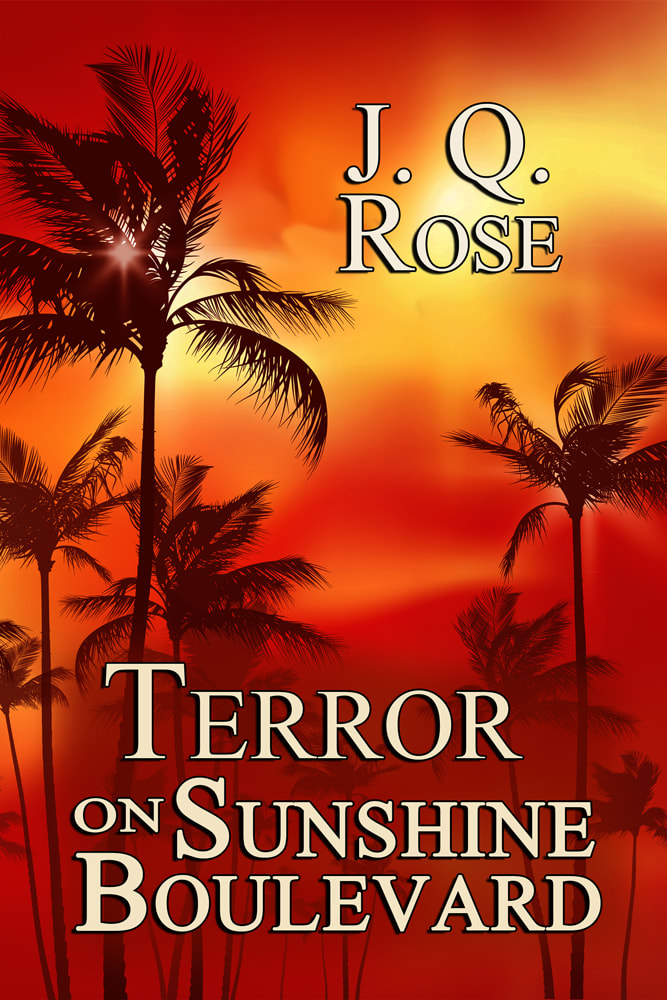 Cover of Terror on Sunshine Boulevard What have been the biggest challenges in becoming a published author? I’ve discovered writing the book is the easy part. After publishing comes the difficult job of promoting the book. I spend many hours a week, every week, on Facebook, my blog, and guesting on blogs to get the word out about the books and urging folks to review my books. Reviews get the attention of Amazon so they promote it; the review helps readers decide if it’s a story they would enjoy. You divide your time between Florida and Michigan. Do your writing habits and routines change with a change of location? Yes. Daily routines change, but I learned I had to schedule an appointment with J.Q. Rose to sit down every day and write for half an hour or more. No marketing, no emailing. After lunch, I put on my author cap and write no matter if I’m up north or down south. 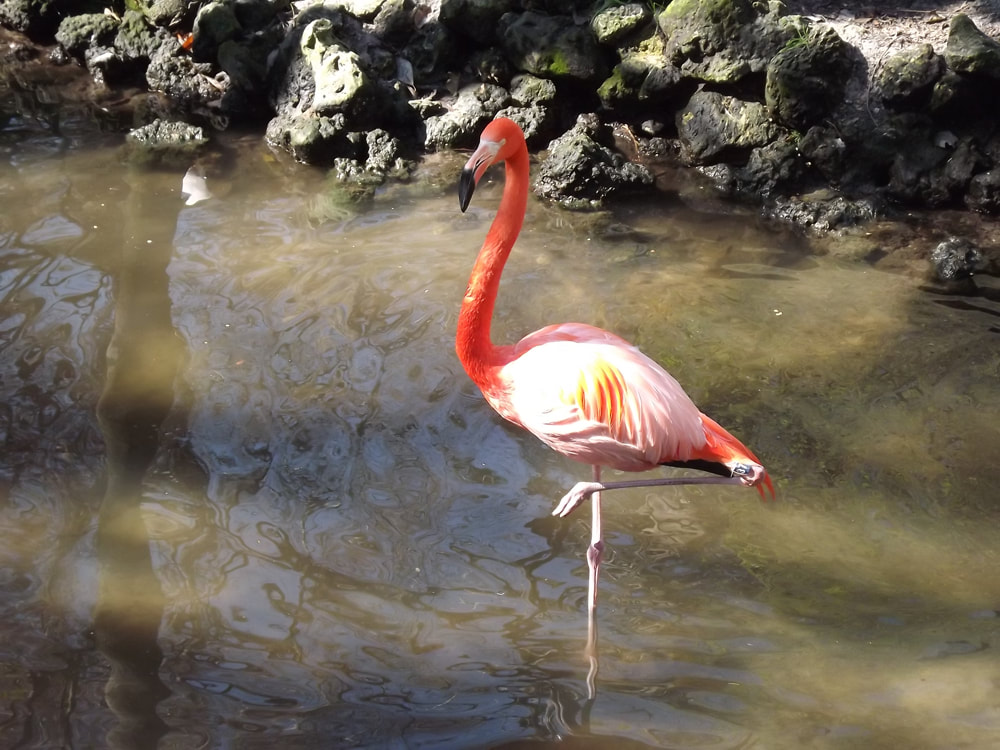 Florida icon (Photo: Janet Glaser) In what ways besides writing do you exercise your creative muscles and find contentment? I take photos—of everything! I love capturing people, places, things, a tricky bee landing on a flower. I also enjoy “creating” quote graphics at canva.com using my photos. 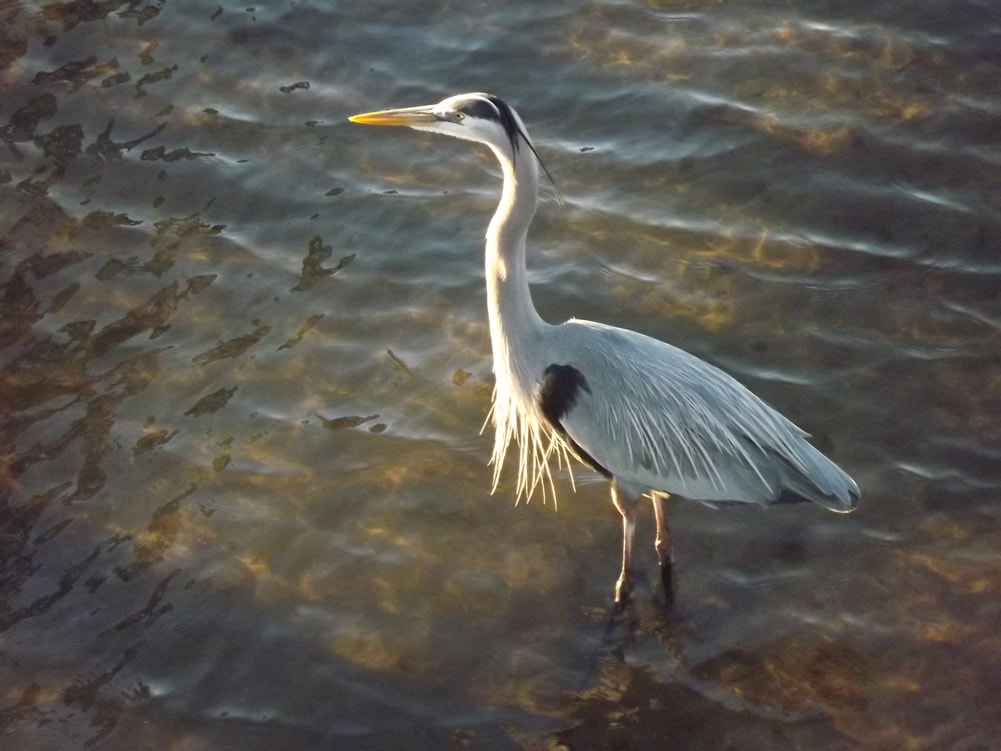 Avian visitor to Tarpon Springs (Photo: Janet Glaser) .Anything else you'd like to add? Yes. My mission is to encourage everyone to take time to write or record their life stories. So what if you didn’t discover a medicine to cure disease or help build a ship to fly to the moon? Your life is worthy because it can inspire others by sharing your experiences of overcoming obstacles, making mistakes or celebrating success. Your stories will allow generations of your family to get to know you and be empowered by your life story. I’m writing a memoir now about the first year we moved to Fremont and started our business. What an adventure. Do you have a story inside you to share? Go ahead and do it. Thank you for visiting today. Terror on Sunshine Boulevard Back of the Book: Rescuing a naked woman lying in a geranium bed or investigating mysterious murders are not the usual calls for first responder Jim Hart. He expects slip and fall accidents or low blood pressure emergencies in his retirement community of Citrus Ridge Senior Community and Golf Resort. The ghastly crime scenes turn the winter time fun into a terrifying season of death and mystery when the authorities cannot track down the predator responsible. Jim and his wife Gloria could escape the horror and grief by returning to their northern home, but concern for their friends and residents keep them in Florida. With the entire community in a dither over the deaths, the Harts participate in the normal winter activities of golfing, dancing, and pool parties with their friends to distract them from the sadness and loss. Can Jim and Gloria work with the authorities to discover who or what is killing the seniors on Sunshine Boulevard and stop the increasing body count? Terror on Sunshine Boulevard is available for purchase at these digital booksellers. About J.Q.
After writing feature articles in magazines, newspapers, and online magazines for over fifteen years, J.Q. Rose entered the world of fiction. Her published mysteries are Deadly Undertaking, Dangerous Sanctuary, and Terror on Sunshine Boulevard, released by Books We Love Publishing. Blogging, photography, Pegs and Jokers board games, and travel are the things that keep her out of trouble. She spends winters in Florida and summers up north camping and hunting toads, frogs, and salamanders with her four grandsons and granddaughter. Connect with J.Q. Rose online at J.Q. Rose blog Books We Love Author Page Goodreads While I'm taking a break for relaxation and recreation, I've invited some of my fellow bloggers to fill in with guest posts. This week's is from scientist and author Mark L. Winston, who blogs at The Hive. Mark's story takes place in a scientific setting, but I think you'll agree that the underlying message applies to all sorts of situations in life. Everything I Know I Learned From Hermit Crabs |




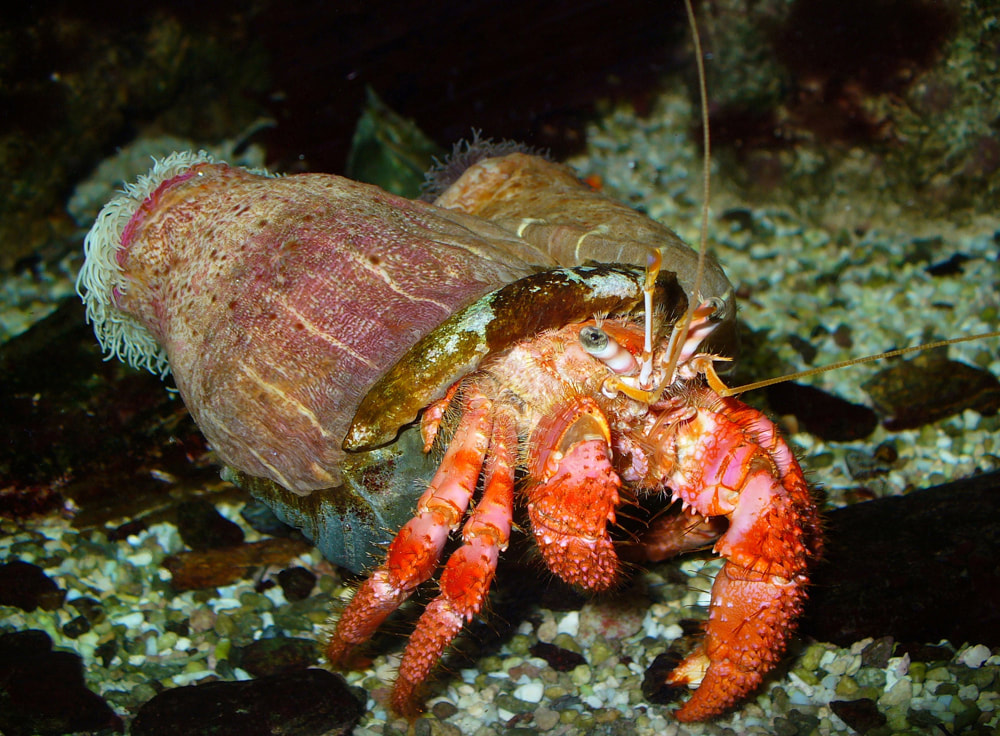
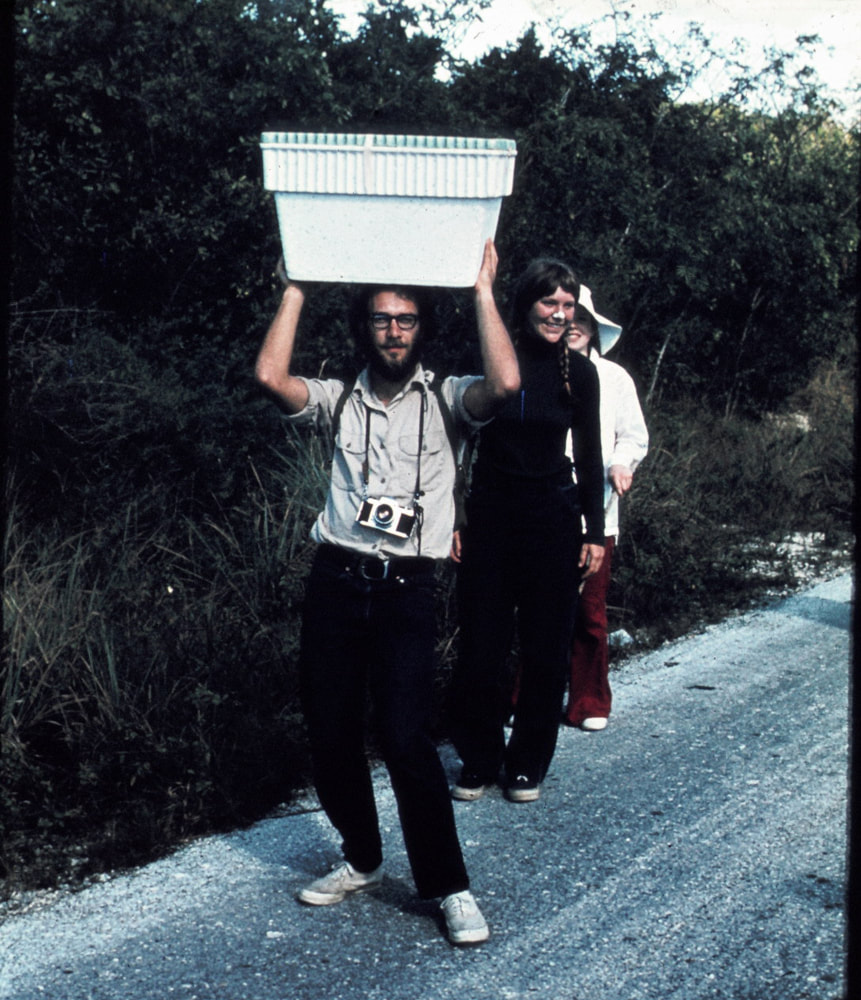
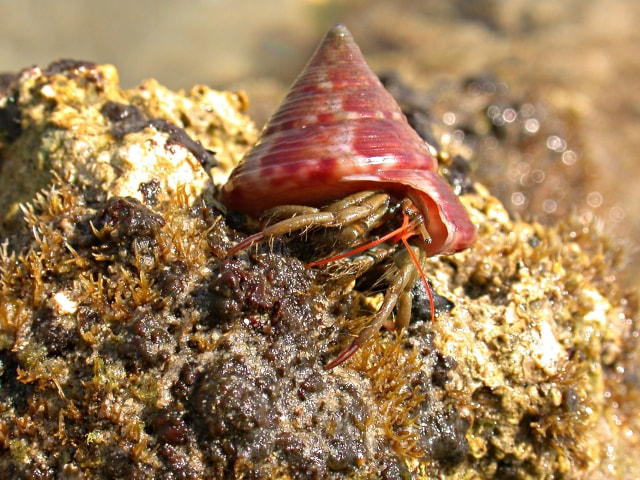



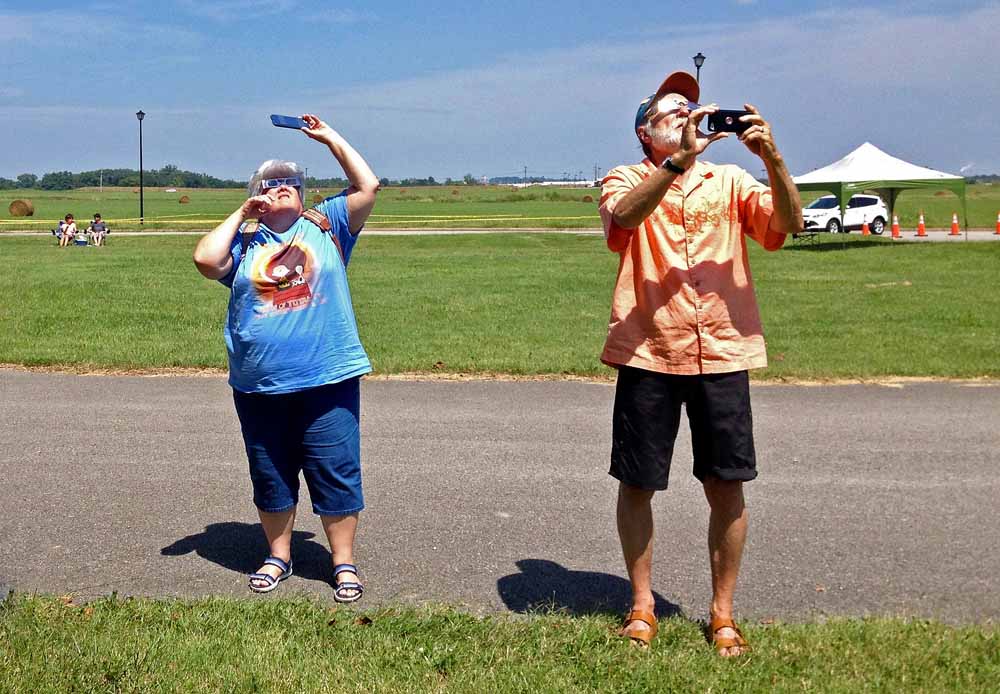
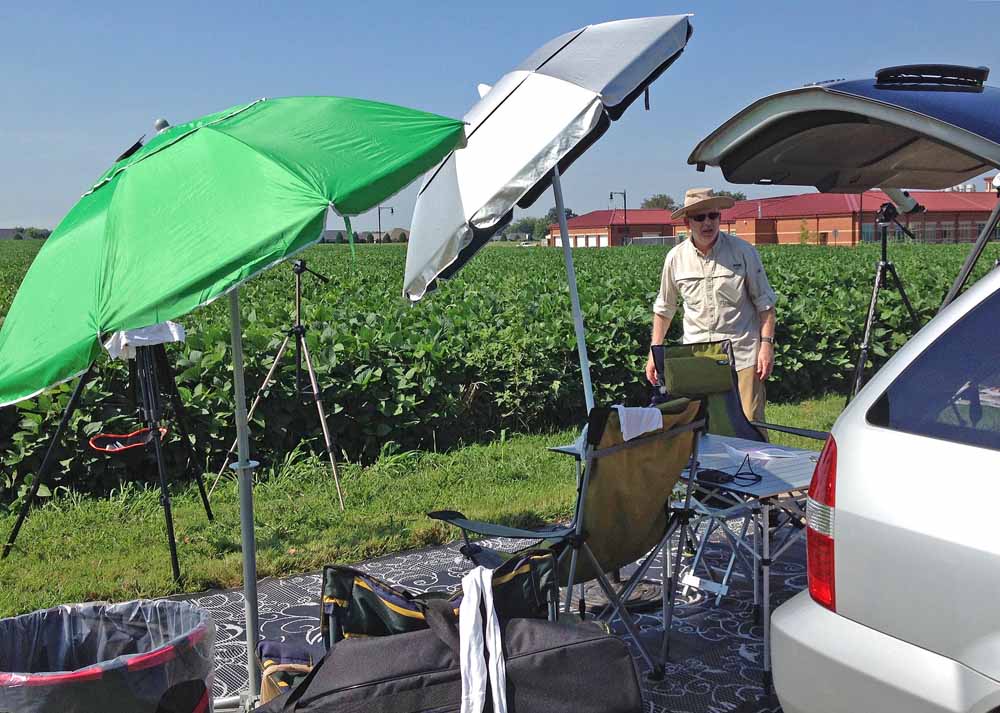
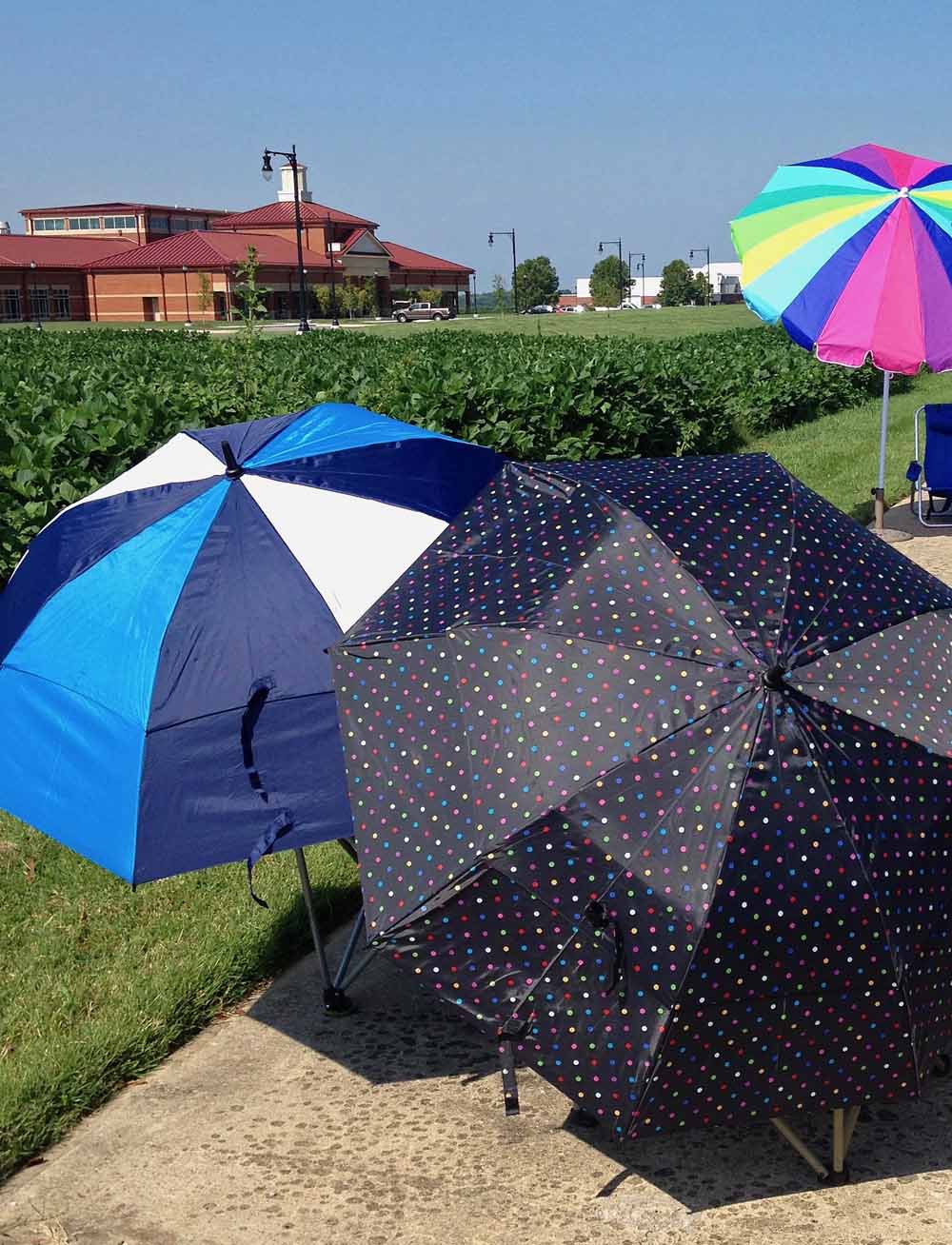
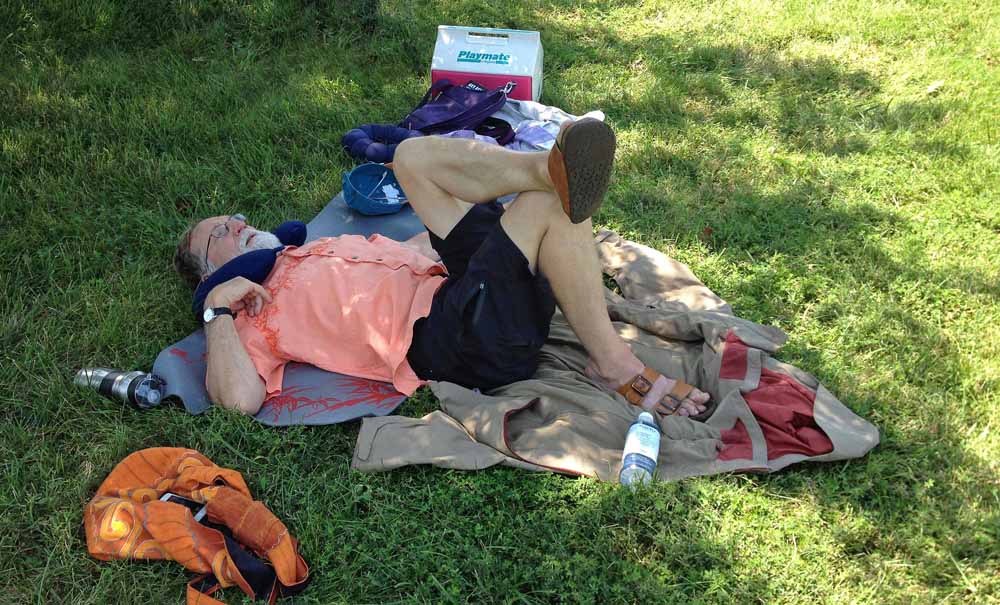
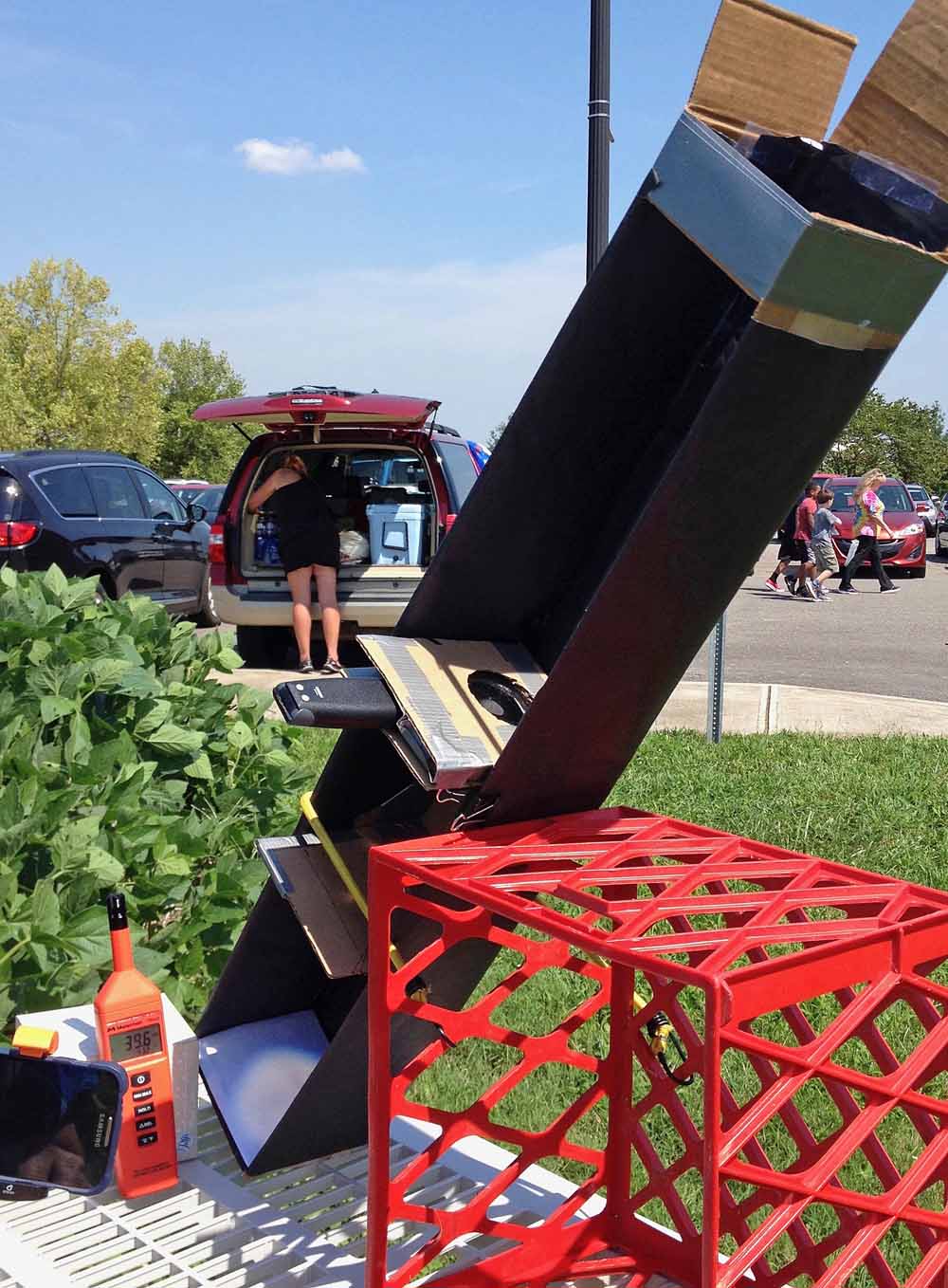
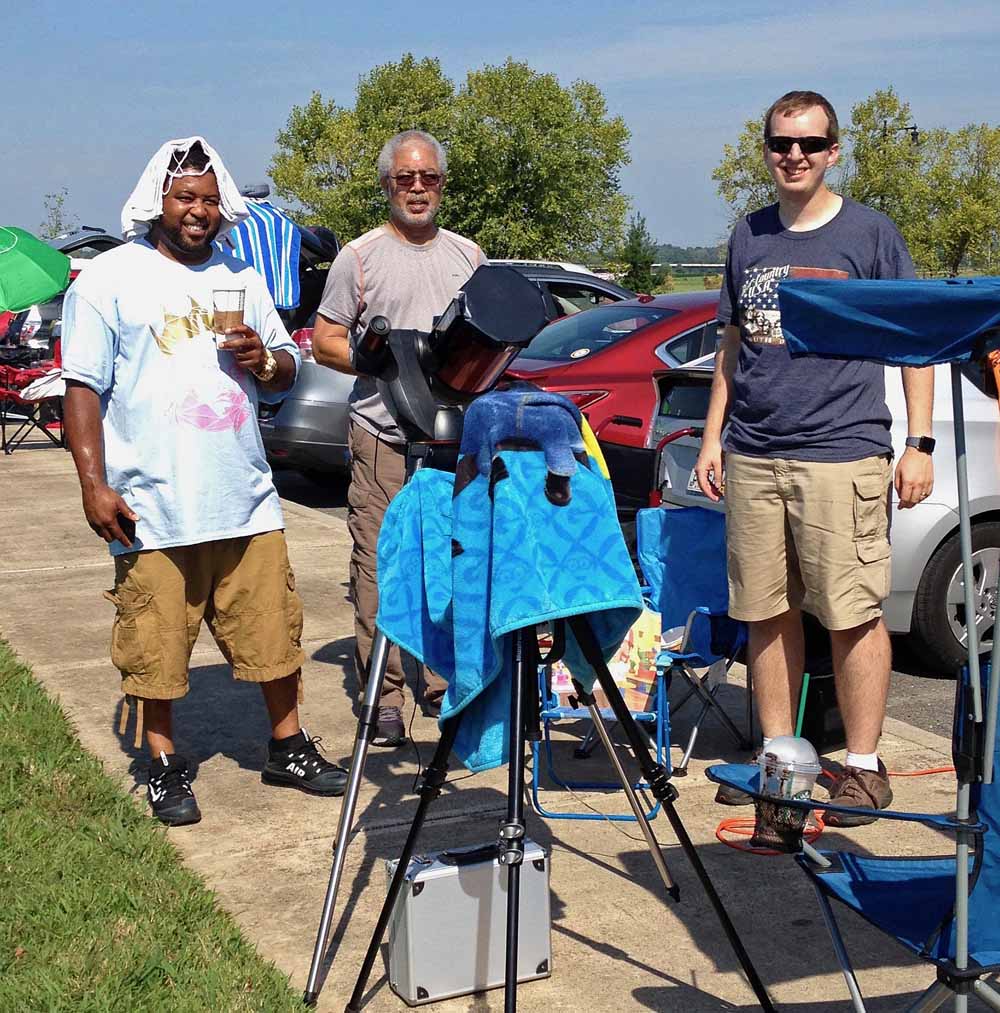 Ready with a camera set-up (Photo by Sally Kane) | 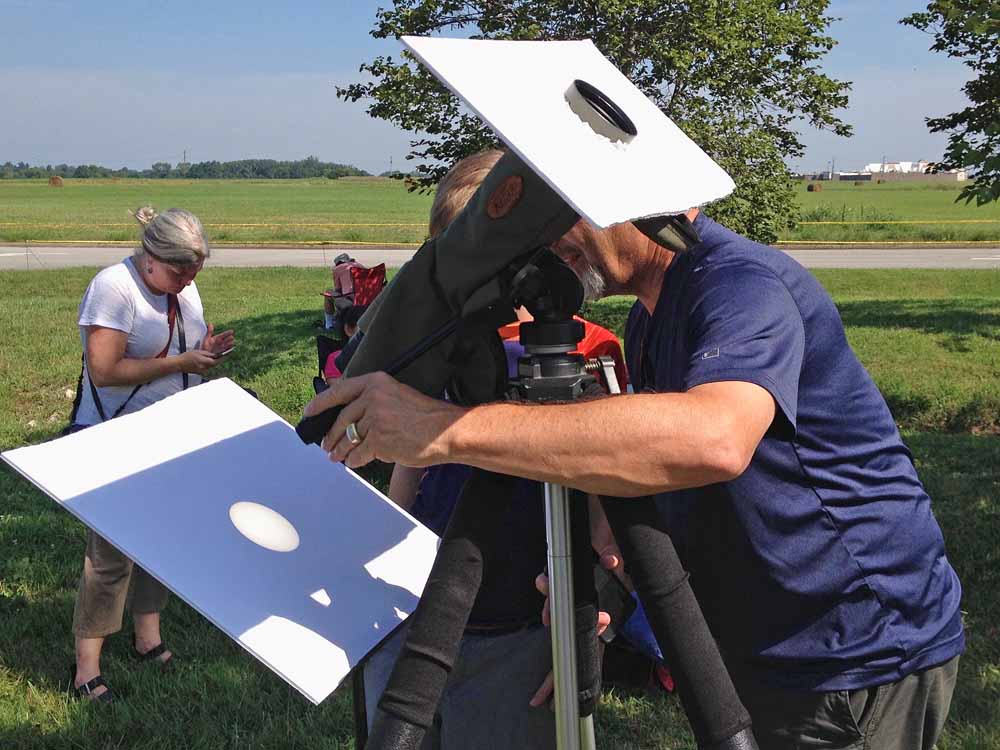 Another eclipse-watching contraption (Photo by Sally Kane) |
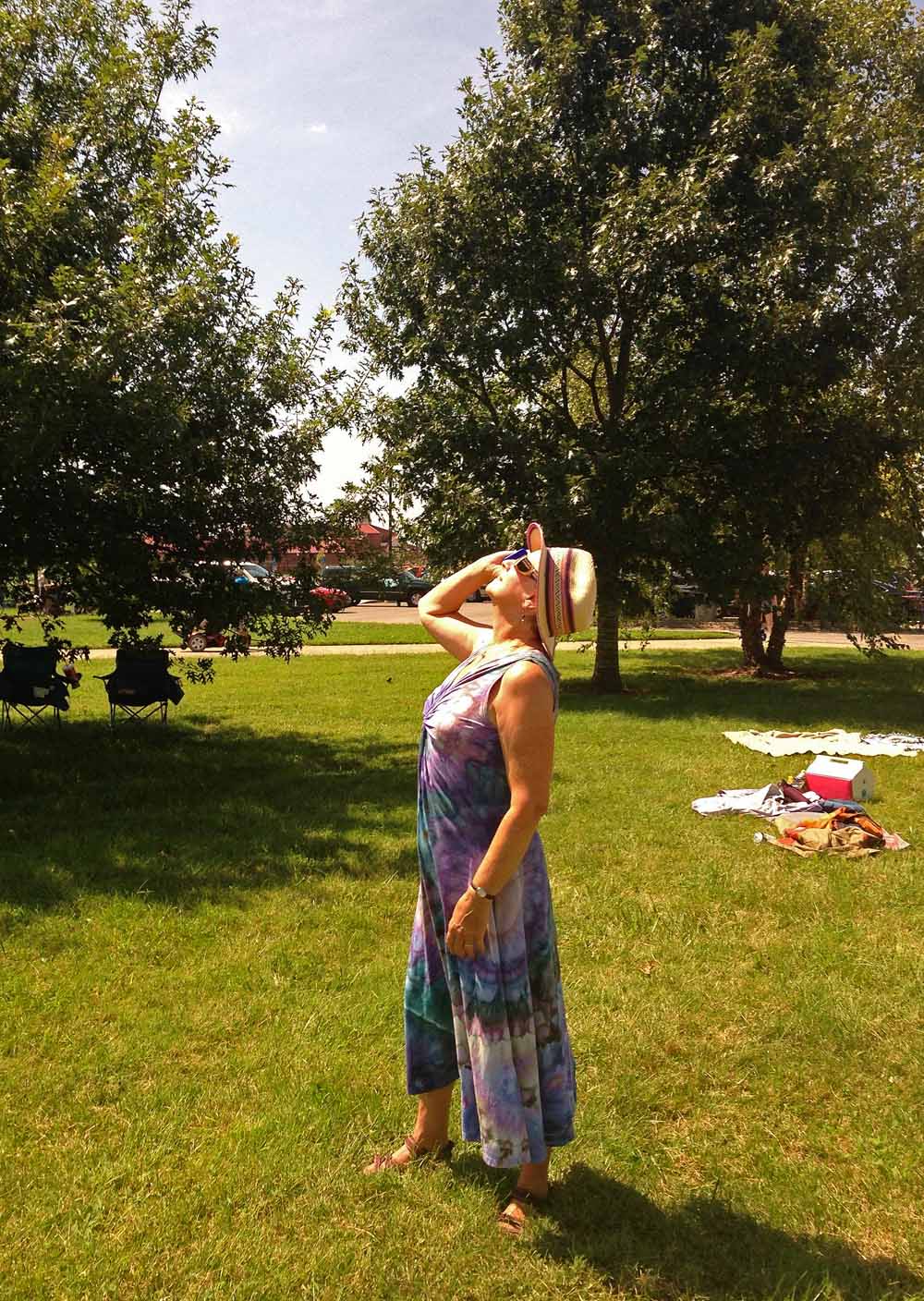 Sally checks the sky (Photo by Mark Kane)
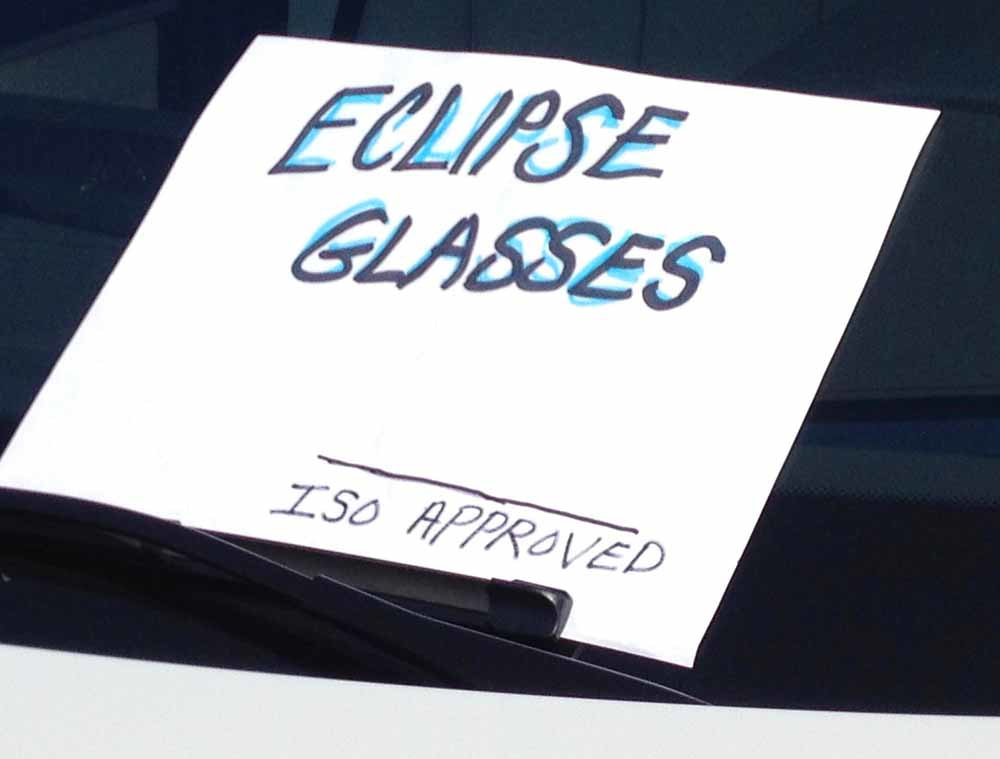
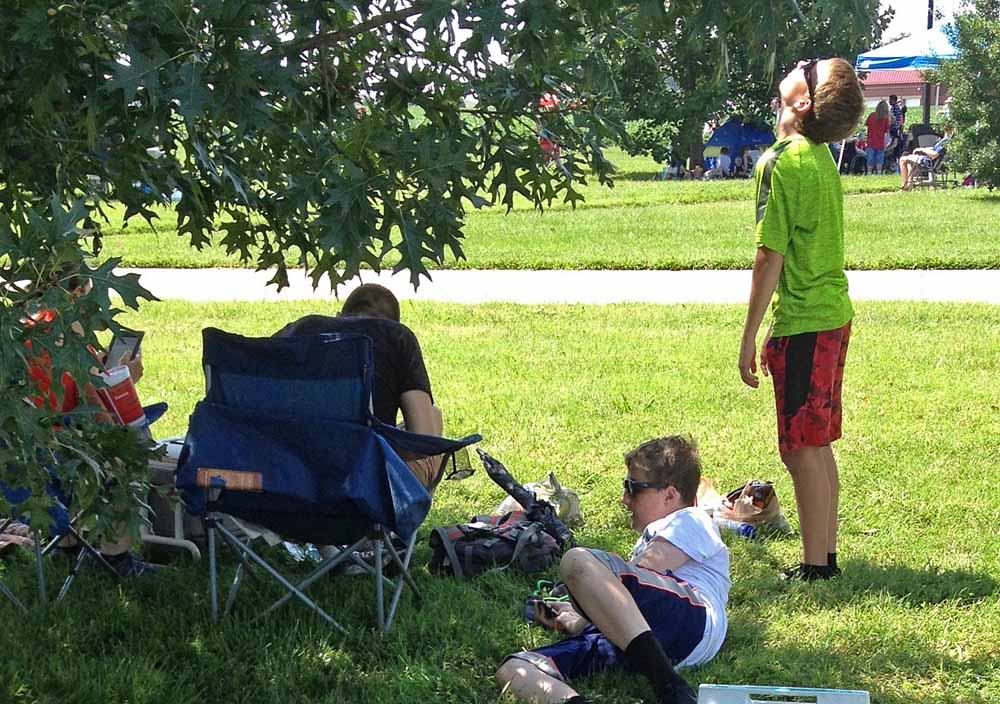
 Noon. I joined Mark on our shady, makeshift ground cover. We ate a snack and gulped down water. I tested out my safety glasses. The sun was a complete, round, orange ball. I ducked back in the shade. Twelve fifteen. A tiny Pac-Man bite showed in the top right section of the sphere. Someone shouted, "It’s starting!" Over the next half hour, we kept checking. The Pac-Man effect increased and the air began cooling, even though the sun cast shadows. By twelve-forty or so, standing in the sun no longer felt intolerable.
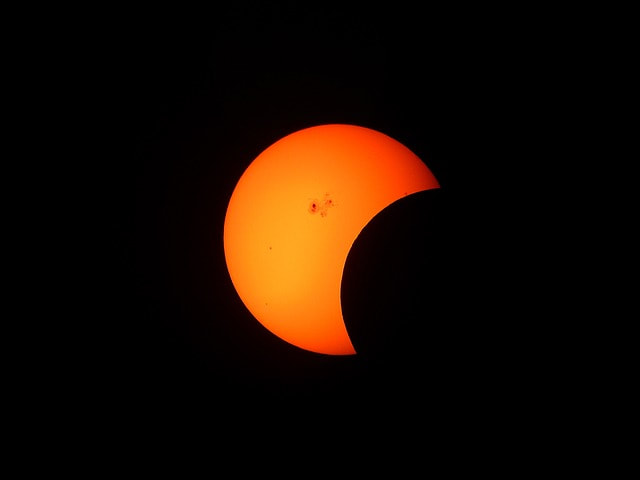
The Pac-Man phase (stock image)
 Ready for the show (Photo by Sally Kane)
 By one p.m., the sun appeared as a slivered, orange crescent. One-fifteen. Like sentries on cue, several hundred people wrapped their eyes in safety glasses, bent their heads back, and stared skyward.
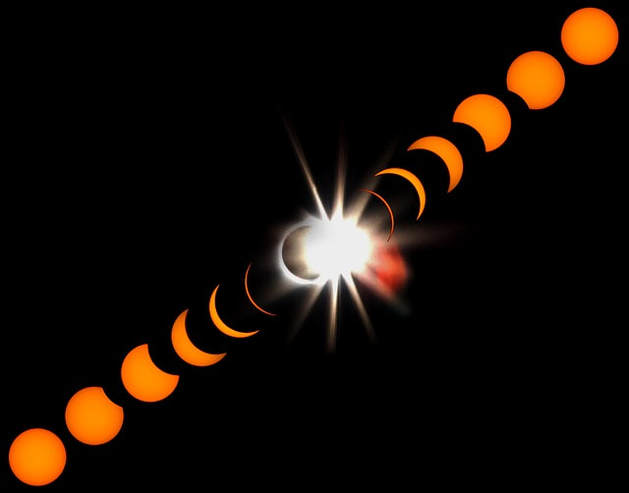
Slowly, the orange crescent grew into a tiny chunk, almost disappearing into total black. Just seconds before the moon totally covered the sun, creating a black orb encircled by a ghostly white ring, a brilliant, diamond-like starburst of light shot out the top right section of the sphere. The moon slid into place. A magnificent ring of rays, sparkling like white flames, encircled the black orb. The corona!
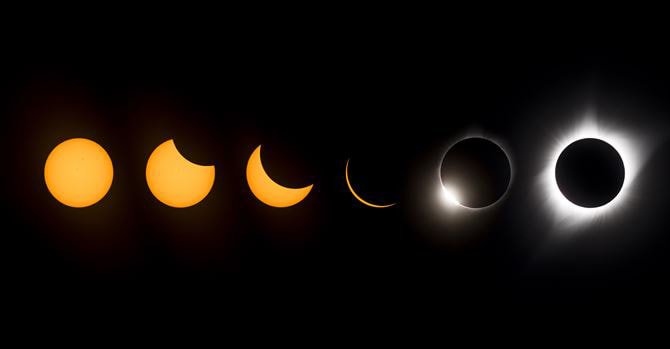
Phases of the eclipse (stock image)
"Ooh, look at that," I gasped. The crowd erupted with simultaneous clapping, cheers and whoops. I pulled off my safety glasses. We had two and a half minutes to look without them.
The light had muted to a dusky glow. "Look at the sunset all around us," Mark shouted. I turned, doing a 360. The entire horizon glowed in peach and mauve tones, outlining puffy cloud shapes. Streetlights blinked on in the distance. The air had cooled and birds stopped chirping. An eerie calm descended. Overhead, a few stars and a planet twinkled. I tilted my head back to look at the flaming white corona with my naked eyes. In that moment, all time and activity around me seemed suspended in total stillness and awe.
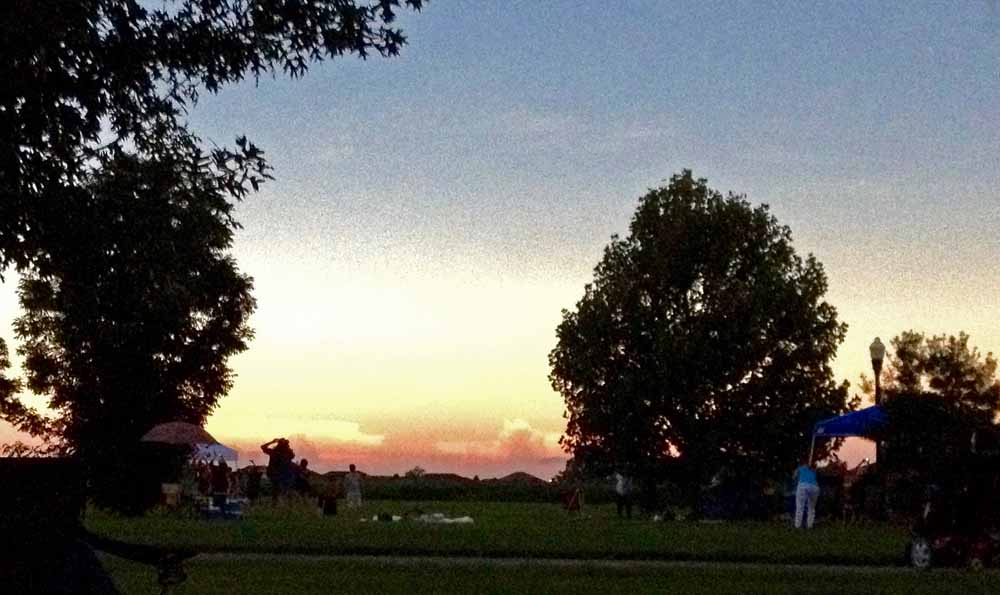
Mid-day sunset (Photo by Sally Kane)
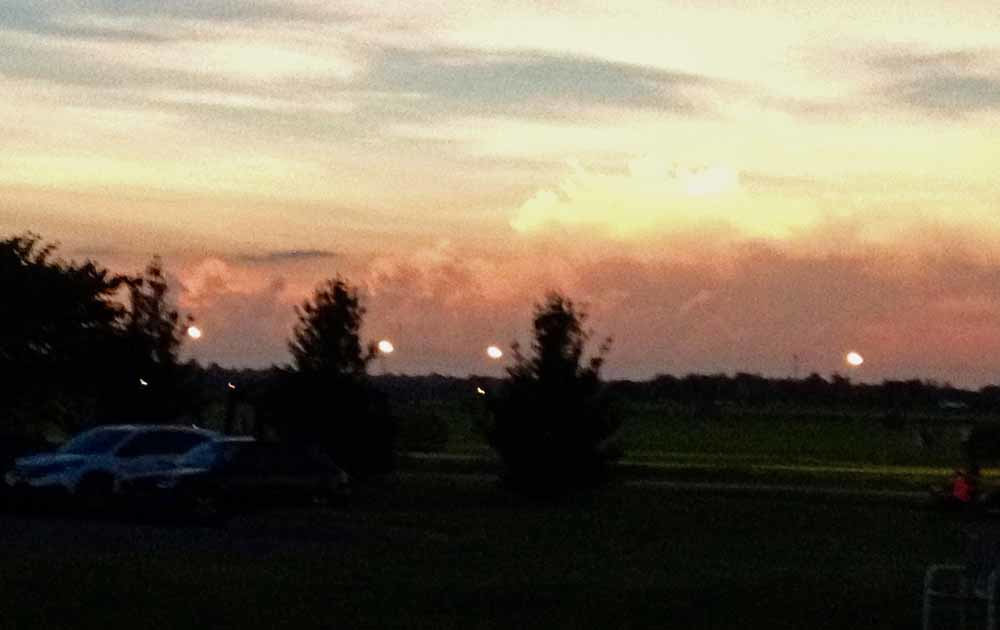
Streetlights winking on in the momentary darkness (Photo by Sally Kane)
Then, slowly the diamond flashed on the left side of the black orb, and I secured my safety glasses. As the moon and sun moved away from each other, the white corona disappeared and a chunk of orange reappeared in reverse. First a sliver, then a slim crescent. Here and there, a bird chirped, like it was morning. The welcome coolness remained for a little while longer.
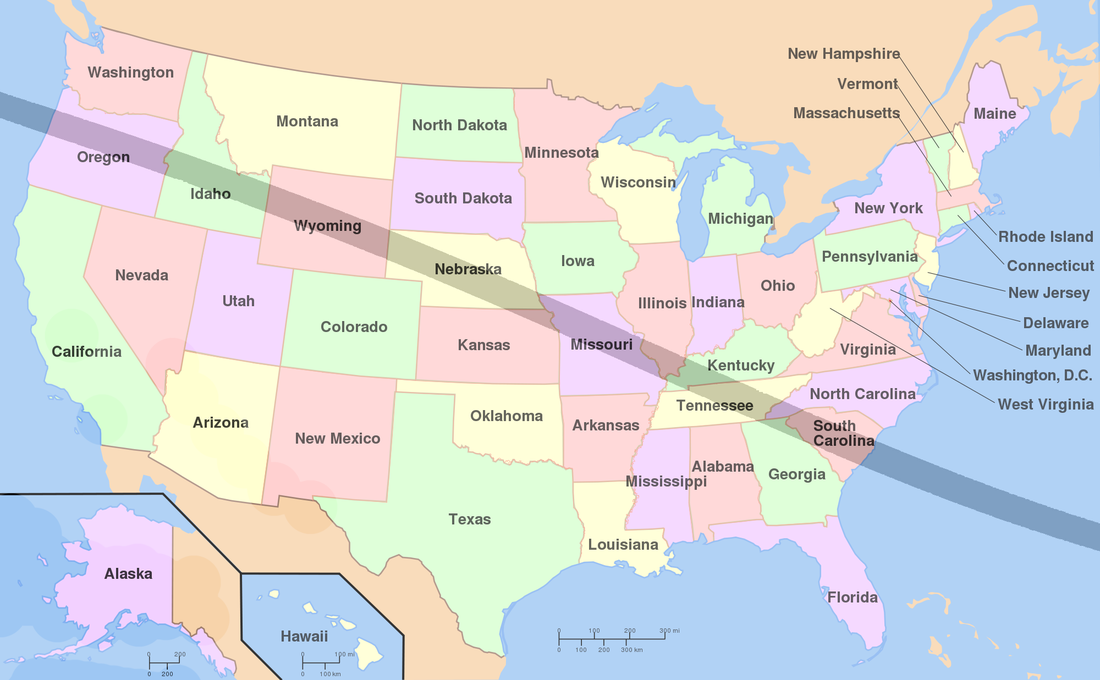
Later, heading north out of Kentucky, battling bumper-to-bumper traffic for five hours, with the sun radiating our heads through the car roof, despite air conditioning and guzzling mega cups of water, I barely had a brain to process this pilgrimage. Was the event sacred? Did a message lie in this event and journey?
Now, back home in Michigan, I have had time to reflect, time to ponder, and time to listen to others' stories about their experiences. I have concluded that this Total Eclipse Phenomenon could be viewed as bearing an opportunity.
The eclipse brought people together. Whether viewed as a partial or total eclipse, people gathered in small and large groups to experience it. People set aside their differences, their divisiveness, to unify in enjoyment and appreciation of this event. It offered community building and celebration. It offered opportunity for research and deeper understanding of the natural world. Most important, it offered a magnified sense of wonder about our natural world. It showed us the vital interconnections between all living things. Collectively, these dynamics made this event greater than sacred and needed medicine for our time as a nation.
 Colleen M. Story
 I've been a fan of Colleen M. Story and her blog, Writing and Wellness, since I came across her posts on Twitter a year or so ago.
When I learned that Colleen has a new book coming out, I jumped at the chance to read an advance copy. What writer could resist a book titled Overwhelmed Writer Rescue, with this tagline: "Stop drowning in your to-do list and start living a more joyful creative life!"?
Though the book has "Writer" in the title, the advice in it applies to creative folks of all kinds, and even those who don't consider themselves creative.
In concert with the book's launch, Colleen has agreed to answer a few questions. Read on for a taste of what you'll find in the book.
What led you to write Overwhelmed Writer Rescue, and how do you hope readers will benefit from it?
I started my motivational blog, Writing and Wellness, in the spring of 2014. After about two years of interviewing authors and interacting with readers, I began to realize there was a kind of epidemic going on in the writing world. Authors and other creative artists were drowning. There’s just so much we have to do these days.
| Art of any kind takes a ton of focus and mental energy. And most of us are working it in between our day jobs and family responsibilities. But in today’s world, writers must also market themselves, and that’s like adding on a third job. Marketing takes a ton of time and education, and so we’re squeezing every second out of the day blogging and interacting on social media and running giveaways and learning about what else we need to do to promote our work. In the midst of all those activities, we’re losing time to write. That was hard enough to find in the first place! On top of that, we’re living in a world of constant distraction. There are just so many things vying for our attention, and we often lose the battle and succumb to watching YouTube videos instead of writing (or painting or composing). |  |
As I heard the struggles authors were having, I recognized them. I had gone through the same things and found my way through, and I wanted to help. I was working on my next novel last fall (2016), but my muse knocked hard on my mental door, demanding I put my research and experience together in a way that authors and other artists could easily access.
My hope is that Overwhelmed Writer Rescue will help authors and other artists to create a better balance in their lives. Readers will learn more about their unique personalities and what they need to thrive as artists, and above all, how to better care for their creative selves.

Would you recommend this book for non-artists who have artists in their lives? If so, what might they gain by reading it?
In the interest of gaining early feedback and in making the book as high quality as I could, I asked several beta readers to read it. Some of them were not artists, and I was really happy to hear that they still got a lot out of it. The comment I received most often was, “This book would benefit anyone, not just artists.” People told me about changes they made in their lives after reading, and expressed how those changes helped them feel more productive.

I think in our society today, most of us are feeling rushed and overwhelmed. There many reasons for that, and I go into those in the book, but it’s not a healthy way to live. The sad thing is, we were taught nothing about time management in school, and certainly most of us have little information on how we’re supposed to deal with the influx of technology in our lives.
As for readers who have loved ones who are artists, the book may give them some insight into the creative struggle, and help them better understand how they can offer support, as well as how they can protect their own sanity in the mix!
I've recently come to realize that the patterns and disciplines that served me well when I was working full time as a writer don't feel quite right for the phase of creative life that I'm in now. Is it a good idea to re-examine our habits and attitudes from time to time and tweak our routines accordingly?
This is a great question, and something I talk about specifically in the book, especially in the chapters on “time personality” and “flexibility and persistence.” There are certain skills that once we master them, can work to help us reschedule our creative routines depending on the time of year and what’s going on in our lives.

We all experience, for example, yearly fluctuations in our creative output. I tend to really burrow under and write during the winter months. Living in the northwest, going outside during those months is often really uncomfortable, so it’s easy to keep my focus on a book. When the weather starts to warm up, however, that becomes a lot harder. I want to be out and shaking things up. These are the times when I’m more likely to enjoy teaching workshops or launching a book or going to conferences. The important thing is to figure out where your cycles are, and learn to honor them.
One thing we can count on is that things will never stay the same. Jobs come and go, family members need our help, and sometimes, our health needs our attention. How do we fit our creative work in when our lives are shifting around us? The more we know about our own creative selves, the better we become at fitting our creative time in no matter what. We are creative beings, so the work continues, regardless. It’s knowledge of the self that helps us weather the ups and downs with more ease.
Writers are often encouraged to reach out to other writers and offer support by joining writers' groups, exchanging and reviewing work, etc. These activities certainly can be beneficial, yet they can cut into writing time. Do you have any tips for maintaining connections with other writers without sabotaging your own writing?
Again, it comes down to balance, and to knowing yourself. How much interaction do you need? Creativity is a highly individual thing. (It’s why I have several quizzes throughout the book to help the reader get to know herself or himself.)
Personally, I’m extremely introverted, which means I require a lot of time alone to refuel. But I really enjoy interacting with people, too, particularly with other artists. I just have to be careful I don’t do too much of it, or I get worn out and my writing suffers.
Others may crave more interaction and may benefit by getting more frequent feedback. I think in this case, it’s more important to go by what your inner artist needs than to try to meet some sort of time or activity quota.

You may be optimally motivated by attending a writer’s group meeting just once a month, for example. That may be enough to keep you going strong on your novel. But if you find yourself sagging after a couple weeks and you’re not writing, maybe you need to join a second group so you’re getting feedback on a regular basis.
How is your writing going? How much are you getting done? Are you improving? These are the questions you should ask yourself when determining how much interaction/feedback you need. Keep to your writing schedule, but keep in contact with your motivation and energy.
Can you share a bit about your own personal path to a more productive, less overwhelmed creative life?
I’ve been a full-time writer for 20 years now, and honestly, it seems it’s taken me that long to really figure out how to balance my life. I’ve always worked really hard and for a lot of hours to fit in both my freelance writing and my fiction writing, but in my 30s, I suffered a serious back injury and had to write for two months on the floor.
That experience woke me up to what I was doing. Prior to that, I saw my body and my health as invincible, and ignored the little signs telling me that I was pushing it too hard. After that happened, I realized I was going to have to change things if I wanted to continue to enjoy a healthy life, and continue to do what I loved.
At about the same time, I got really frustrated with my lack of progress in fiction. I had penned several novels, but had yet to get a publishing contract. So I made some changes. I focused on working smarter rather than harder, and started to adopt some of the productivity techniques that I talk about in the book. I cut back on my extra-curricular activities, rearranged my schedule, recommitted to regular exercise and rest, and worked to gain a better outlook on my long-term goals.

The results were well worth it. I’ve published two novels and I’m working on a third, I’m loving the work I’m doing with Writing and Wellness, and my freelance business is still going strong. But there is rarely a day that goes by that I don’t exercise, and do 30 minutes of yoga, and eat healthy foods. I take a two-week vacation every year no matter what, and use that time to reconnect to my creative self and find out what’s next. I teach music lessons and play in the local symphony, and get out in nature as often as I can.
I think the most important thing I’ve learned is that physical and mental health have to come first. Without those two things, we can’t live up to the great potential each of us has. It’s not hard. It’s just a matter of learning the skills we need to create a healthy, productive and creative routine.
Personally, I think it’s fun, this creating one’s own life. We have more control than we think. We just have to grasp it.
Boost productivity, improve time management, and restore your sanity while gaining insight into your unique creative nature and what it needs to thrive. Find practical, personalized solutions to help you escape self-doubt and nurture the genius within in Overwhelmed Writer Rescue, available today at Amazon and all major book retailers. Enjoy your FREE chapter here!
Colleen M. Story has worked in the creative writing industry for over twenty years. Her latest release, Overwhelmed Writer Rescue, helps writers and other creative artists escape the tyranny of the to-do list and nurture the genius within. Her novels include Loreena’s Gift, a Foreword Reviews’ INDIES Book of the Year Awards winner. She has authored thousands of articles for publications like Healthline and Women’s Health and ghostwritten books on back pain, nutrition, and cancer. She is the founder of Writing and Wellness, and works as a motivational speaker and workshop leader. Find more information on her author website, or follow her on Twitter.
Late last year, I was scrolling through Facebook posts when I came to one that stopped me short. Posted by my friend and former University of Michigan colleague Lara Zielin, it began:
My last post of 2016 has taken me all year to write. I haven't wanted to admit this, but here's the truth. . .
My last post of 2016 has taken me all year to write. I haven't wanted to admit this, but here's the truth. . .
Lara went on to reveal that her thriving career as an author had withered. She had been in a slump for the past twelve months and had even questioned her own worth.
My first reaction was sympathy. As a writer who's trying to become a published author, I know how difficult and tenuous the whole process can be, and how one's self-esteem rides up and down on successes and failures. My heart broke at the thought of sunny, upbeat Lara being knocked down.
As I read on, my sympathy turned to admiration. Most of us use social media to trumpet successes and share happy occasions. How rare it is to read such a frank account of, as Lara put it, "humiliating failure."
Lara's year-end post ended on an optimistic note, but rather than giving that away, I have asked Lara to tell you herself about facing failure and moving forward from there.
Here's Lara:
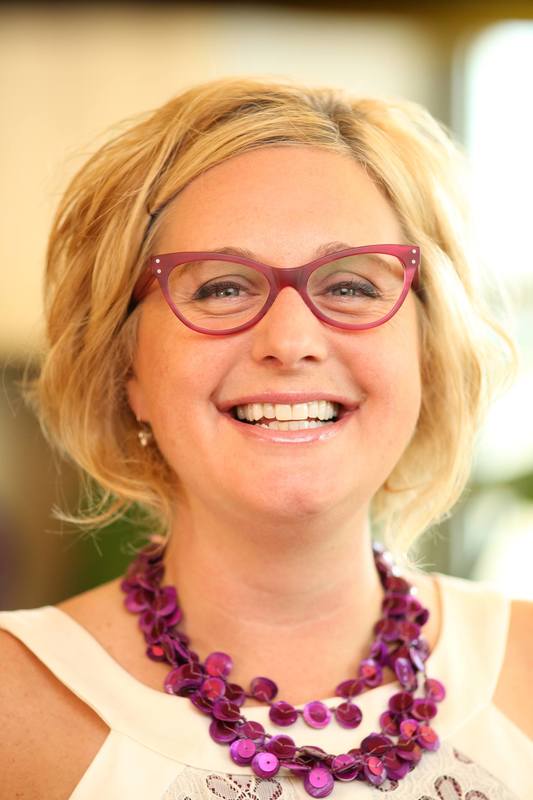 Lara Zielin
Do you ever feel inexplicably drawn to read a particular book? This happened to me recently at Barnes & Noble, when I looked over at the new releases section and felt the mysterious pull to read FORWARD, a memoir by soccer player Abby Wambach. Mind you, I don’t like soccer. I don’t think I’ve ever seen a game in my life. And I had no clue who this woman was or why I should care about her story. But the tug toward the title wouldn’t relent, and I took it home.
Do you ever feel inexplicably drawn to read a particular book? This happened to me recently at Barnes & Noble, when I looked over at the new releases section and felt the mysterious pull to read FORWARD, a memoir by soccer player Abby Wambach. Mind you, I don’t like soccer. I don’t think I’ve ever seen a game in my life. And I had no clue who this woman was or why I should care about her story. But the tug toward the title wouldn’t relent, and I took it home.
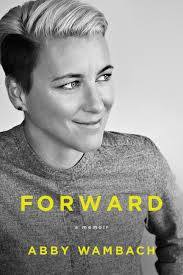 The book that called to Lara
 Turns out, the universe was right. I wasn’t far into the book—12 pages to be exact—when this passage hit me over the head:
I love [soccer] for what it gives me: praise, affection and, above all, attention. When I’m on the field I don’t have to plead to be noticed, either silently or aloud; it is a natural by-product of my talent. I loathe it for the same reason, terrified that soccer is the only worthwhile thing about me, that stripping it from my identity might make me disappear…Already I know I’m incapable of falling in love with the game itself—only with the validation that comes from mastering it, from bending it to my will.
I read the words again and again, marveling that someone was brave enough to articulate what I felt, too. Only in my case it wasn’t soccer—it was writing.
Or, I guess I should clarify and say writing novels.
Writing books was the only thing I’d wanted to do since I was a little kid. I can remember the first story I wrote, when I was eight years old—not the text itself, but what the paper looked like, and what the pencil felt like in my hand. I’d write so much over the next decades that I would give myself a callus I still sport to this day, a permanent rough spot that has altered shape of my finger forever.
It didn’t take long before the idea of what writing could do for me went hand-in-hand with the act of putting words to paper. This will be how I become famous, I would think. This is how I will leave my mark. This is how I will show people I matter. That I’m worth something.
These ideas were pressing, even when I was very young. They were very deep, buried in a dark corner of my subconscious, and completely inextricable from the hard work of getting better at my craft and my determination to make a career out of books.
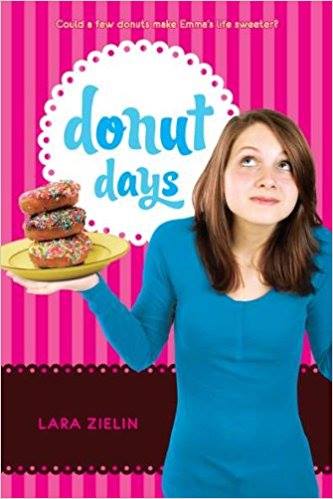 Lara's first novel, DONUT DAYS, hit the shelves in 2009
Fast-forward a few decades, to 2007 when I sold my first novel. It hit shelves in 2009. I was writing young-adult at the time, which was a perfect fit. I thought, this is it, and I kept going. My second book came out in 2011, followed by my third in 2012.
I was under contract for a fourth book, which wasn’t coming as easily as the first three. It felt forced and uncertain. I wrote several versions, and each time my editor encouraged me to go back to the drawing board—to fix the characters, their motivations, the language…hell, all of it.
To make matters worse, the books I did have out weren’t selling well at all. My shaky foundation of self-worth started to wobble. What if I wasn’t good at this? What if I wouldn’t or couldn’t become a writing success? Desperate to take a break from young adult, I started writing romance.
 One of Lara's romances, published under the pen name Kim Amos
 In 2014, I sold a trio of small-town romances at auction, giving me enough money to quit my full-time, big-girl job and take something part-time while I pursued this new venue. For a hot second, it was great. Until it wasn’t. These books didn’t sell well either, and when I pitched my publisher on a new series, they didn’t bite. They washed their hands of me and moved on.
This caught me completely off guard. I figured my publisher would maybe low-ball me on the money but keep collaborating. After all, I was hardworking, I hit my deadlines, and the books I’d produced—while not bestsellers—had garnered great reviews and even an award nomination.
This just wasn’t the case. And when my agent shopped my idea for the new series around to other romance publishers, no one would bite. My romance career had flamed out as spectacularly as it had started.
In the meantime, the fourth book I’d written for my young-adult publisher was done, and I was enormously proud of it. After years of laboring over this story, I felt like I’d finally gotten it right. I thought, okay, romance is dead, but young-adult is still kicking, I can still be a success in this genre.
Wrong.
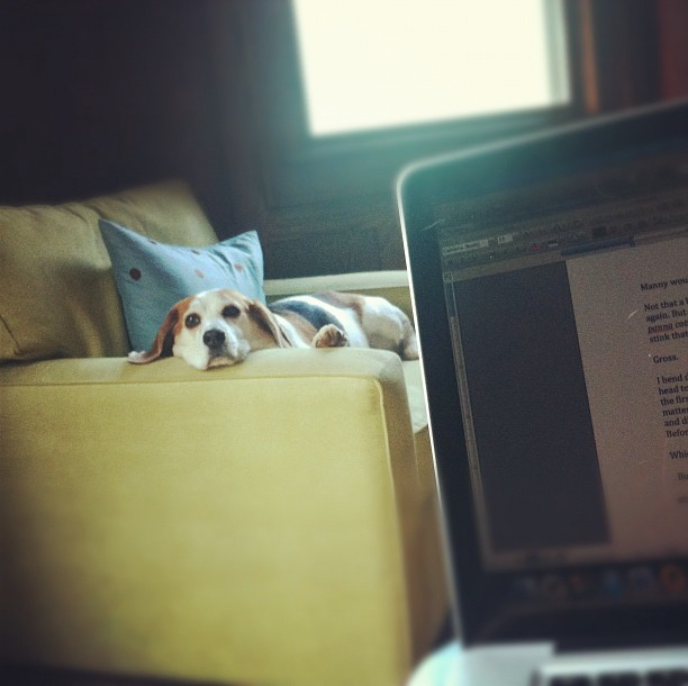 Lara's writing buddy, Amos, reflects her discouragement
 My editor wasn’t a fan of the book at all—a historical middle-grade novel about a young girl who works at a logging camp for a winter in the Wisconsin Northwoods. I’d called it the book of my heart. I think if she could, my editor would have called it a hot mess.
At this point, we all agreed it would probably be best if we parted ways. My young-adult publisher broke the contract with me, and any potential revenue streams I had through publishing—not to mention opportunities for the success I so badly craved—were gone.
But Lara, you’re thinking, just write a new book! Just keep trying!
And I would, I swear I would, if I had any ideas coming to me. But not only had my contracts dried up, my ideas had, too.
Which brings me back to Abby Wambach and her memoir. When she couldn’t play soccer any more—she had essentially aged out, and her body was fighting her with injury after injury—she fell apart.
And I guess I did too when I couldn’t write novels anymore. I gained weight. I didn’t feel much like going out.
I kept asking my husband, “What do I do? Writing novels is the only thing I’ve ever wanted.”
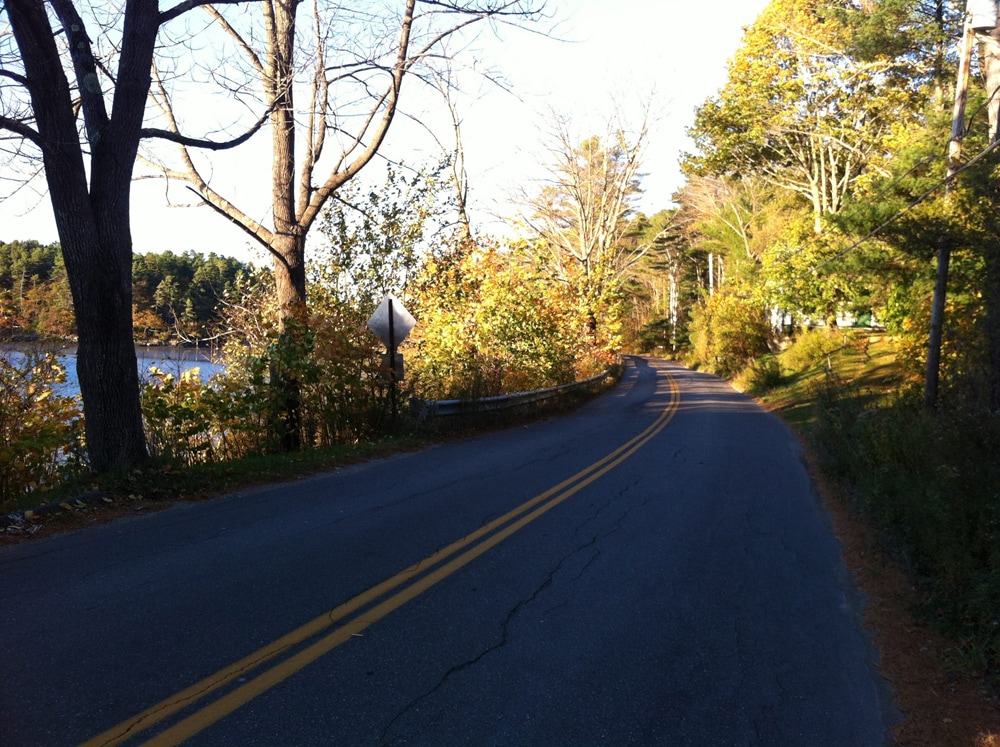 Lara shot this picture in Maine, just before her romance career took off. "I think about this visit often, because I felt like I was right on the cusp of something but didn't know what. I feel that way now too."
 To which he would continually reply, “Just hang out in this uncertain place. Don’t fight it, just face the not-knowing and see what comes up.”
I also had to face the fact that I was using success through novels as a way to make up for my perceived personal inequities. For years, I’d looked at myself, found myself lacking, and wanted to fill that void with external success. My husband would continually remind me: There is no void. He would tell me I was enough, just as I was. There was no hole to fill. I didn’t have to prove my worth.
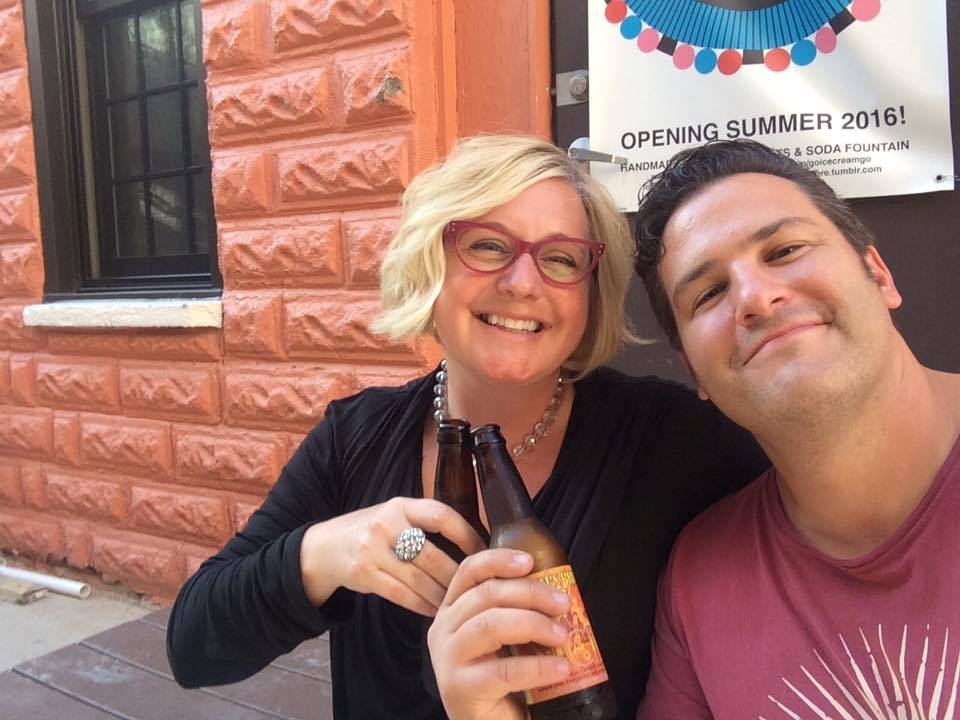 Lara and her husband Rob, whose wisdom helped her find a new passion
 So I hung out in the not knowing and, it turns out, my husband was right. I was still a writer, just maybe not a novelist. Or not only a novelist. I discovered I loved copy writing and was awesome at it. I found I had a passion for nonfiction and realized that I could to put pen to paper to fight injustice. I even got an awesome new business idea, which I’m in the process of starting up.
For her part, Abby Wambach came out of her spiral too, and now she’s in a new role fighting for equity in women’s sports (particularly with regard to pay), and she’s a commenter on ESPN. I can’t recommend her memoir highly enough. I was inspired and moved.
The text at the very front of the book—before chapter one, even—gets me every time I read it. Abby wrote it to her four-year-old self. It’s true of Abby. It’s true of me. If you’re struggling with any of these same things, I want you to know, it’s true of you, too:
Don’t try to earn your worthiness. It’s yours by birthright.
Fear no failure. There is no such thing.
You will know real love. The journey will be long, but you’ll find your way home.
You are so brave, little one. I’m proud of you.
Fear no failure. There is no such thing.
You will know real love. The journey will be long, but you’ll find your way home.
You are so brave, little one. I’m proud of you.
Do you have a facing-failure story to share? Have you ever been forced to change direction and then realized that shift was more gift than setback?
So here we are, one month into 2017. Remember those intentions you started the year with? Those goals you were going to pursue and ideals you were going to embody? How's that working out?
For all the resolve we start the year with, it's easy to get sidetracked. That's why I try to reboot my resolutions (or intentions, if you prefer that concept, as I do) from time to time.
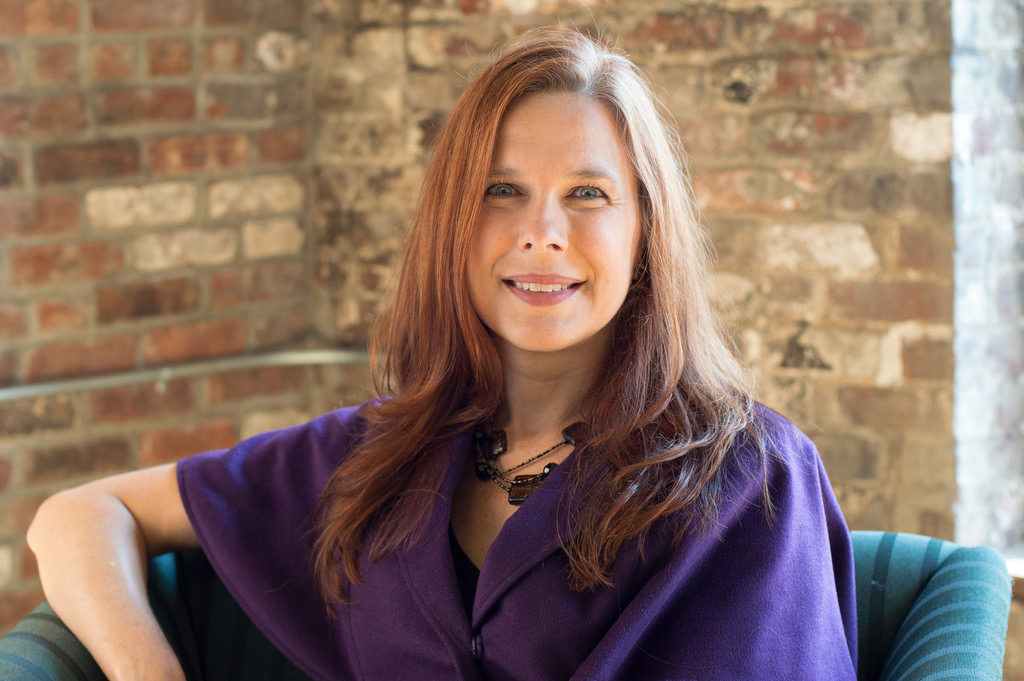 Colleen Newvine Tebeau
 If one of your intentions is to build connections with other people, my friend and former coworker Colleen Newvine Tebeau has some great suggestions for enjoyable ways to make that happen. Colleen is a journalist turned MBA whose marketing consulting firm helps small and mid-sized businesses with practical strategy and tactics. She's also one of the most joyfully social people I know. So when I read a recent post in her blog, Newvine Growing, about cultivating friendships, I knew I had to share it with you.
Colleen lives in Brooklyn, New York, but her suggestions work just as well if you live in a small town. Maybe you don't have a neighborhood cocktail bar to frequent, but you're probably not far from a coffee shop or café.
But before I give away any more of her tips, I'll turn you over to Colleen. Here's her post on building social connections.
Make this the year you value your relationships
by Colleen Newvine
by Colleen Newvine
If you're making resolutions, I’d like to recommend you aim for a different ambition than the typical "lose 10 pounds" or "quit smoking." Focus, for a change, on increasing and improving your connections to other people.
Why? A New York Times article headlined, “How Social Isolation Is Killing Us,” said in part:
Social isolation is a growing epidemic—one that’s increasingly recognized as having dire physical, mental and emotional consequences. Since the 1980s, the percentage of American adults who say they’re lonely has doubled from 20 percent to 40 percent.
About one-third of Americans older than 65 now live alone, and half of those over 85 do. People in poorer health—especially those with mood disorders like anxiety and depression—are more likely to feel lonely. Those without a college education are the least likely to have someone they can talk to about important personal matters.
A wave of new research suggests social separation is bad for us. Individuals with less social connection have disrupted sleep patterns, altered immune systems, more inflammation and higher levels of stress hormones.
One recent study found that isolation increases the risk of heart disease by 29 percent and stroke by 32 percent. Another analysis that pooled data from 70 studies and 3.4 million people found that socially isolated individuals had a 30 percent higher risk of dying in the next seven years, and that this effect was largest in middle age.
Loneliness can accelerate cognitive decline in older adults, and isolated individuals are twice as likely to die prematurely as those with more robust social interactions. These effects start early: Socially isolated children have significantly poorer health 20 years later, even after controlling for other factors. All told, loneliness is as important a risk factor for early death as obesity and smoking.
If you need more convincing, I suggest you read the full article by Dhruv Khullar, a resident physician at Massachusetts General Hospital and Harvard Medical School.
How to get started? Consider throwing a party
 We host weeknight spaghetti dinners about once a month. It's a simple equation: spaghetti + wine + friends = one of my favorite rituals.
 I love hosting parties, from intimate dinner parties to jam-packed cocktail parties. When people come to our parties, they sometimes say wistfully, "You’re so good at this. I wish I knew how to throw a party like this."
Here's the truth: I began throwing parties in part because I was lonely. When my ex-fiance and I broke up, I realized I didn’t have close girlfriends to commiserate with, and I made a conscious decision to cultivate friendships.
It felt less threatening to invite women I didn’t know well for a group gathering than to ask one out for a girl date over coffee or drinks. I began hosting clothing swaps because inviting people to join me for an activity felt like a more attractive offer; they didn’t have to want to hang out with me, they just had to want some free gently used clothes. I wasn’t experienced at hosting but I learned as I did it more. Slowly some of those women became friends, and I still host clothing exchanges two decades later.
If you feel shy about asking someone for one-on-one plans, consider hosting a small group at your place. If you don't click with anyone who comes, you can casually drift to another conversation or excuse yourself to tend to some unspecified task in the kitchen.
Hosting doesn’t have to mean a lot of work. When the economy tanked in 2008, we hosted happy hours at home to give our friends a less expensive way to socialize. We'd tell people to bring whatever they wanted to drink and eventually we’d order pizza and ask people to kick in. That’s really it. All we offered was the venue.
You could invite a couple of people to watch movies and get food delivered or throw a frozen pizza in the oven. Host a potluck dinner. Set up an activity you’d like to do anyway—make beer or jewelry, do scrapbooking, get out your musical instrument—and ask acquaintances you’d like to know better or friends you don’t see often enough to join you.
If you’d like to try hosting, here are a few posts I’ve written with suggestions:
Become a regular at a bar or coffee shop near you
Socializing at home isn’t the only option, of course. You can enjoy a bar, cafe, coffee shop or other gathering place near you.
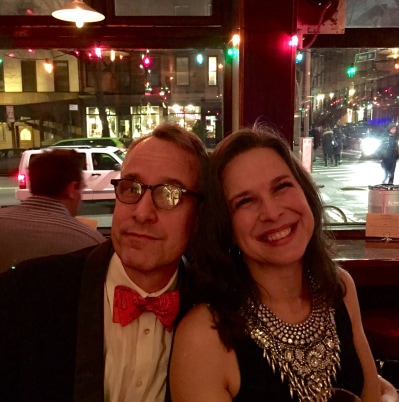 John and I treat our local cocktail bar, the Long Island, as an extension of our living room. We stopped there for a drink to start New Year’s Eve, then boomeranged back at the end of the night.
Ray Oldenburg wrote a book called The Great Good Place in 1989 that spoke of the "third place"—someplace that's not home and not work, but another spot where you connect with your community. Going to your third place isn't just about scheduling a date to meet people you already know but about chatting with whoever’s there.
Ray Oldenburg wrote a book called The Great Good Place in 1989 that spoke of the "third place"—someplace that's not home and not work, but another spot where you connect with your community. Going to your third place isn't just about scheduling a date to meet people you already know but about chatting with whoever’s there.
That means putting down your phone, making eye contact and opening yourself up to strangers.
The development of the individual depends on meeting people from different walks of life, and getting to know them. That's good for the individual, and it's good for the community. Coffee shops are great, and bars are great—they offer an edge because of what you consume, and you can relax and warm up to other people.
In a recent interview in Imbibe magazine, Oldenburg said:
The development of the individual depends on meeting people from different walks of life, and getting to know them. That’s good for the individual, and it’s good for the community. Coffee shops are great, and bars are great — they offer an edge because of what you consume, and you can relax and warm up to other people.
The development of the individual depends on meeting people from different walks of life, and getting to know them. That’s good for the individual, and it’s good for the community. Coffee shops are great, and bars are great — they offer an edge because of what you consume, and you can relax and warm up to other people.
We feel fortunate to have fallen deeply in love with a cocktail bar a block from our apartment. It's a place where we go to celebrate as well as to sulk or mourn, and where we feel welcomed and cared for, more like family than customers.
It's the first time in our lives we truly feel like regulars someplace. It took trial and error to find the right place and to connect beyond a simple business transaction.
Here's some of what worked for us in finding our local hangout:
- We went to several places in our neighborhood early in the evening on weeknights
- We sat at the bar and talked with bartenders, asking them what they like to make and what’s good on the menu
- When we found a bartender we liked, we'd ask his or her name and when he or she works. For us, a good bar experience is about how we’re treated and that varies greatly from person to person so we don’t just go to a place, we seek out an individual who gives us a good experience.
My husband, John Tebeau, is writing a book about 50 great New York bars, not places with the very best cocktails or the hippest places, but bars that are beloved gathering places.
Visiting dozens of bars to scout them for his book has given us copious practice engaging with barkeeps and regulars, and as someone who used to find sitting at the bar intimidating, I can tell you that the more you do it, the easier it gets. I’ve learned to read the body language of patrons open to chatting and to gauge when a bartender has time to socialize versus needing to focus on the task at hand. Like hosting parties, it gets easier the more you do it.
Bring a social element to something you'd do anyway
Ari Weinzweig, co-founder of Ann Arbor institution Zingerman's, taught a webinar on time management last year that was beautifully philosophical—it wasn't about shoehorning more productivity into each day but about living well by prioritizing how we spend our time.
One of the practical pointers Ari gave was to combine priorities so he can accomplish more things he values simultaneously. For example, if you want to exercise and you want to socialize, work out with a friend. My husband, John, had a standing racquetball date with a co-worker twice a week when we lived in Ann Arbor. That's part of why we're still friends with his racquetball partner, Bob, two decades later.
I once read about two moms who swapped helping each other clean. They'd both spend an hour cleaning one family's house, talking as they did it, then they'd switch to the other house. It turned a grudge task into bonding time.
I once read about two moms who swapped helping each other clean. They'd both spend an hour cleaning one family's house, talking as they did it, then they'd switch to the other house. It turned a grudge task into bonding time.
What do you do—or what would you like to do—that could work as a social activity?
Make it a priority to show people you love them
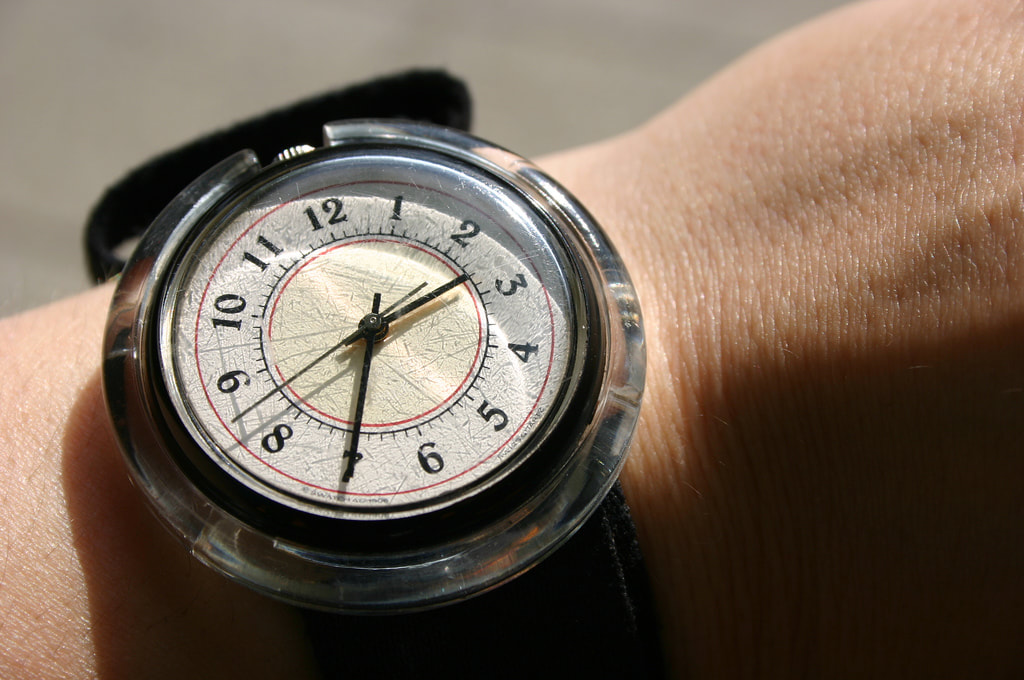
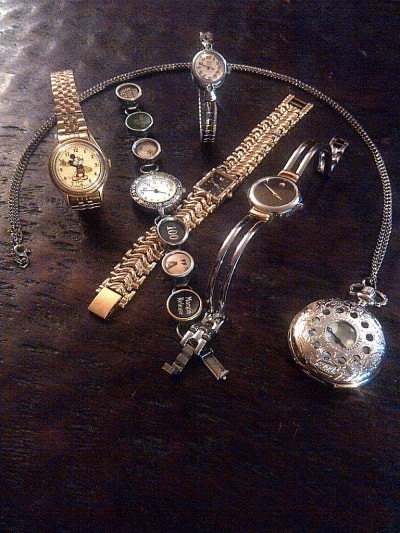 I understand the demands of time. These are all watches I personally own, and that ain’t even all of them.
I hear a lot of people, especially in go-go-go New York City, saying they just don’t have time to socialize. They work long hours, wrapped in a long commute on each side, then maybe they have the demands of parenting waiting at home.
I get that you might already feel you don’t have enough hours in the day, and squeezing in a brunch date sounds more stressful than relaxing.
But if you value your relationships, can you prioritize maintaining those connections enough to make time? Is there something you’re doing that you could ditch to make room for friendships, or could you make better use of downtime? Can you combine socializing with another activity, like Ari suggests?
I have one friend with a high powered job who leaves substantive voicemails, so I feel connected even if we didn’t get to chat. Another friend who travels a lot sends thoughtful texts about something happening on the trip or something that reminded him of me. A successful business owner friend routinely leaves cheerful comments on my Facebook posts. They’ve found ways to fit connection into their busy lives.
John and I spend a few hours every couple of weekends calling and writing people we love. We send postcards and texts as we drink our coffee. We value this enough that we schedule it in our shared Google calendar.
Excellent ideas, Colleen! And I know many HeartWood readers have come up with great ideas for connecting with others, too—from the women's hiking club to dominoes games and craft nights. Share them here, and build more connections in the process!
Continuing our celebration of National Poetry Month, we welcome guest blogger Sandra Bernard. Sandra is a Newaygo singer-songwriter, poet, essayist, producer of musicals and one-of-a-kind free spirit who leads the weekly open mic at River Stop Café. For several years, she also led a weekly writing salon to encourage and mentor local writers. Sandra comes from a long line of creative and gifted musicians, writers and artists. She has collected some of her family's stories, photos, poems and recipes in her book, You Are What You're Fed.
Here's Sandra, sharing her thoughts and three of her poems . . .
Here's Sandra, sharing her thoughts and three of her poems . . .
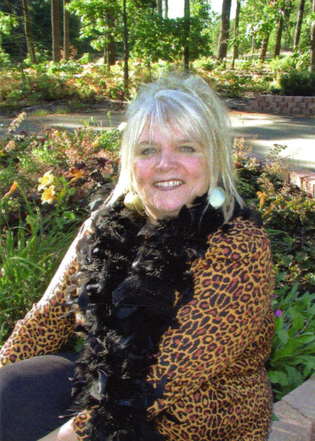
Sandra Bernard
That old adage, you don’t know what you got 'til it’s gone, never applied to my life—never!!
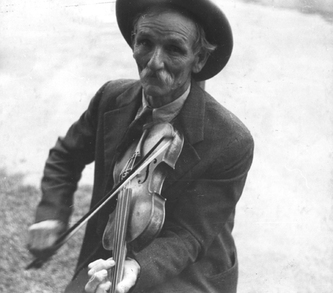
My life has been a deluge of interesting characters: inventor/dreamer types, accomplished painters, writers, and musicians who embrace eyebrow-raising, good or bad, and wear it like a badge of courage. From a master water colorist who could twist the English language into wordy, witty tales as easily as he painted sadness into an array of clear blue vases on a paper canvas, to storytellers who ran hooch for Al Capone and outran the law in the Kentucky hills, to those who played fiddle tunes and sang hair-raising hill harmonies in five mystical parts.
That old adage, you don’t know what you got 'til it’s gone, never applied to my life—never!!
My life has been a deluge of interesting characters: inventor/dreamer types, accomplished painters, writers, and musicians who embrace eyebrow-raising, good or bad, and wear it like a badge of courage. From a master water colorist who could twist the English language into wordy, witty tales as easily as he painted sadness into an array of clear blue vases on a paper canvas, to storytellers who ran hooch for Al Capone and outran the law in the Kentucky hills, to those who played fiddle tunes and sang hair-raising hill harmonies in five mystical parts.
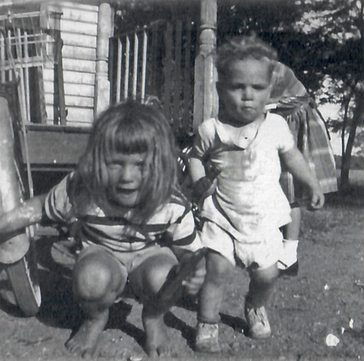 Sandra (left) in her free-spirited youth
As far back as I can remember, such gifts were celebrated, applauded and enjoyed to their fullest in my family. I've always been grateful to, and respectful of, those who taught me how to succumb to that kind of pleasure and cleared the way for creative thinking and inspired daring.
As far back as I can remember, such gifts were celebrated, applauded and enjoyed to their fullest in my family. I've always been grateful to, and respectful of, those who taught me how to succumb to that kind of pleasure and cleared the way for creative thinking and inspired daring.

But star-gazing, humor-dipping and word-weaving, while wildly inviting, all have their downside. Clearly, creativity mixed with daring is not conducive to long-term relationships. Oh yeah, in the short-term maybe they're exciting, but only until the reality of the dark side of the moon reaches its rope's end, on both ends. You’re not likely to find breadwinners more than one time out of ten thousand. There will be a lot of mood swings and job changes. Creative thinkers require an inordinate amount of alone time, which tends to stick in the craw of most spouses. Three weeks of intense silence will produce two pages of writing, which may or may not be worthy of print. Balancing checkbooks and paying bills will more likely feel like a punishment than a necessity.
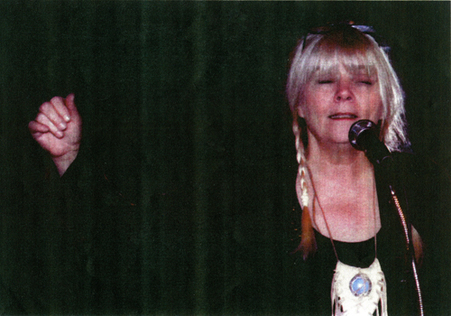 Sandra on stage
 While they're often labeled as lazy, unorganized and incapable of managing time or prioritizing "normally," these are only symptoms of an underlying obsession of thoughts and fixation. Day and night the mind runs at warp speed and the least little thing said or done can inspire a whole chapter, song, or painting in a three-hour period. (For writers, that constitutes three months of rewrite time and years of collective dissecting in the mental lab.) Eating is not a priority. Sleeping can be sporadic, with sudden spurts of genius at three am. Yes, spouses of the creative don’t know what's gone till they’ve got it.
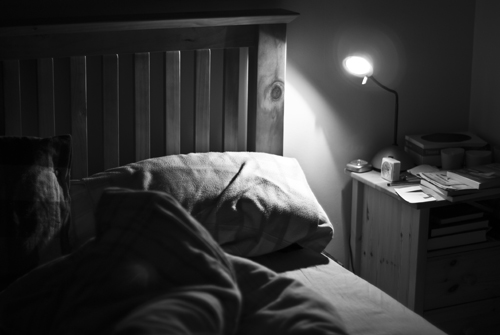
It's a kind of sadomasochistic life, dotted with power surges and self-loathing for being incapable of staying in the lane. But as the years have passed, it seems I've somehow grown into that skin with a little grace, I hope. I’ve learned how to rein it in a little on the outside, while still harvesting the fruits of my inward madness. Aging allows others to accept and almost expect eccentricity, and that’s good for me.
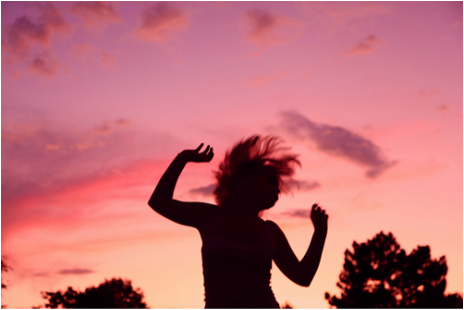
It's working out, for the most part. Romance has gone by the wayside, but that's probably for the best. As a parent, watching my children struggle through creative mine-fields is about the only time any regret seeps in. But then they paint a painting, or sing a song, or write a lyric that reveals the depth of their spirit, and regret swiftly springs into pride and admiration. Learning to dance like no one's watching is embedded very early in life, maybe even through the gene pool and from the womb, but when encouraged and licensed in life it can create moments that sparkle as bright as the sun and light the entire vicinity on which they fall.
Oh yes, I did know what I had when I had it, and I'm thankful for that.
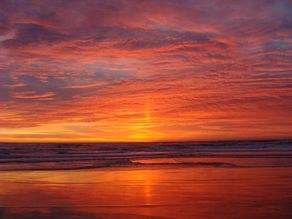
If I Should Fall Asleep
The body turns, it cannot rest
When you’re too tired to go forward
You just start looking back
Good mother West . . . one more setting sun
So many things I shouldn't have
And more I should have done
Just lie down here by me now
You don't need to speak
I just don't want to be alone
If I should fall asleep
But if I've gone before you wake
Don't let your heart be shattered
For I'll be traveling beyond the stars
Far past those things that mattered
The body turns, it cannot rest
When you’re too tired to go forward
You just start looking back
Good mother West . . . one more setting sun
So many things I shouldn't have
And more I should have done
Just lie down here by me now
You don't need to speak
I just don't want to be alone
If I should fall asleep
But if I've gone before you wake
Don't let your heart be shattered
For I'll be traveling beyond the stars
Far past those things that mattered
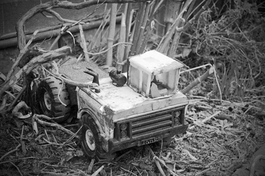
The Photos at Wright's Gallery
A photo of a child's weather-beaten toy
At the edge of an overgrown pond
And one with a child's half eaten cereal in a bowl
Left on the steps all alone
They were dark and filled with a sad lonely view
The kind no one can defend
Photographs of an unclaimed boy
Showed at Wright's Gallery at ten
There was one with an empty baby pram
Off to the side in the weeds
But the icy cold bridge
Where someone's clothes lay
I almost couldn't breathe
They were dark and filled with a sad lonely view
The kind no one can defend
Photographs of an unclaimed boy
Showed at Wright's Gallery at ten
Awards and accolades were dispensed
And curious people called it art
But I knew they were only photographs
Of a small boy's broken heart
They were dark and filled with a sad lonely view
The kind no one can defend
Photographs of an unclaimed boy
Showed at Wright's Gallery at ten
A photo of a child's weather-beaten toy
At the edge of an overgrown pond
And one with a child's half eaten cereal in a bowl
Left on the steps all alone
They were dark and filled with a sad lonely view
The kind no one can defend
Photographs of an unclaimed boy
Showed at Wright's Gallery at ten
There was one with an empty baby pram
Off to the side in the weeds
But the icy cold bridge
Where someone's clothes lay
I almost couldn't breathe
They were dark and filled with a sad lonely view
The kind no one can defend
Photographs of an unclaimed boy
Showed at Wright's Gallery at ten
Awards and accolades were dispensed
And curious people called it art
But I knew they were only photographs
Of a small boy's broken heart
They were dark and filled with a sad lonely view
The kind no one can defend
Photographs of an unclaimed boy
Showed at Wright's Gallery at ten
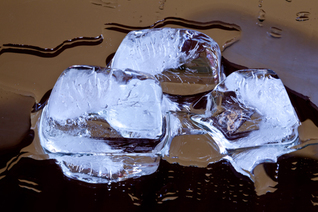
Mantra
There are no lines
Only circles
I believe that
We pretend that things begin and end
But they never do
Thus good is part of bad
Bad part of good
And there is no dark without light
And vice versa
Watch the water go to ice
Ice to liquid—liquid to gas
Back to water again
Like love . . . hate . . . and forgiveness
Perhaps one state more desirable than the other
From this eye
But the eye is a circle
The heart is a circle
Dreams are circles
What we wanted and needed then and now
From different views
We only pretend that things begin and end
. . . But there are no lines
Only circles . . .
. . . I believe that
There are no lines
Only circles
I believe that
We pretend that things begin and end
But they never do
Thus good is part of bad
Bad part of good
And there is no dark without light
And vice versa
Watch the water go to ice
Ice to liquid—liquid to gas
Back to water again
Like love . . . hate . . . and forgiveness
Perhaps one state more desirable than the other
From this eye
But the eye is a circle
The heart is a circle
Dreams are circles
What we wanted and needed then and now
From different views
We only pretend that things begin and end
. . . But there are no lines
Only circles . . .
. . . I believe that
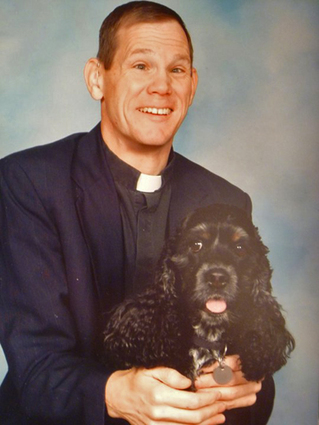
As I promised in my last blog post, this week's guest is Jonathan Riedel, poet, pastor of Newaygo Congregational United Church of Christ, and all-around interesting guy. A native of Wyandotte, Michigan, Jon was educated at Kalamazoo College and Yale University Divinity School. He's a collector of books and a supplier of little-known facts on just about any subject that comes up in conversation. Also the dad of a college kid. Here's Jon:
I began writing poetry because I couldn’t finish writing anything else. I am, by nature, hyperactive and often possess the most fleeting of attention spans. Though age has calmed me, I still find that whenever I have to write something lengthy--an essay perhaps or a sermon--I jot down a few sentences, a paragraph, then I rise to sort out the next few sections by wandering around wherever I am writing. One of my mother’s favorite stories about my writing habits centers on how I would spend fifteen or twenty minutes sketching out the cover art for a story I was writing and then simply move on, leaving behind the rough outlines of a few ideas and nothing more. I must admit that I have succeeded, to some degree, as an essayist (after all, I do have two college degrees to my credit) and as a short story writer. But even there, I can never complete an essay or a story in one sitting.
My legs long to walk and my mind flits to something else. So I must move.
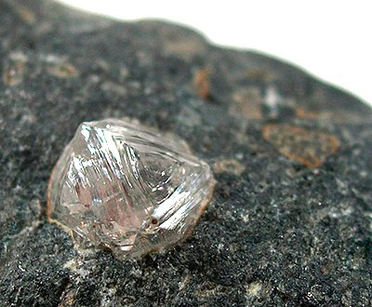
Poetry is different for me, though. Its brevity, its intensity, matches the hyperactivity of my soul. Poetry condenses language down to its essential. If it chooses to be loquacious, it does so with tricks clever enough to trip the wandering mind--similes, metaphors, and rhyme and rhythm schemes. Poetry is a distillation as pure as the process of extracting a diamond from its encrusting rock. I chip away nouns, toss aside unnecessary verbs, pull aside adjectives and adverbs, and search for the original gleam of an idea.
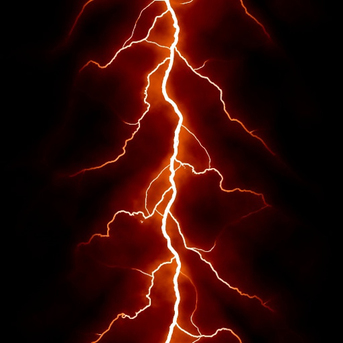
That is not to suggest that I am not open to second-guessing and revision. I have many poems where I have changed words, structure, and even directions. But, for the most part, the poem appears much like lightning. Its heart strikes a fire and I stoke it quickly--a few words, the slant of a line, an image stuck much as a burn sticks on a tree. Quickly these flashes come and equally quickly I must write them down. And, even in their rapidity, their shattered intensity, I find myself willing to follow them, willing to stay until they lie, spent, on paper. I can always finish a poem.
Poetry, for me, is a form best suited to my hyperactive spirit. And that is why I write at least two a week. It does me good to do so.
Here are two that I have published:
Waiting for Clydesdales
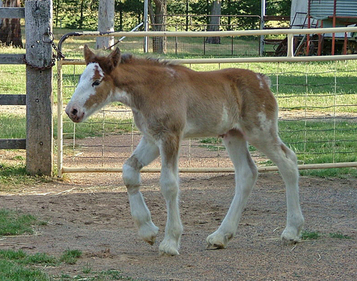
These oversized shambles
Foals--marbled black dripping
To dirty white footlocks
Now turning their wobbles
To early spring warbles
Against highway fencelines
I lift up on the gas
For a moment to catch
Newborns in sure gallops
Across grass still yellow
from mountainous winter
and the drawn-out thawing
Foals--marbled black dripping
To dirty white footlocks
Now turning their wobbles
To early spring warbles
Against highway fencelines
I lift up on the gas
For a moment to catch
Newborns in sure gallops
Across grass still yellow
from mountainous winter
and the drawn-out thawing
planting
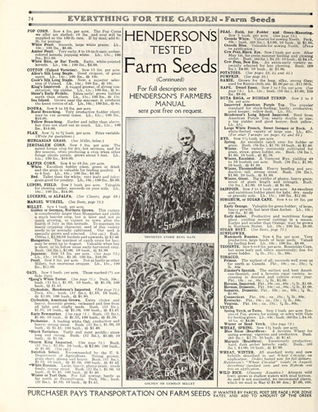
when the winter closes, Farmer Rahn
loosens the log dam long enough
from the brief spring rains to flood
his lower fields. there he plants
grains hardy for the wet, yet deep
against the drying summer, loose rocks
jutting through thin lines of scrap grass
left for his angus to mull down
this grain, a catalogue scouring
will shelter the cows this winter
while, Rahn, leaning against a woodpile
heaping against a black stacking stove
flips through another seed magazine
pen in hand, waiting for the spring
rising above the water line
as the mud thaws and spins away
loosens the log dam long enough
from the brief spring rains to flood
his lower fields. there he plants
grains hardy for the wet, yet deep
against the drying summer, loose rocks
jutting through thin lines of scrap grass
left for his angus to mull down
this grain, a catalogue scouring
will shelter the cows this winter
while, Rahn, leaning against a woodpile
heaping against a black stacking stove
flips through another seed magazine
pen in hand, waiting for the spring
rising above the water line
as the mud thaws and spins away
Jonathan Riedel
Written from the heart,
from the heart of the woods
from the heart of the woods
Read the introduction to HeartWood here.
Available now!

Check with your favorite bookseller or order from the BUY BOOKS page on this website.
Author
Nan Sanders Pokerwinski, a former journalist, writes memoir and personal essays, makes collages and likes to play outside. She lives in West Michigan with her husband, Ray.
Archives
April 2022
August 2021
July 2021
June 2021
May 2021
April 2021
January 2021
December 2020
November 2020
October 2020
September 2020
August 2020
July 2020
June 2020
May 2020
April 2020
March 2020
February 2020
January 2020
December 2019
November 2019
October 2019
September 2019
August 2019
July 2019
June 2019
May 2019
April 2019
March 2019
February 2019
January 2019
December 2018
November 2018
October 2018
September 2018
August 2018
July 2018
June 2018
May 2018
April 2018
March 2018
February 2018
January 2018
December 2017
November 2017
October 2017
September 2017
August 2017
July 2017
June 2017
May 2017
April 2017
March 2017
February 2017
January 2017
December 2016
November 2016
October 2016
September 2016
August 2016
July 2016
June 2016
May 2016
April 2016
March 2016
February 2016
Categories
All
Art
Better Living
Books
Community
Creativity
Events
Explorations
Food
Gardens
Guest Posts
Health
Inspiration
Last Wednesday Wisdom
Local Artists
Mecosta County
Montcalm County
Music
Muskegon County
Nature
Newaygo County
Oceana County
People
Photography
Pure Michigan
Reflection
Return To Paradise
Samoa
Writing
 RSS Feed